MEDINDIA
 English
 हिन्दी
 Español
 français
 中文
中文
Targeting one rogue protein could unlock powerful treatment for stroke and brain diseases.
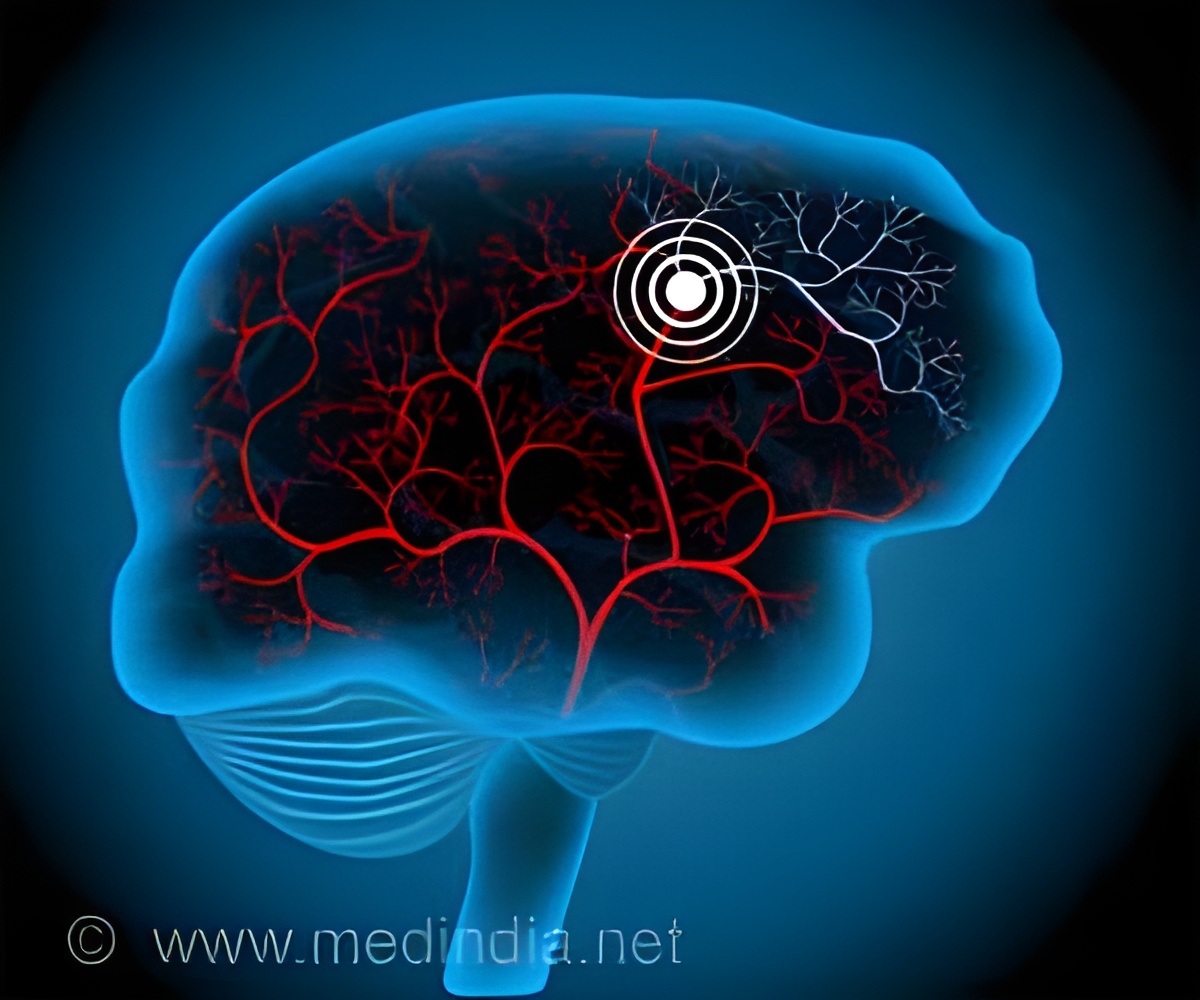
Inhibition of GAPDH aggregation as a potential treatment for acute ischemic stroke
Go to source).
How to Deal with a Stroke - Signs - Symptoms - Risk Factors - Prevention
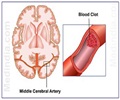
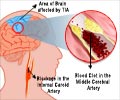
Stroke is a brain attack, which occurs when the blood supply to the brain is interrupted. It affects all age groups; according to the WHO, 15 million people are affected by stroke annually.
Stroke is a brain attack, which occurs when the blood supply to the brain is interrupted. It affects all age groups; according to the WHO, 15 million people are affected by stroke annually.
TOP INSIGHT

Did You Know?
One protein, one solution—GAI-17 may stop brain damage even 6 hours after a stroke.
#medindia #strokealert #brainhealth #neurologynews #alzheimershope
The Silent Killer- What Makes Stroke So Dangerous?
Stroke is the world’s second biggest killer, and its damage happens fast—especially to neurons, the brain’s communication cells. Most of this damage is caused by something called oxidative and nitrosative stress, which occurs when oxygen suddenly rushes back into the brain after being blocked. This stress leads to brain cell death, making fast and effective treatment absolutely critical.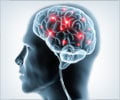
Stroke Risk Calculator
Stroke Risk Calculator checks if you have hypertension, diabetes and heart failure and predicts the risk of stroke (cerebrovascular accident) in next 10 years.
Stroke Risk Calculator checks if you have hypertension, diabetes and heart failure and predicts the risk of stroke (cerebrovascular accident) in next 10 years.
GAPDH- A Protein With a Dark Side
While it’s known for helping cells with energy, the protein (GAPDH) Glyceraldehyde-3-Phosphate Dehydrogenase takes a dangerous turn during stress. When exposed to oxidative damage, a specific part of GAPDH (Cys-152) changes form and causes the protein to clump together. This clumping damages the brain’s powerhouses—the mitochondria—which eventually leads to cell death. Understanding this process opened the door to an entirely new kind of therapy.
Yoga Improves Stroke Recovery in Patients
Yoga has been found to improve recovery in stroke patients.
Yoga has been found to improve recovery in stroke patients.
GAI-17: A Game-Changer in Stroke Therapy
In a major breakthrough, researchers developed GAI-17, a GAPDH aggregation inhibitor. In mice with stroke, this drug drastically reduced brain damage and Paralysis, even when given six hours after stroke onset—a wide window compared to current treatments. Even more impressive, it showed no major side effects, making it a strong candidate for future human use.
Watch Out: One Indian Dies Every 4 Minutes due to Stroke
Is stroke common in India? Yes, a stroke kills one Indian every 4 minutes. Therefore, telemedicine in stroke treatment could save lives.
Is stroke common in India? Yes, a stroke kills one Indian every 4 minutes. Therefore, telemedicine in stroke treatment could save lives.
Smart Science: Blocking the Damage at Its Source
To go deeper, scientists created a special version of GAPDH—the C152A mutant—that blocks harmful clumping. Mice genetically engineered to express this version showed less brain damage and fewer neurological problems after stroke. It confirms that targeting GAPDH is more than theory—it’s a real, science-backed path to recovery.Hope Beyond Stroke: A Future for Many Brain Diseases
Professor Nakajima and his team believe that GAI-17 could treat multiple brain conditions, not just stroke. Since GAPDH is also involved in diseases like Alzheimer’s, this new drug might become a one-solution-for-many kind of treatment. The research brings us one step closer to a world where neurological damage isn’t a life sentence—but a challenge science can overcome.Reference:
- Inhibition of GAPDH aggregation as a potential treatment for acute ischemic stroke - (https://www.cell.com/iscience/fulltext/S2589-0042(25)00825-9?_returnURL=https%3A%2F%2Flinkinghub.elsevier.com%2Fretrieve%2Fpii%2FS2589004225008259%3Fshowall%3Dtrue )
Source-Osaka Metropolitan University
 Email
Email