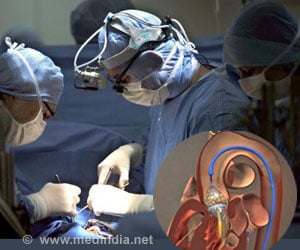
Patients with Alzheimer's disease can now be offered disease-modifying therapy using whole blood exchange as it has been proven effective in mice.
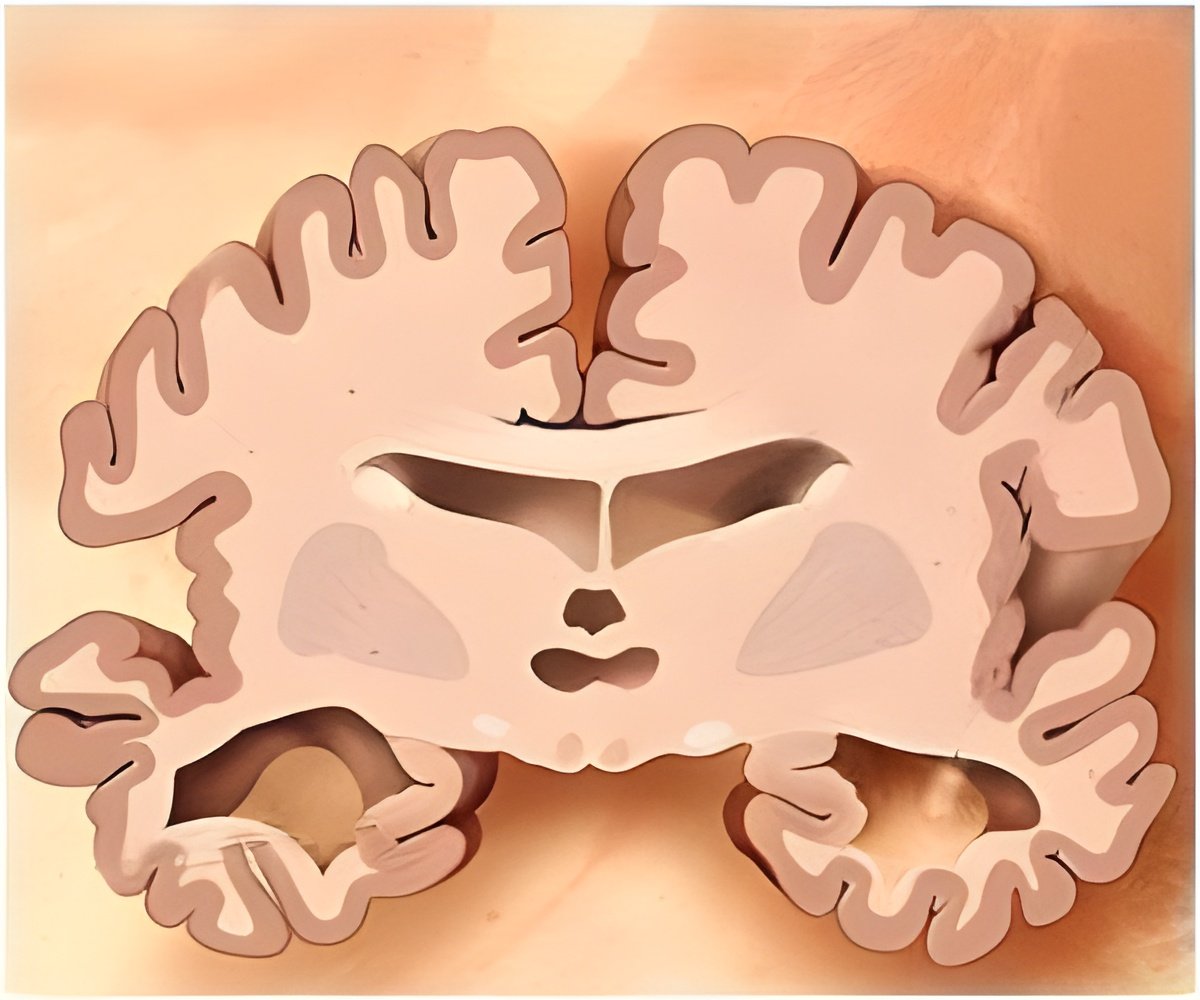
‘The development of cerebral amyloid plaques in a transgenic mice model of Alzheimer’s disease was reduced by 40% to 80%.’





“This article provides a proof-of-concept for the utilization of technologies commonly used in medical practice, such as plasmapheresis or blood dialysis, to ‘clean’ blood from Alzheimer’s patients, reducing the buildup of toxic substances in the brain,” said Soto, director of the George and Cynthia Mitchell Center for Alzheimer’s Disease and Related Brain Disorders and the Huffington Foundation Distinguished Chair in Neurology at McGovern Medical School. “This approach has the advantage that the disease can be treated in the circulation instead of in the brain.” Treatment of Alzheimer’s Disease Using Amyloid Plaques
Previous studies by Soto and other UTHealth Houston researchers have shown that the misfolding, aggregation and buildup of amyloid beta proteins in the brain play a central role in Alzheimer’s disease. Therefore, preventing and removing misfolded protein aggregates is considered a promising treatment for the disease.However, Alzheimer’s disease treatment has long been complicated, due to the difficulty in delivering therapeutic agents across the blood-brain barrier. Through their latest research, Urayama, Soto, and others discovered that manipulating circulating components in Alzheimer’s disease could be the key to solving this issue.
“Blood vessels in the brain are classically considered the most impermeable barrier in the body,” Urayama said. “We have been aware that the barrier is at the same time a very specialized interface between the brain and the systemic circulation.”
After multiple blood transfusions, the researchers found that the development of cerebral amyloid plaques in a transgenic mice model of Alzheimer’s disease was reduced by 40% to 80%. This reduction also resulted in improved spatial memory performance in aged mice with the amyloid pathology and lowered the rates of plaque growth over time.
While the exact mechanism by which this blood exchange reduces amyloid pathology and improves memory is currently unknown, there are multiple possibilities. One possible explanation is that lowering amyloid beta proteins in the bloodstream may help facilitate the redistribution of the peptide from the brain to the periphery. Another theory is that blood exchange somehow prevents amyloid beta influx, or inhibits the re-uptake of cleared amyloid beta, among other potential explanations.
Advertisement
Other co-authors affiliated with the Mitchell Center included Ines Moreno-Gonzalez, PhD; Diego Morales-Scheihing, PhD; and Sandra Pritzkow, PhD. Vineetkumar Kaharat, BSc, a former student at UTHealth School of Public Health, also contributed. Soto and Urayama are also faculty members with The University of Texas MD Anderson Cancer Center UTHealth Houston Graduate School of Biomedical Sciences.
Advertisement
Source-Eurekalert