MEDINDIA
 English
 हिन्दी
 Español
 français
 中文
中文
The device helps patients get oxygen into their blood by transporting blood to a gas exchanger that removes carbon dioxide and oxygenates the blood before returning it to the heart
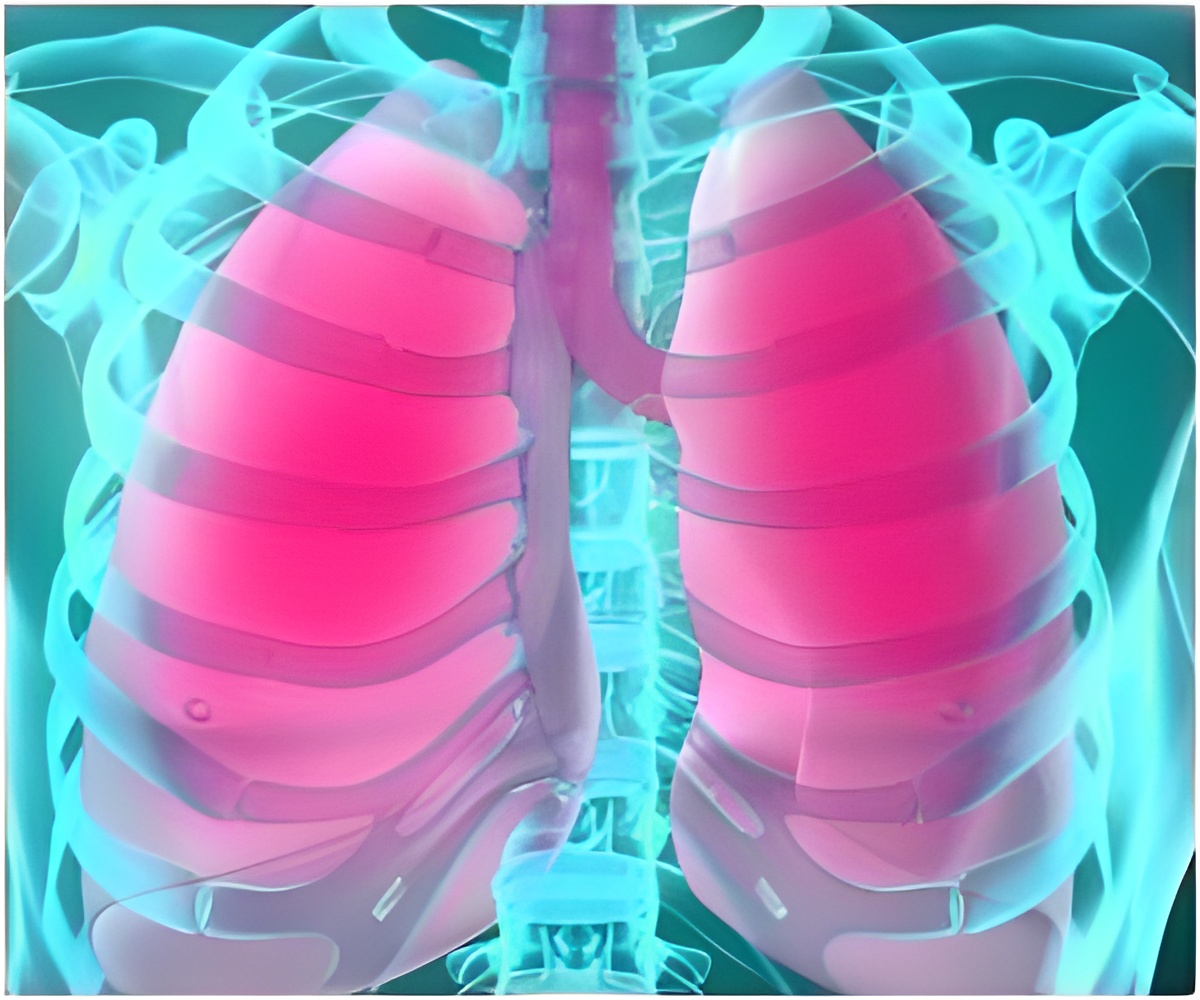

New Machine may Contribute to More Lung Transplants
A new machine developed by the Sahlgrenska University Hospital researchers may contribute to more lung transplants in the long term.
A new machine developed by the Sahlgrenska University Hospital researchers may contribute to more lung transplants in the long term.
Zwischenberger's goal was to allow patients to do normal things, even exercise, while using the device.That goal was achieved on April 8, when Dr. Charles Hoopes, director of the UK Heart and Lung Transplant Program and the Ventricular Assist Device Program, performed surgery on Ernie Gillispie, of Canada, Ky., to allow the use of this artificial lung and double lumen catheter.
With the assistance of the device, Gillispie proved himself to be a candidate for a lung transplant; without it he would not have been strong enough for the surgery, Zwischenberger said.
Lung Transplant Surgery for Irish Woman Suffering from Multi-Resistant Aspergillus
A 20-year old Irish woman became the first patient to receive a lung transplant after suffering from multi-resistant Aspergillus and multiple fungal balls in her own lungs.
A 20-year old Irish woman became the first patient to receive a lung transplant after suffering from multi-resistant Aspergillus and multiple fungal balls in her own lungs.
Hoopes says the machine proved that if Gillispie's lungs worked properly, he could live a normal life.
Lung Transplant Successfully Performed on Four-year-old UK Boy
Meet Mason Lewis, a four year old boy and the youngest person in The United Kingdom to undergo a successful lung transplant.
Meet Mason Lewis, a four year old boy and the youngest person in The United Kingdom to undergo a successful lung transplant.
After only three days using the artificial lung, Gillispie underwent a successful double-lung transplant surgery on April 11.
New Era in Lung Transplantation
Toronto XVIV0 Lung Perfusion System can safely and effectively improve the function of high-risk donor lungs so that they can be successfully transplanted into patients.
Toronto XVIV0 Lung Perfusion System can safely and effectively improve the function of high-risk donor lungs so that they can be successfully transplanted into patients.
Source-Eurekalert
 Email
Email