MEDINDIA
 English
 हिन्दी
 Español
 français
 中文
中文
Testing for molecular markers in the urine of kidney transplant patients could reveal whether the transplant is failing and why.
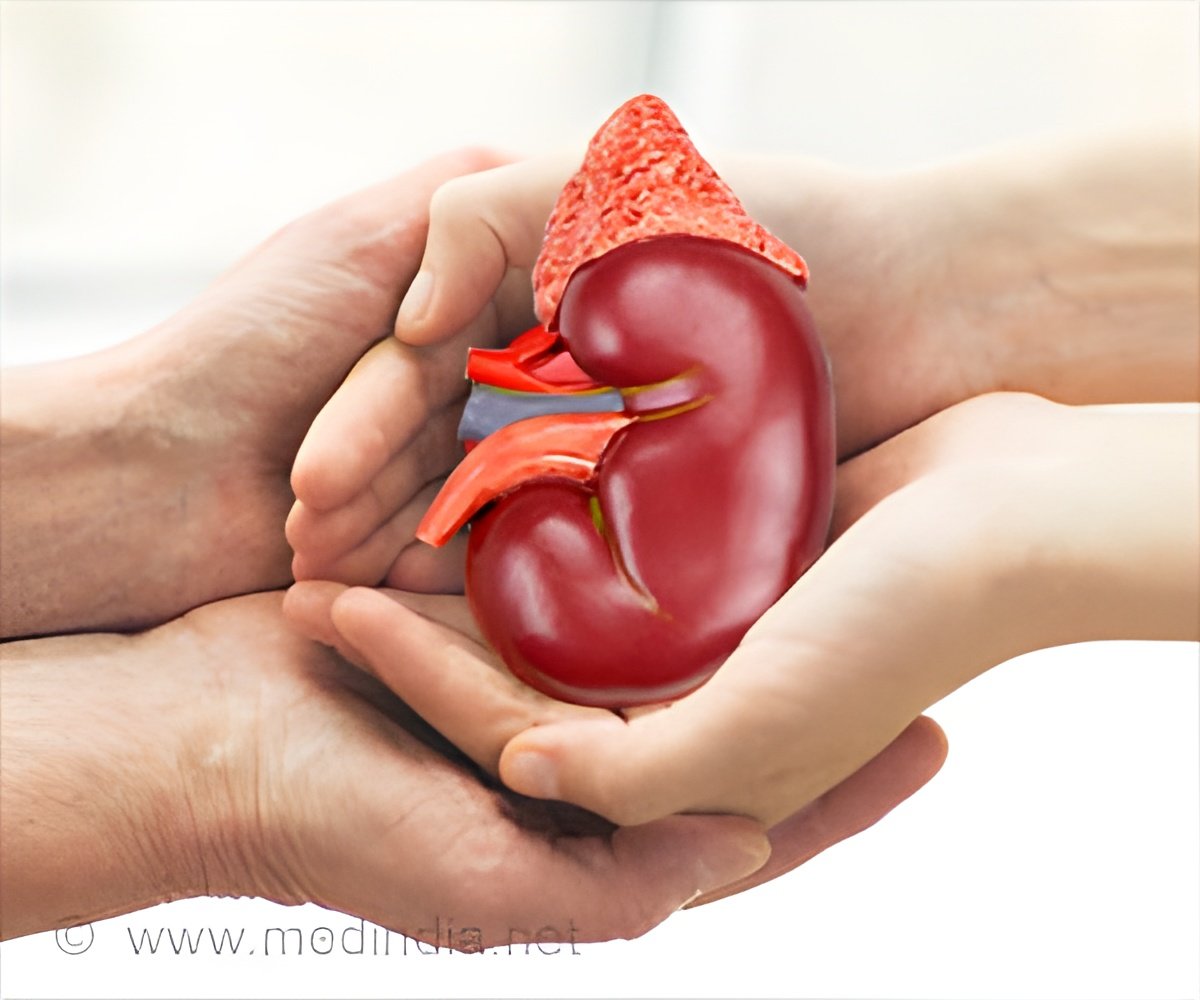

Kidney Transplant Success Rates Improves in Kids, Infants
Journal of the American College of Surgeons study reports single-center pediatric kidney transplant results over 53 years.
Journal of the American College of Surgeons study reports single-center pediatric kidney transplant results over 53 years.
TOP INSIGHT

Transplants are life-saving for patients with end-stage kidney disease but around 25 percent fail within five years.
If treatment is insufficient, the organ can be destroyed by the immune system. On the other hand, too much suppression can allow an infection to take hold. Often by the time we know which is happening, it’s too late to save the organ." The study focused on a virus called BK. The BK virus causes a common infection which most people experience during childhood mainly with no symptoms.
However, when transplant patients are given immune suppressing drugs, the virus can reactivate, infecting and destroying the new kidney. This usually happens within two years of the transplant. The research was a pilot study in four Spanish hospitals involving 30 kidney transplant patients. Ten of the patients had been diagnosed with T-cell mediated acute rejection (TCMR), meaning the kidney was being rejected.

First Dual Live-Donor Liver and Kidney Transplant Surgery in a Toddler
Baby Parvathy, who was first diagnosed with a chronic kidney problem, had to undergo a combined liver and kidney transplantation.
Baby Parvathy, who was first diagnosed with a chronic kidney problem, had to undergo a combined liver and kidney transplantation.
When they looked more closely at the human proteins, the researchers also found that they could use the levels of those proteins to differentiate between patients who had TCMR, BK virus nephropathy or a stable graft. Los-Arcos told the congress: "If we can confirm these results in a prospective validated cohort of patients, we may be able to develop a urine test to indicate when a kidney transplant is failing, and at a much earlier stage. More importantly, it would be able to differentiate whether it is failing because of the BK virus or because of organ rejection. If that’s the case, we will be able to choose the correct treatment to address the problem and hopefully have more successful kidney transplantations.
Promise for People Undergoing Cancer Therapy Who Have also Had a Kidney Transplant
A novel drug combination allows cancer therapies called immune checkpoint inhibitors to be incorporated into a transplant patient's cancer treatment regimen.
A novel drug combination allows cancer therapies called immune checkpoint inhibitors to be incorporated into a transplant patient's cancer treatment regimen.

Sushma Swaraj Undergoes Kidney Transplant at AIIMS
External Affairs Minister Sushma Swaraj undergoes kidney transplant. The procedure will be performed by AIIMS Director and prominent surgeons of the country.
External Affairs Minister Sushma Swaraj undergoes kidney transplant. The procedure will be performed by AIIMS Director and prominent surgeons of the country.
 Email
Email