MEDINDIA
 English
 हिन्दी
 Español
 français
 中文
中文
Automated insulin delivery systems are proven safe and effective for older adults with type 1 diabetes, debunking myths about their difficulty in using advanced technology.
Automated Insulin Delivery in Older Adults with Type 1 Diabetes
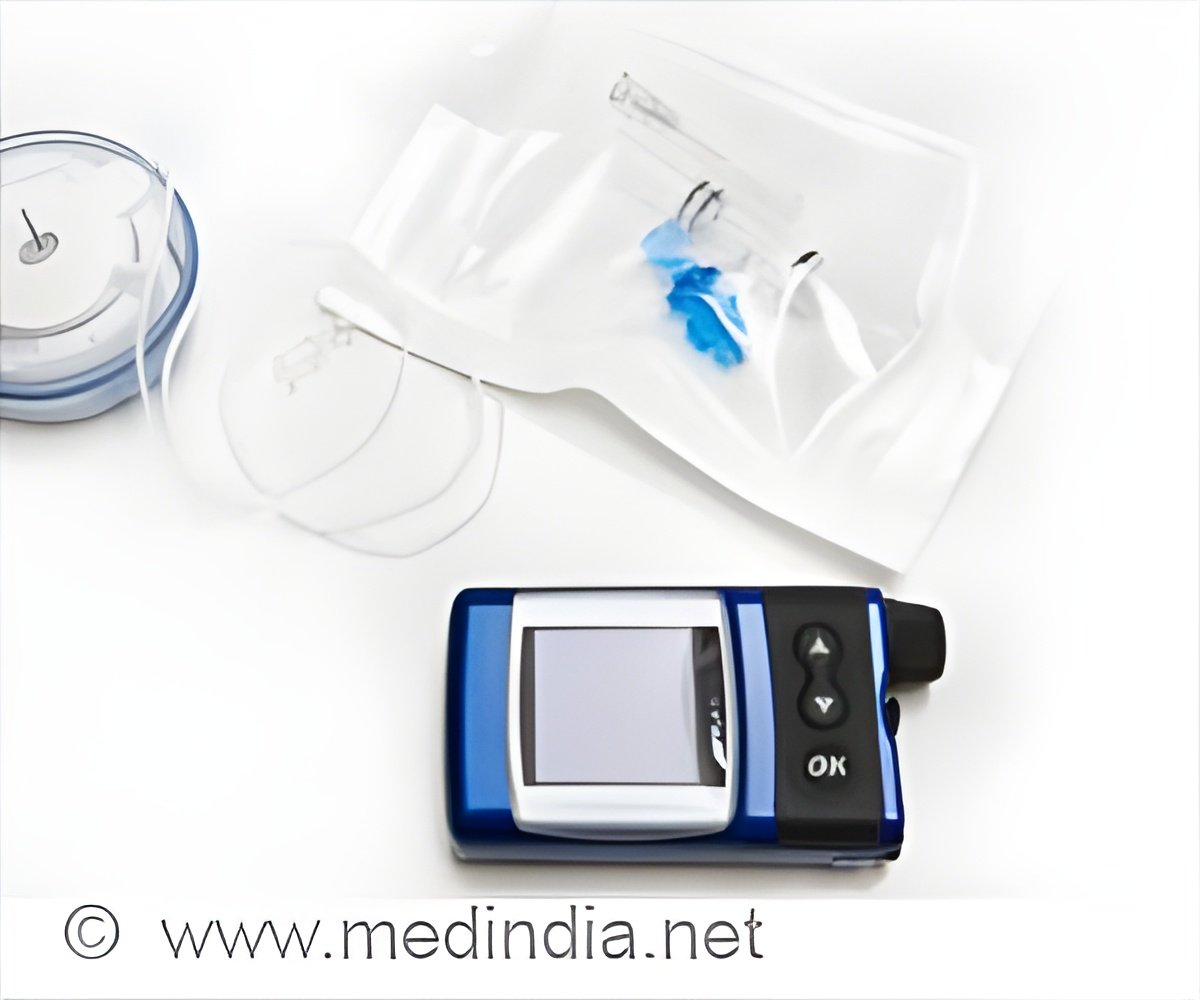
Go to source). In an AID system, a sensor attached to the arm or belly continuously monitors blood sugar levels and communicates that data to a wearable insulin pump, which then automatically adjusts insulin dosing without the wearer having to input instructions or inject the insulin themselves. Some models connect wirelessly to smartphones, providing the wearer with detailed and real-time data about their blood sugar control.

Automated Insulin Delivery Improves Type-1 Diabetes Management During Pregnancy
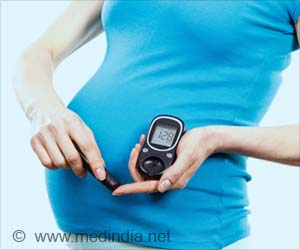
Pregnant women with type 1 diabetes can regulate their blood sugar levels with a hybrid closed-loop technology, reducing health risks for mother and child.
Pregnant women with type 1 diabetes can regulate their blood sugar levels with a hybrid closed-loop technology, reducing health risks for mother and child.
TOP INSIGHT

Did You Know?
By 2045, The International Diabetes Federation projections show that 1 in 8 adults, approximately 783 million, will be living with diabetes, an increase of 46%. #medindia #diabetes #adults
The study, published in NEJM Evidence, closes a knowledge gap about who can benefit from the breakthrough technology for diabetes management. Now the preferred treatment option for type 1 diabetes, automated insulin delivery improves glucose control and reduces the burden of managing a lifelong condition for both children and adults.
Largest Clinical Trial for Older Adults with Type 1 Diabetes
This study is the largest clinical trial to enroll older adults with type 1 diabetes, a group underrepresented in previous trials for AID devices. The trial focused on uniquely relevant factors for older adults, such as technology usability and preventing hypoglycemia, a particular concern in older adults since it raises the risk of cognitive decline and complications such as falls.
How to Detect Low Blood Sugar in Older Adults with Diabetes and Alzheimer's Disease
Redesigning diabetes technology could pave the way for detecting low blood sugar (hypoglycemia) in older adults with diabetes and Alzheimer's disease.
Redesigning diabetes technology could pave the way for detecting low blood sugar (hypoglycemia) in older adults with diabetes and Alzheimer's disease.
Effectiveness of Automated Systems in Blood Sugar Control
Results showed that the two automated systems significantly reduced the time participants spent with dangerously low blood sugar compared to the non-automated system. The hybrid closed loop system proved most effective at keeping blood sugar in the target range, with a mean time in range of 74% compared to 67% for the predictive low glucose system and 66% for the sensor-augmented pump.
Smart Wearables can Monitor Blood Sugar Levels
Google-owned Fitbit wearable can help track and monitor blood sugar levels, especially in people who are more active.
Google-owned Fitbit wearable can help track and monitor blood sugar levels, especially in people who are more active.
“Onboarding took more time and effort in this population than it would in younger populations, so it’s important for providers to understand that it may take some upfront work to get people really comfortable with the technology,” Chaytor said. “Providers should plan for that but not be discouraged.”

New Artificial Pancreas can Help Your Child with Diabetes: Here's How
Good news to children with diabetes: New artificial pancreas can help improve blood sugar control in kids.
Good news to children with diabetes: New artificial pancreas can help improve blood sugar control in kids.
Reference:
- Automated Insulin Delivery in Older Adults with Type 1 Diabetes - (https://evidence.nejm.org/doi/10.1056/EVIDoa2400200)
Source-Eurekalert
 Email
Email