MEDINDIA
 English
 हिन्दी
 Español
 français
 中文
中文
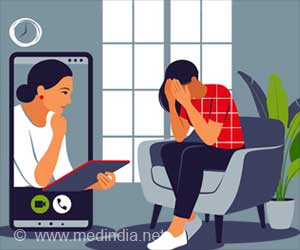
A new scientific paper suggests that cognitive behavioral therapy for post traumatic stress disorder (PTSD) not only reduces symptoms but also affects the underlying biology of this disorder.


Post Traumatic Stress Disorder (PTSD) - Causes, Symptoms, Risk Factors, Complications, Dignosis, Treatment
Post Traumatic Stress Disorder (PTSD), is a mental condition triggered by a traumatic event. PTSD treatment includes pyschotherapy, behavior therapy and medications.
Post Traumatic Stress Disorder (PTSD), is a mental condition triggered by a traumatic event. PTSD treatment includes pyschotherapy, behavior therapy and medications.
Before therapy, compared with the control group, patients had lower FKBP5 gene expression and smaller hippocampal and medial orbitofrontal cortex volumes, important brain regions involved in learning, memory, and emotion regulation.
At the follow-up appointment 12 weeks later, the PTSD patients showed higher expression of FKBP5 and increased hippocampal volume. More importantly, these changes were directly associated with clinical improvement among the patients. The increased FKBP5 expression, and to a lesser degree the increased hippocampal volume, actually predicted improvement in their PTSD symptoms.

Expert Talks on Post Traumatic Stress Disorder (PTSD)- David Kinchin
David Kinchin, author and expert on PTSD sheds light on the invisible injury that continues to haunt many who have experienced a significant traumatic event.
David Kinchin, author and expert on PTSD sheds light on the invisible injury that continues to haunt many who have experienced a significant traumatic event.
"This study helps to link the alleviation of PTSD symptoms to improvement in stress-related alterations in the body and brain," said Dr. John Krystal, Editor of Biological Psychiatry.
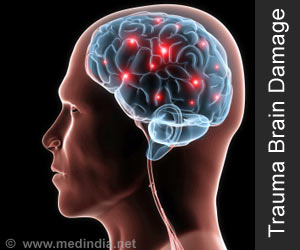
Chronic Trauma Can Cause Long-Term Brain Damage
Research shows that victims of post traumatic stress disorder (PTSD) experience stress and trauma even when they are not facing any imminent threat or danger.
Research shows that victims of post traumatic stress disorder (PTSD) experience stress and trauma even when they are not facing any imminent threat or danger.

Depression Screening Test
Online Depression Screening Test tells if you have mild or chronic depression based on your depression symptoms. Learn how to deal with depression by using this self-assessment calculator.
Online Depression Screening Test tells if you have mild or chronic depression based on your depression symptoms. Learn how to deal with depression by using this self-assessment calculator.
 Email
Email