MEDINDIA
 English
 हिन्दी
 Español
 français
 中文
中文
Helping impoverished Haiti end a devastating cholera outbreak is the moral responsibility of the United Nations as the blame is on UN peacekeepers, Secretary-General Ban Ki-moon says.

Cholera - Causes - Pathogenicity - Symptoms - Diagnosis - Treatment - Prevention - FAQs
Cholera is an infection of the small intestine and is caused by the bacterium Vibrio cholerae.
Cholera is an infection of the small intestine and is caused by the bacterium Vibrio cholerae.
The source of the cholera epidemic was traced to a river that runs next to a UN camp in the central town of Mirebalais, where Nepalese troops had been based.
The strain of cholera is the same as one endemic in Nepal.
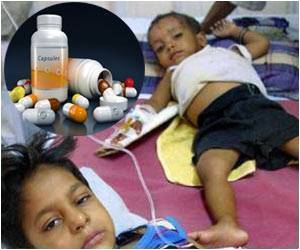
Containing Cholera: An Interview
Cholera, as we know, is an infectious disease caused by the bacterium Vibrio cholerae. The mode of transmission of the disease is by consuming contaminated water.
Cholera, as we know, is an infectious disease caused by the bacterium Vibrio cholerae. The mode of transmission of the disease is by consuming contaminated water.
"I believe that the international community, including the United Nations, has a moral responsibility to help the Haitian people stem the further spread of this cholera epidemic."

Research Finds YbeY is Essential for Fitness and Virulence of V. Cholerae
The function of YbeY in the cholera bacterium is examined in a new study published on June 5th in PLOS Pathogens.
The function of YbeY in the cholera bacterium is examined in a new study published on June 5th in PLOS Pathogens.
"The diplomatic difficulties surrounding this issue must be overcome to ensure the Haitian people that the epidemic can be stopped in the shortest possible time frame and pay full compensation for the damages suffered," the UN’s human rights expert on Haiti Gustavo Gallon said.

Quiz on Cholera
Cholera is an acute diarrheal disease that spreads as an epidemic and claims around one hundred thousand lives every year. Here’s a quiz that tests how much you know about cholera!
Cholera is an acute diarrheal disease that spreads as an epidemic and claims around one hundred thousand lives every year. Here’s a quiz that tests how much you know about cholera!
He said Haiti must address the root causes of cholera -- poor sanitation -- to prevent another epidemic.
"The international community has been struggling to overcome this global financial difficulty, and we have so many crises happening at the same time around the world," said Ban. "That is one reason why we have not been able to effectively mobilize."
In Haiti, Ban will travel to the Centre Department to launch a "total sanitation campaign" with Prime Minister Laurent Lamothe, in an effort to improve sanitation and hygiene in rural areas.
Ban will then meet with President Michel Martelly and lawmakers in the capital Port-au-Prince, as well as meet with leaders from the UN mission MINUSTAH, according to the UN chief’s office.
Source-AFP
 Email
Email