MEDINDIA
 English
 हिन्दी
 Español
 français
 中文
中文
Bone marrow transplantation with genetically modified cells may prolong the period of cancer-free survival, suggests a study.

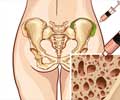
Bone Marrow Transplantation - Types - Procedure - Indications - Complications
Preferred Term is Hematopoietic stem cell transplantation. In this stem cell from bone marrow are injected into a recipient after treating them with growth factor.
Preferred Term is Hematopoietic stem cell transplantation. In this stem cell from bone marrow are injected into a recipient after treating them with growth factor.
After transplantation, the researchers discovered the expression of cancer-killer SAC-GFP activity in bone marrow cells of the recipient mice, implying the successful transfer and colonization of the anti-cancer tissue from the donors. In addition, soluble Par-4 or SAC protein injected into mice inhibited the growth of metastatic tumors.
Rangnekar, the Alfred Cohen Endowed Chair of Oncology Research at Markey, says the study shows promise for treating both primary and metastatic tumors.


Cancer Key Facts and Statistics
Cancer is an abnormal cell growth and it can destroy other body tissues. 1 in 6 deaths that occur in the world is due to cancer. Here are some key facts and statistics about cancer
Cancer is an abnormal cell growth and it can destroy other body tissues. 1 in 6 deaths that occur in the world is due to cancer. Here are some key facts and statistics about cancer
 Email
Email