MEDINDIA
 English
 हिन्दी
 Español
 français
 中文
中文
A new method developed by scientists uses current antibiotics to eliminate or reduce the development of antibiotic-resistant bacteria.
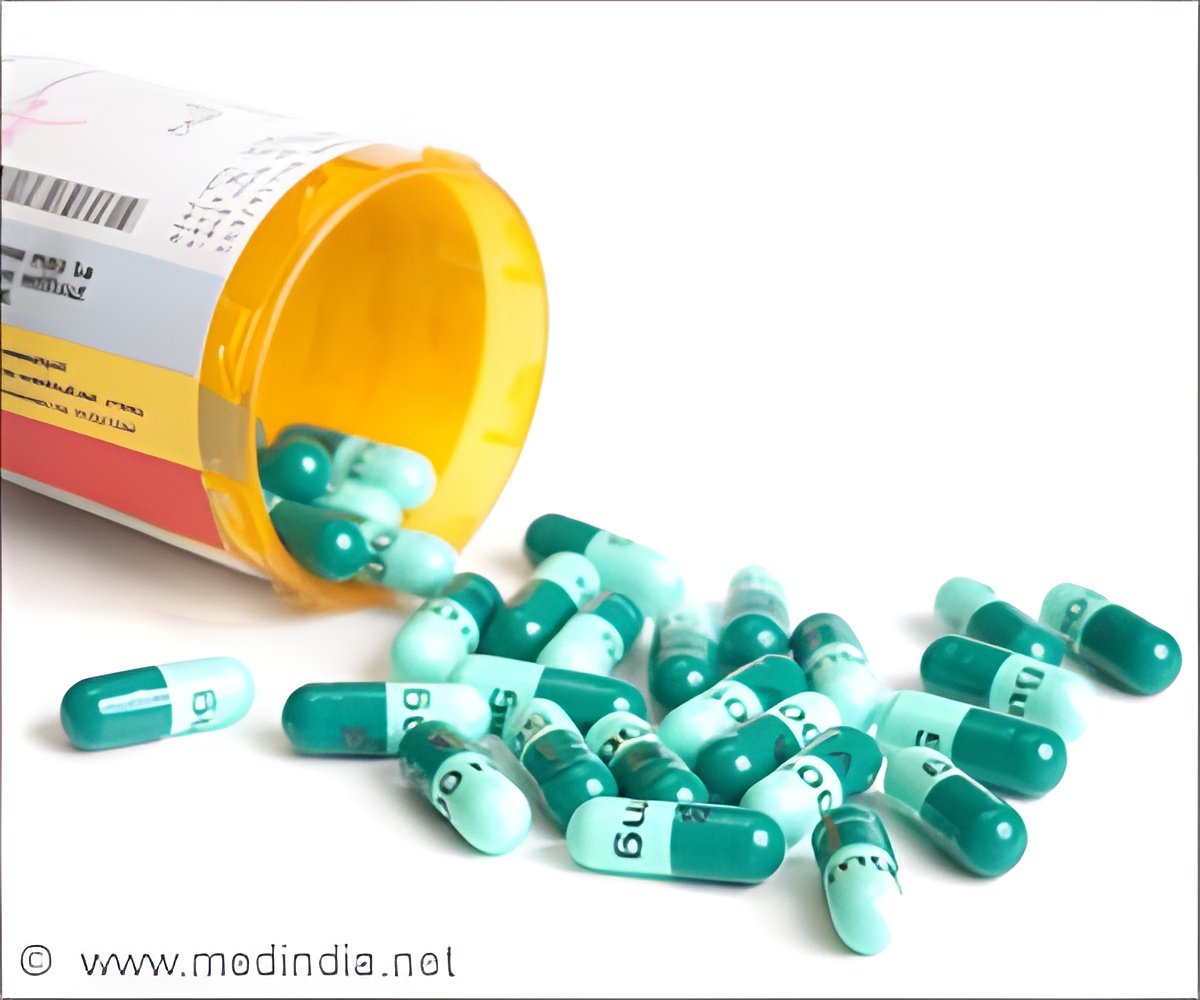

Antibiotics - Use and Abuse
Antibiotics are among the most used and abused medications. This article explains some general features about antibiotics.
Antibiotics are among the most used and abused medications. This article explains some general features about antibiotics.
They discovered that approximately 70 percent of different sequences of 2 to 4 antibiotics lead to resistance to the final drug.
"Our results suggest that, through careful ordering of antibiotics, we may be able to steer evolution to a dead end from which resistance cannot emerge," said lead author Daniel Nichol from Moffitt.

Drug Resistance – Antibiotic or Antimicrobial Resistance
Drug resistance is often a problem in malaria, tuberculosis, HIV, sexually transmitted diseases and hospital acquired diseases. Judicious use of antibiotics can control the problem.
Drug resistance is often a problem in malaria, tuberculosis, HIV, sexually transmitted diseases and hospital acquired diseases. Judicious use of antibiotics can control the problem.
However, given the high number of antibiotics in existence, it would be extremely difficult to experimentally identify the best combination or sequence of drugs.

Quiz on Antibiotics
Your doctor may suggest antibiotics at the first sight of an infection, but how much do you really know about these wonder drugs? Test yourself.
Your doctor may suggest antibiotics at the first sight of an infection, but how much do you really know about these wonder drugs? Test yourself.
"Our results can be easily tested in the laboratory, and if validated could be used in clinical trials immediately, as all of the compounds we studied are FDA-approved and commonly prescribed," said senior study author Jacob G. Scott.

Indian Scientists Discovery can Help Develop New Antibiotics
Scientists have also developed a smart polymer base biocompatible nano particles carrying a formulation to treat fungal keratitis, a major eye problem that affects farmers.
Scientists have also developed a smart polymer base biocompatible nano particles carrying a formulation to treat fungal keratitis, a major eye problem that affects farmers.
The problem is being exacerbated by overuse of antibiotics for livestock and also in community clinical practice.
Source-IANS
 Email
Email