MEDINDIA
 English
 हिन्दी
 Español
 français
 中文
中文
Cholesterol constitutes a natural ingredient in the thin surfactant that covers the inside of our lungs, but it is almost completely absent from the clinical preparations.
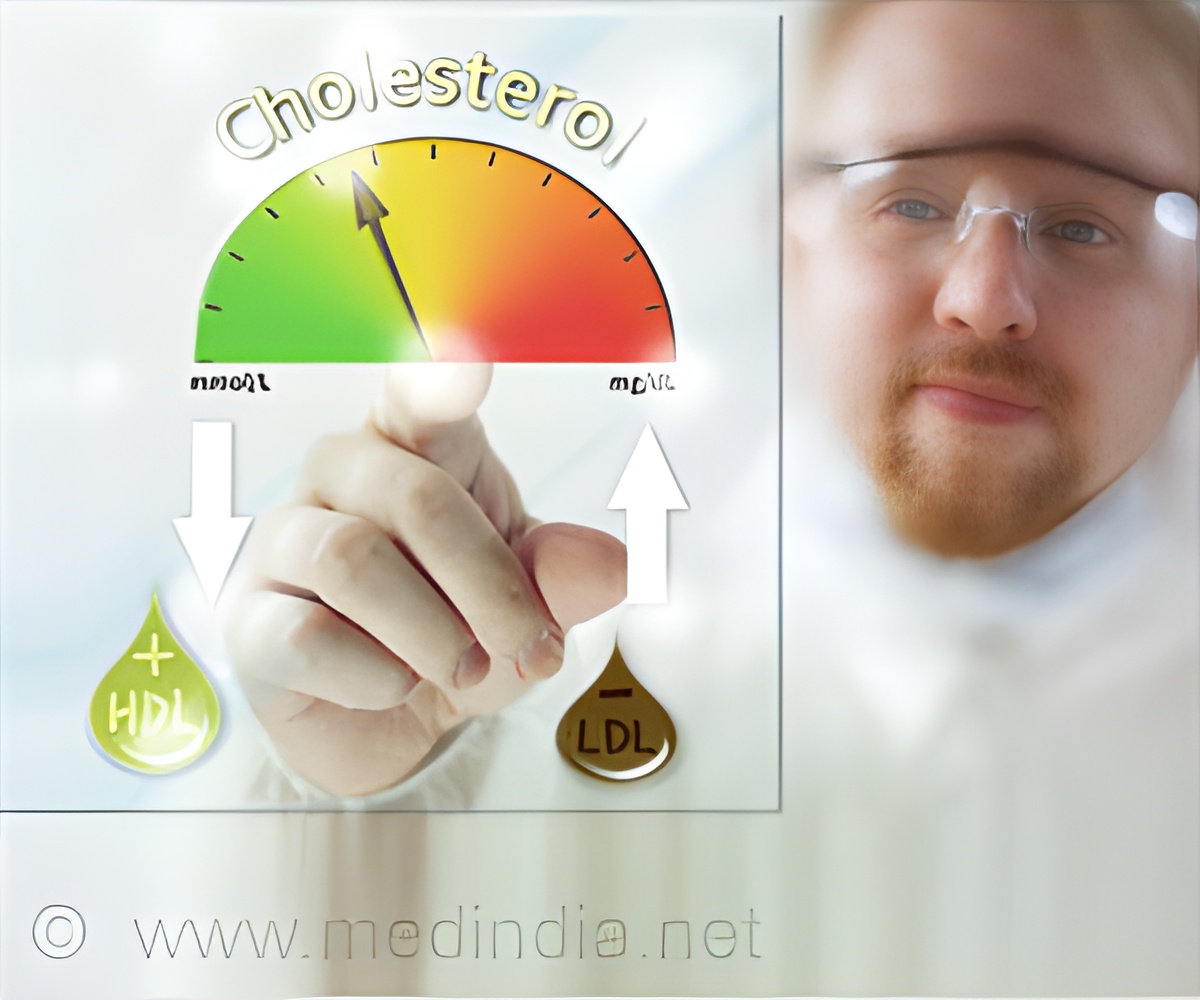

A Muffin That can Lower Your Cholesterol Levels
Finding it hard to take cholesterol-lowering medications? Take heart, now lowering cholesterol may be as easy as munching a muffin.
Finding it hard to take cholesterol-lowering medications? Take heart, now lowering cholesterol may be as easy as munching a muffin.
TOP INSIGHT

Cholesterol is found in every cell of the body and has important natural functions when it comes to digesting foods, producing hormones, and generating vitamin D.
This film, known as surfactant, also affects the transport of various molecules between the air and the body's blood vessels.
"Our study addresses the effect of cholesterol on the surface of the alveoli. We have obtained astonishingly clear results", says Emma Sparr, professor of chemistry at Lund University.
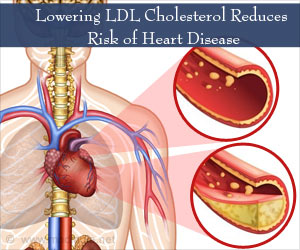
High Cholesterol Levels Associated With Rotator Cuff Surgery Failure
Patients taking statins prior to or after surgery did not have higher rates of revision surgery, even if their cholesterol levels were high.
Patients taking statins prior to or after surgery did not have higher rates of revision surgery, even if their cholesterol levels were high.
"In very premature babies, the film on the surface of the alveoli has not had time to develop completely. Although we administer surfactant drugs, usually extracted from pig's lungs, to good effect in the acute phase, we still see pronounced long-term damage to the lungs of these extreme premature babies", says Marcus Larsson, a physician and researcher at Lund University's Faculty of Medicine.
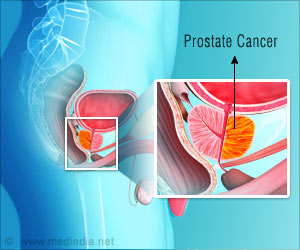
How Prostate Cancer Grows With Malfunction of Cholesterol Control in Cells
Advanced prostate cancer and high blood cholesterol have long been known to be connected, but it has been a chicken-or-egg problem.
Advanced prostate cancer and high blood cholesterol have long been known to be connected, but it has been a chicken-or-egg problem.
"This difference in the molecular structure of the film could be very significant to its function; both the transport of substances and the mechanical properties could be influenced by this", says Emma Sparr.

Statin Side Effects are Strongest Predictors of Failure to Meet Cholesterol Targets
European guidelines recommend a blood LDL cholesterol goal of less than 1.8 mmol/l but just one in five cardiac patients taking lipid-lowering drugs achieve this.
European guidelines recommend a blood LDL cholesterol goal of less than 1.8 mmol/l but just one in five cardiac patients taking lipid-lowering drugs achieve this.
"The effect of cholesterol on the surface of the alveoli is very clear and could eventually be included in the clinical preparations, which makes good sense as our own bodily surfactant contains this substance in quite significant levels", says Marcus Larsson.
Source-Eurekalert
 Email
Email