MEDINDIA
 English
 हिन्दी
 Español
 français
 中文
中文
Patients taking statins prior to or after surgery did not have higher rates of revision surgery, even if their cholesterol levels were high.
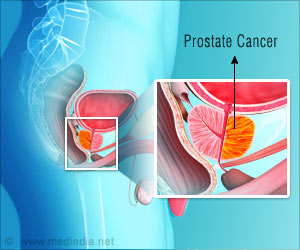
How Prostate Cancer Grows With Malfunction of Cholesterol Control in Cells
Advanced prostate cancer and high blood cholesterol have long been known to be connected, but it has been a chicken-or-egg problem.
Advanced prostate cancer and high blood cholesterol have long been known to be connected, but it has been a chicken-or-egg problem.
TOP INSIGHT

Among the patients with moderate or high cholesterol, those who were not taking statins before or after surgery had significantly higher rates of revision surgery.
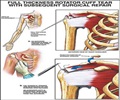
Approximately 200,000 Americans undergo rotator cuff surgery, the repair of the primary tendons and muscles in the shoulder, each year.
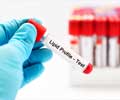
In the study, researchers reviewed a private insurer patient database of nearly 31,000 patients undergoing arthroscopic rotator cuff repair from 2007 to 2014. Patients were divided into normal, moderate and high cholesterol groups, based on their total cholesterol levels (the measure of low-density lipoprotein [LDL], also known as "bad" cholesterol, and high-density lipoprotein [HDL], or "good cholesterol"), LDL levels alone, and triglycerides, another form of fat in the blood that increases the risk of heart disease. The patient groups were further analyzed based on whether or not they took statins before and after surgery.

Statin Side Effects are Strongest Predictors of Failure to Meet Cholesterol Targets
European guidelines recommend a blood LDL cholesterol goal of less than 1.8 mmol/l but just one in five cardiac patients taking lipid-lowering drugs achieve this.
European guidelines recommend a blood LDL cholesterol goal of less than 1.8 mmol/l but just one in five cardiac patients taking lipid-lowering drugs achieve this.
The rate of revision rotator cuff surgery was significantly increased in patients with moderate or high total cholesterol and LDL levels compared to patients with normal levels.

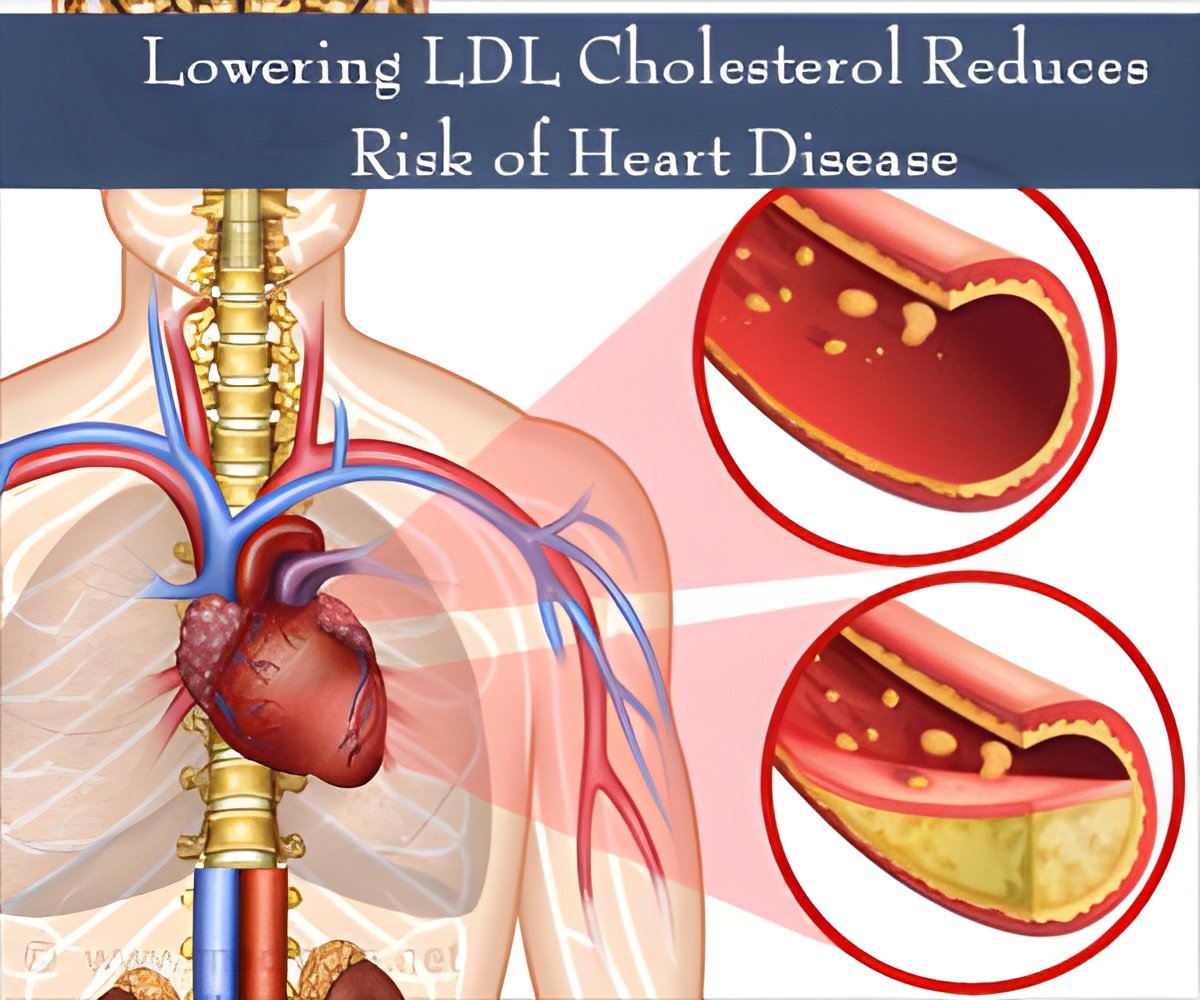
Low Levels of Bad Cholesterol tolerated in Heart Disease Patients
Some patients need to reduce their LDL cholesterol than what they are able to achieve with a maximally tolerated statin or other lipid-lowering therapies.
Some patients need to reduce their LDL cholesterol than what they are able to achieve with a maximally tolerated statin or other lipid-lowering therapies.
Patients taking statins prior to or after surgery did not have higher rates of revision surgery, even if their cholesterol levels were high.

Understanding the Role of Cholesterol in Cells
A path-breaking optical imaging technique to pinpoint cholesterol's location and movement within the membrane has been used by researchers.
A path-breaking optical imaging technique to pinpoint cholesterol's location and movement within the membrane has been used by researchers.
"Additional study of the association between statins and rotator cuff surgical outcomes is encouraged to determine if improved cholesterol control can improve clinical outcomes following arthroscopic rotator cuff repair," said Dr. Werner.
Source-Eurekalert
 Email
Email