MEDINDIA
 English
 हिन्दी
 Español
 français
 中文
中文
Hygienic funeral practices, case isolation, contact tracing with quarantines and better protection for health care workers would be best way to stop spread of Ebola in West Africa.
Ebola Virus Disease | Ebola Hemorrhagic Fever: Cause Symptoms Diagnosis Treatment
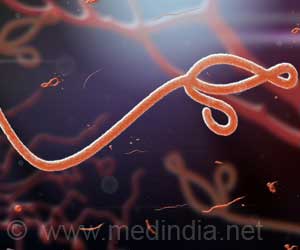
Ebola is caused by a virus via direct contact with body fluids or infected blood. Scientists have identified five types of Ebola or Ebola hemorrhagic fever virus.
Ebola is caused by a virus via direct contact with body fluids or infected blood. Scientists have identified five types of Ebola or Ebola hemorrhagic fever virus.
Instead of traditional burial preparations, the researchers endorsed a very hygienic approach that includes disinfecting the cadaver before placing it in a plastic body bag and doing further disinfecting.
Human-to-human transmission of Ebola occurs mostly through direct or indirect contact with body fluids, the researchers noted in their report, and deceased victims still carry a high viral load in their blood and excretions.
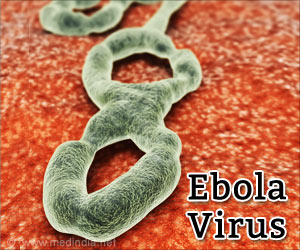
Following Stringent Routines Most Vital in Avoiding Ebola Infection: WHO
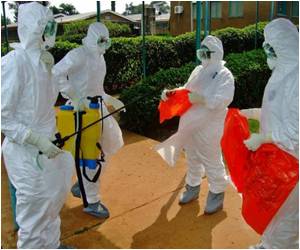
Meticulously following stringent routines when putting on and removing protective equipment is more important than the kind of gear health care workers use to ward off Ebola infection, reveals the World Health Organization.
Meticulously following stringent routines when putting on and removing protective equipment is more important than the kind of gear health care workers use to ward off Ebola infection, reveals the World Health Organization.
The study is published in the journal Science.

Quiz on Ebola
Why is the deadly Ebola virus outbreak making the health experts hit the panic button? Find out from this quiz.
Why is the deadly Ebola virus outbreak making the health experts hit the panic button? Find out from this quiz.

British Satellites For The First Time Ever Help To Fight Against Ebola
A recent report revealed that for the first time ever British built satellites are being used to help fight against the Ebola disease.
A recent report revealed that for the first time ever British built satellites are being used to help fight against the Ebola disease.
 Email
Email