MEDINDIA
 English
 हिन्दी
 Español
 français
 中文
中文
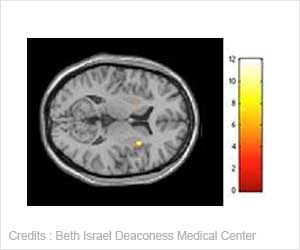
A neuropsychologist has found that the part of the brain that normally process vision or visual stimuli can sound information in some blind people.
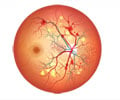
Diabetic Retinopathy - Risk Factors - Symptoms - Treatment - Diagnosis - FAQs
The term ‘diabetic retinopathy’ refers to changes in the retina which often occur in people with diabetes.
The term ‘diabetic retinopathy’ refers to changes in the retina which often occur in people with diabetes.
The findings raise questions regarding how this rewiring occurs during the development of blind new born babies. "In early life, the brain is sculpting itself on the basis of experience, with some synaptic connections eliminated and others strengthened," Collignon noted. Synaptic connections enable our neurons, or brain cells, to communicate. "After a peak of development ending approximately at the age of 8 months, approximately 40% of the synapses of the visual cortex are gradually removed to reach a stable synaptic density at approximately the age of 11 years. It is possible that that the rewiring occurs as part of the maintenance of our ever changing neural connections, but this theory will require further research," Collignon said.
Source-Eurekalert
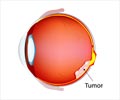
Retinoblastoma - Causes, Symptoms, Diagnosis, Treatment & Prevention
Retinoblastoma is a type of cancer of the eye occurring in children. Early diagnosis and treatment, and genetic counselling can go a long way in saving life and vision in children and siblings at risk for this disease.
Retinoblastoma is a type of cancer of the eye occurring in children. Early diagnosis and treatment, and genetic counselling can go a long way in saving life and vision in children and siblings at risk for this disease.

Quiz on Eye
The eyes are the most complex part of the body after the brain. To learn more about the eye, its functions and the diseases that affect the eye participate in this quiz.
The eyes are the most complex part of the body after the brain. To learn more about the eye, its functions and the diseases that affect the eye participate in this quiz.
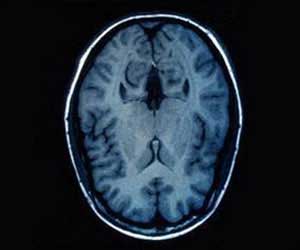
Brain Parts Otherwise Used For Vision Help the Blind Understand Languages
A new study claims that in blind people, the parts of brain that are used for processing vision, are recruited for language processing.
A new study claims that in blind people, the parts of brain that are used for processing vision, are recruited for language processing.
 Email
Email