MEDINDIA
 English
 हिन्दी
 Español
 français
 中文
中文
Scientists successfully formulate organic neuromorphic robots that can efficiently learn to move through a labyrinth (maze), similar to a human brain.
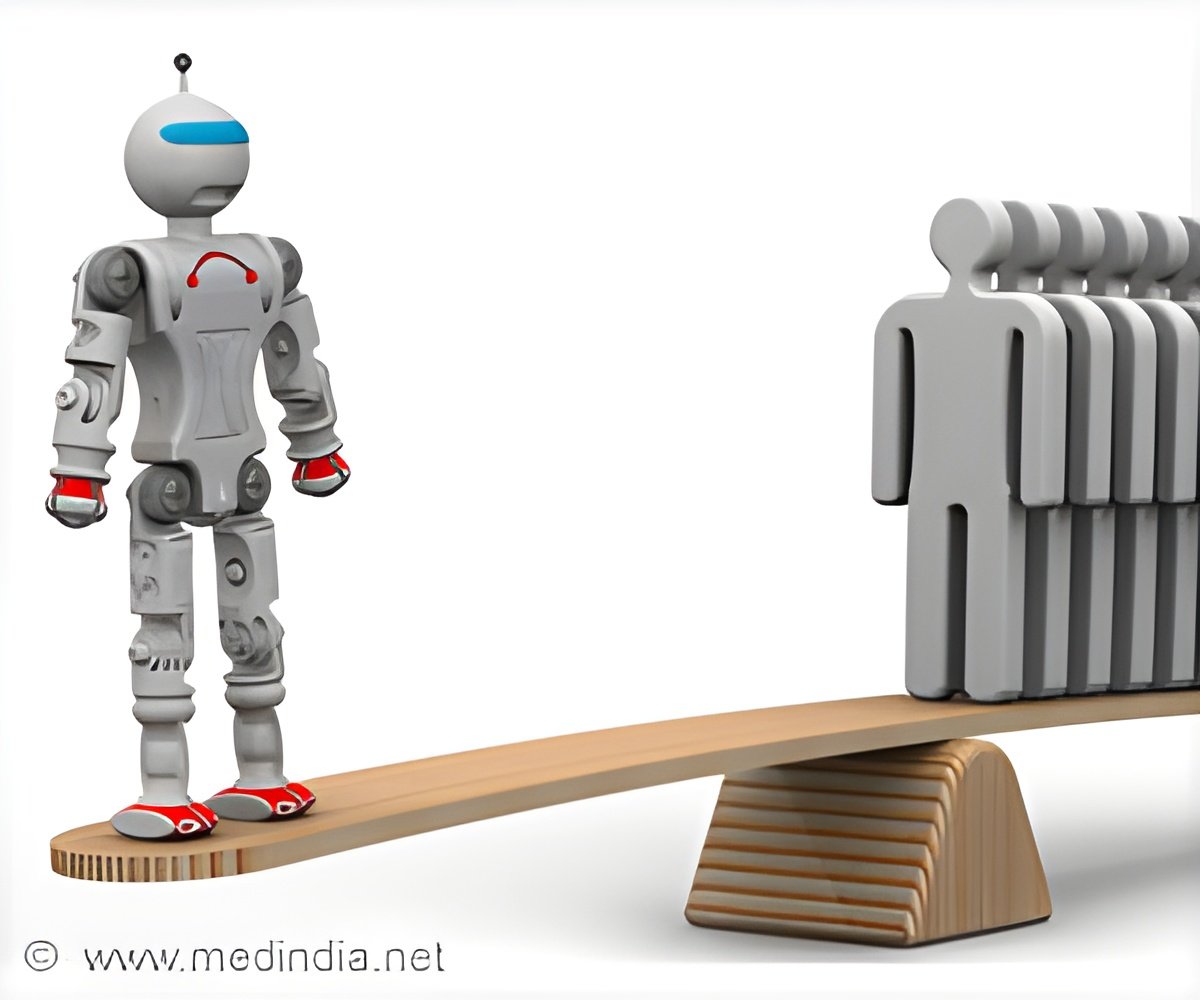
Artificial Intelligence-driven Care Robots Tackle the Suicide Rate
South Korea tackles the rising suicide rate with artificial intelligence-driven care robots.
South Korea tackles the rising suicide rate with artificial intelligence-driven care robots.
TOP INSIGHT

Scientists successfully formulate organic neuromorphic robots that can efficiently learn to move through a labyrinth (maze), similar to a human brain.
Robotics and Learning
“In our research, we have taken this model to develop a robot that is able to learn to move through a labyrinth (maze). Just as a synapse in a mouse brain is strengthened each time it takes the correct turn in a psychologist’s maze, our device is ‘tuned’ by applying a certain amount of electricity. By tuning the resistance in the device, you change”, says Imke Krauhausen, PhD student at the Department of Mechanical Engineering at TU/e and principal author of the paper.
Millirobots: New Drug Delivery System
Millirobots are objects coated with magnetic spray (M-spray) which is biocompatible and has biomedical applications like in catheter navigation and drug delivery.
Millirobots are objects coated with magnetic spray (M-spray) which is biocompatible and has biomedical applications like in catheter navigation and drug delivery.
“Our robots still rely partly on traditional software to move around. And for the neuromorphic robots to execute really complex tasks, we need to build neuromorphic networks in which many devices work together in a grid. That’s something that I will be working on in the next phase of my PhD research,” says Krauhausen.

Robots' Sensory Abilities Improved by Using Biologically Inspired Skin
Robots can now sense their bodies and surroundings through innovative, sensitive synthetic skin. This research will be a crucial turning point if they are to be in close contact with people.
Robots can now sense their bodies and surroundings through innovative, sensitive synthetic skin. This research will be a crucial turning point if they are to be in close contact with people.
Source-Medindia

Microrobots Offer Hope in Fighting Tumors
Microrobots could offer promise for treating tumors and delivering drugs in the human body, reveals a new study.
Microrobots could offer promise for treating tumors and delivering drugs in the human body, reveals a new study.
 Email
Email