MEDINDIA
 English
 हिन्दी
 Español
 français
 中文
中文
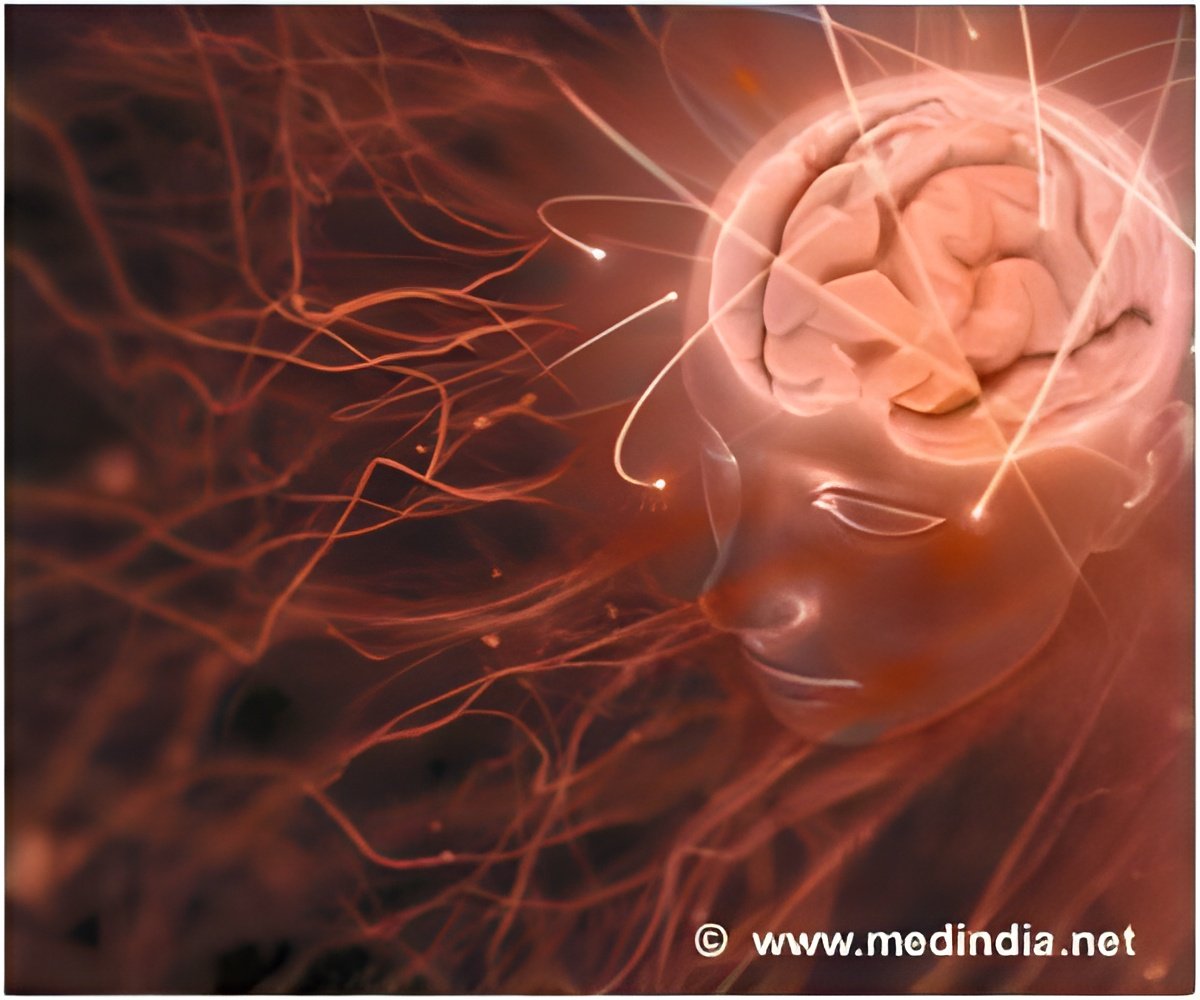
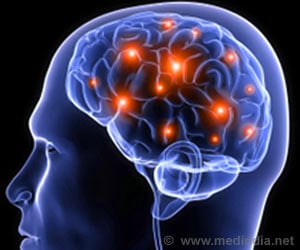
Connections between certain brain regions are amplified in teens who take more risks.
Scientists Provide New Insights into Why Teens Carry Meningitis-Causing Bacteria
Scientists at University of York have shed new light on why teenagers and young adults are particularly susceptible to meningitis and septicaemia.
Scientists at University of York have shed new light on why teenagers and young adults are particularly susceptible to meningitis and septicaemia.
Lead author of the study, Sam Dewitt said, "Our brains have an emotional-regulation network that exists to govern emotions and influence decision-making. Antisocial or risk-seeking behavior may be associated with an imbalance in this network."
Francesca Filbey, Ph.D., Director of Cognitive Neuroscience Research of Addictive Behaviors at the Center for BrainHealth and her colleagues who conducted the study have found that risk-taking teens exhibit hyperconnectivity between the amygdala which is responsible for processing emotions, and specific areas of the prefrontal cortex associated with emotion regulation and critical thinking skills.

Aggressive Teens More Likely to Drink Alcohol
A new study has found that aggressive adolescents were more likely to drink alcohol compared to their depressed peers.
A new study has found that aggressive adolescents were more likely to drink alcohol compared to their depressed peers.
He also pointed out though the risk-taking group took part in risky behavior, none of them met clinical criteria for behavioral or substance use disorders.
Bioengineers Create Functional 3D Brain-like Tissue
Bioengineers have created three-dimensional brain-like tissue that functions like and has structural features similar to tissue in the rat brain.
Bioengineers have created three-dimensional brain-like tissue that functions like and has structural features similar to tissue in the rat brain.
Source-Medindia
Quiz on Brain
The human brain is exquisitely intrinsic and is the seat of all emotions. If you are curious about what makes you bad, sad, silly or glad this quiz on the brain will satiate you.
The human brain is exquisitely intrinsic and is the seat of all emotions. If you are curious about what makes you bad, sad, silly or glad this quiz on the brain will satiate you.
 Email
Email