MEDINDIA
 English
 हिन्दी
 Español
 français
 中文
中文
Ghrelin is a hormone released from the stomach that increases appetite. It acts as a signal to engage in learned feeding behavior.


Your Hunger Hormone Increases Your Ability to Sniff Out Food
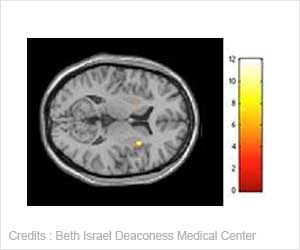
A hormone, known to promote hunger, has been found to enhance exploratory sniffing in both animals and humans, according to a new study.
A hormone, known to promote hunger, has been found to enhance exploratory sniffing in both animals and humans, according to a new study.
TOP INSIGHT

Ghrelin, a hunger hormone communicates with neurons in the hippocampus to stimulate appetite and these neurons then communicate with the hypothalamus to produce the molecule orexin, which promotes hyperphagia, or excessive eating.
They found that ghrelin hormone was responsible for the overeating behavior by stimulating another molecule called as orexin which is associated with excessive eating. Furthermore, ghrelin has also been found to increase the rate at which nutrients pass through the body. But it is best to happen slowly in order to create a feeling of fullness over longer periods of time.
"We are looking deep into the higher order functions of the brain to unpick not just which hormones are important for controlling our impulses but exactly how the signals and connections work," said lead author Scott Kanoski.

Why We Crave for 'Pleasure Foods' During Stress
Scientists have conducted a study, which explains the cause behind the craving for high calorie pleasure foods, such as chocolates, mashed potatoes and ice creams during times of stress.
Scientists have conducted a study, which explains the cause behind the craving for high calorie pleasure foods, such as chocolates, mashed potatoes and ice creams during times of stress.
Reference: Ted M Hsu, Scott E Kanoski et al. “Hippocampus ghrelin signaling mediates appetite through lateral hypothalamic orexin pathways,” eLife, Dec 15, 2015, http://dx.doi.org/10.7554/eLife.11190

New Procedure Lowers Levels of Hunger Hormone
Use of embolization procedure was found to lower the levels of hunger-stimulating hormone and thereby leading to significant weight loss, finds study.
Use of embolization procedure was found to lower the levels of hunger-stimulating hormone and thereby leading to significant weight loss, finds study.

Impaired Action of Hunger Hormone Leptin May Not Be the Culprit Behind Obesity
The hormone leptin is produced when we are well fed, indicating the brain that the body has met the energy needs, giving us a feeling of fullness.
The hormone leptin is produced when we are well fed, indicating the brain that the body has met the energy needs, giving us a feeling of fullness.
 Email
Email