MEDINDIA
 English
 हिन्दी
 Español
 français
 中文
中文
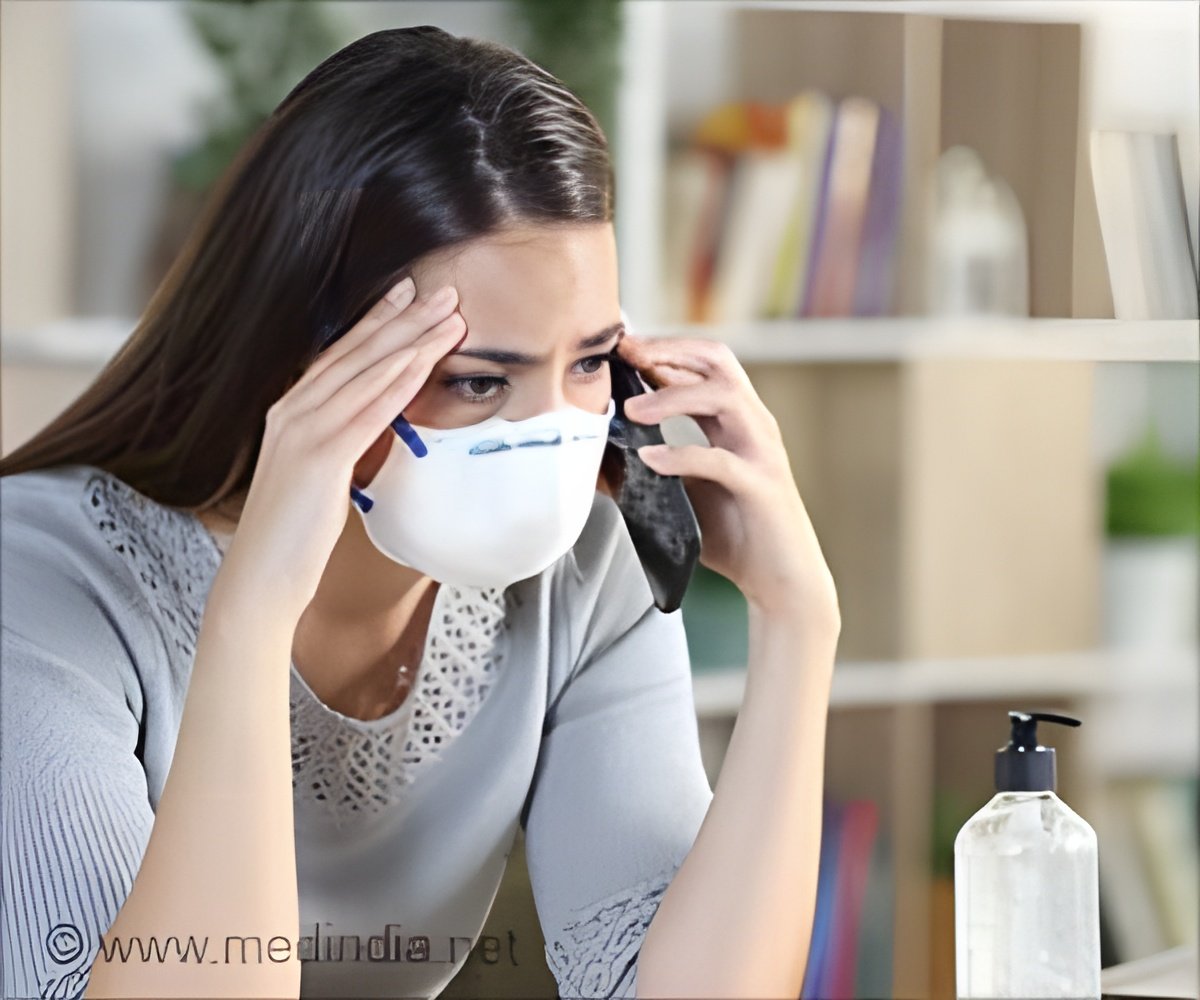
With a new advanced laboratory, Chicago and Rush researchers partner to detect new strains of COVID-19.
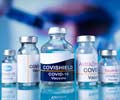
COVID-19 Vaccination in India: Issues and Challenges
India’s COVID-19 vaccination program has been launched. It currently uses the vaccines Covishield and Covaxin. There are some issues and challenges that need to be overcome in order to vaccinate all Indians.
India’s COVID-19 vaccination program has been launched. It currently uses the vaccines Covishield and Covaxin. There are some issues and challenges that need to be overcome in order to vaccinate all Indians.
TOP INSIGHT

Genomic sequencing can answer several questions. It can detect which strains of COVID-19 are circulating in Chicago; it can monitor the spread in specific neighborhoods or within certain populations.
“For example, if the city wants to understand some COVID-19 hot spots, the genomic information can help to identify chains of transmission so that public health resources can be used most effectively to break the chain,” Hayden says.
National effort to surveil COVID-19

COVID-19: Diet Plan and Lifestyle Modifications for the Unlock Phase
Healthy eating habits and adherence to physical activity are required during COVID-19 lockdown. WHO has prepared a set of general tips that you could follow during the lockdown to stay fit and healthy.
Healthy eating habits and adherence to physical activity are required during COVID-19 lockdown. WHO has prepared a set of general tips that you could follow during the lockdown to stay fit and healthy.
New strains, such as those found in the United Kingdom (UK), South Africa and Brazil, are now spreading to other places, including the United States. The UK strain was first reported in Chicago in mid-January.
Can Biomarkers Determine Who's at Risk for Severe Covid-19 Symptoms?
Biomarkers help to know why some people affected with Covid-19 experience only mild, flu-like symptoms, while others suffer life-threatening respiratory problems, vascular dysfunction and tissue damage.
Biomarkers help to know why some people affected with Covid-19 experience only mild, flu-like symptoms, while others suffer life-threatening respiratory problems, vascular dysfunction and tissue damage.
Like other viruses, the COVID-19 virus constantly changes through mutation, and new variants emerge over time. “SARS-CoV-2 is mutating, though not at an especially rapid rate compared to other viruses, such as influenza,” Green adds.
Health Workers, Firefighters Have Mixed Feelings About Covid-19 Vaccine
Firefighters and emergency medical services workers are at high risk of exposure to COVID-19 while on the job and pose an additional risk of transmitting the virus to others.
Firefighters and emergency medical services workers are at high risk of exposure to COVID-19 while on the job and pose an additional risk of transmitting the virus to others.
Another question of interest is whether variants will “escape” the immunity provided by the COVID vaccines.
“While the SARS-CoV-2 vaccines have been shown to be very effective, one focus of RIPHL will be to sequence viruses from vaccinated persons who develop COVID, to monitor whether certain variants are more likely to cause infection after vaccination,” Hayden adds.
The contract was awarded in December, and the lab is expected to be fully operational by March. The CDPH, which is working with the Centers for Disease Control and Prevention (CDC) and State of Illinois to contribute to national surveillance of SARS-CoV-2 strains, says the lab partnership will increase public health surveillance of possible COVID-19 variants.
Rush and CDPH have partnered on other public health initiatives, including a comprehensive data resource hub that centralizes hospital information. Launched in December, the big data analytics tool is designed to aid in the fight against COVID-19 and other public health issues.
Source-Newswise
 Email
Email