MEDINDIA
 English
 हिन्दी
 Español
 français
 中文
中文
Open communication about the Vaccine Adverse Event Reporting System (VAERS) may not increase the public's acceptance of vaccines.
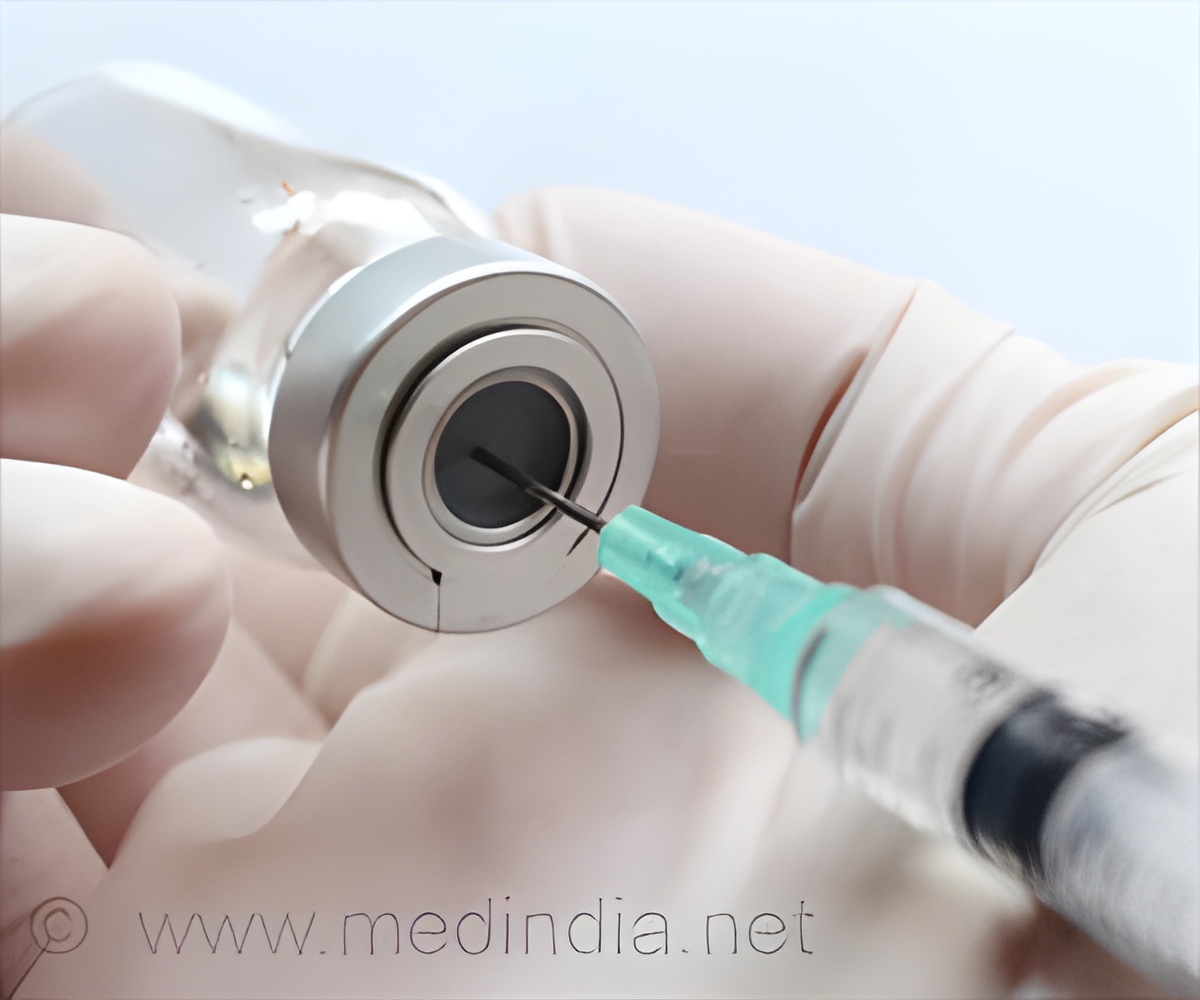
Background Mortality Rates Crucial in Reporting of Vaccine Safety Risks
Using the Vaccine Safety Datalink (VSD), in a study investigators analyzed four years of data and determined that background mortality rates (rates of death irrespective of cause) are crucial in interpreting the numbers of deaths following vaccination.
Using the Vaccine Safety Datalink (VSD), in a study investigators analyzed four years of data and determined that background mortality rates (rates of death irrespective of cause) are crucial in interpreting the numbers of deaths following vaccination.
TOP INSIGHT

Open communication about Vaccine Adverse Event Reporting System (VAERS) may not increase the public's acceptance of vaccines.
Using data on serious adverse events reported for the Human Papillomavirus vaccine in VAERS in 2013, the researchers surveyed more than 1,200 participants' reactions to the VAERS reports. The first group was presented with the standard HPV vaccine statement that all patients receive prior to vaccination. The second group was given the same vaccine statement as well as information about VAERS, which included data showing that out of approximately 10 million vaccinations, 24 individuals were reported to have been disabled and seven were reported to possibly have died as a result of their vaccinations. The third group received this VAERS information and also read the detailed reports of each event.
"Since anyone can report anything to VAERS for any reason, the VAERS reports contain incidents of serious adverse events that may not have anything to do with the vaccine," Scherer said. "We thought that by having people read the actual reports, they would see that there are very few reported serious events, and that the vaccine may not have even caused the event. Taken together, we felt this might make participants feel more assured that vaccines are safe - but in fact, what we found was the opposite."
For Vaccine Safety, Parents Trust Doctors
U-M experts say that most parents trust their doctors when it comes to information about vaccine safety.
U-M experts say that most parents trust their doctors when it comes to information about vaccine safety.
"When participants read the incident reports, there was a marked reduction in their willingness to vaccinate - even though most participants believed the vaccines caused few or even none of the deaths," Scherer said. "Stories about vaccine harms can influence vaccine acceptance even when people don't completely believe them. This can potentially inform how people react to stories versus data about vaccine harms and provides a test of publicly available data on vaccine acceptance. It also means that the media should be very careful about propagating stories about vaccine harms when it is unclear that the vaccine was the cause."

Saint Louis University Doctors Determined to Bust Myths on Vaccines
Two Saint Louis University pediatricians are guiding a Missouri State Medical Association statewide endeavor to transform the way doctors react to parents' fears of vaccines.
Two Saint Louis University pediatricians are guiding a Missouri State Medical Association statewide endeavor to transform the way doctors react to parents' fears of vaccines.
Source-Newswise
Measles-bearing Vaccines Not Related to Worse Risk of Febrile Seizures in Kids 4 to 6
Vaccines for measles were not linked to an augmented risk of febrile seizures between 4 and 6 year olds during the six weeks after vaccination, states study.
Vaccines for measles were not linked to an augmented risk of febrile seizures between 4 and 6 year olds during the six weeks after vaccination, states study.
 Email
Email