MEDINDIA
 English
 हिन्दी
 Español
 français
 中文
中文
Neurocognitive impairment is highly prevalent within total joint arthroplasty candidates and may be correlated with higher body mass index , and rates of depression. The condition predisposes patients to have poorer outcome after joint replacement surgery.

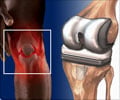
Knee Replacement
Make sprinting a possibility! Relieve chronic arthritic pain by having a knee replacement done at affordable prices. Check out our list of world-class hospitals.
Make sprinting a possibility! Relieve chronic arthritic pain by having a knee replacement done at affordable prices. Check out our list of world-class hospitals.
TOP INSIGHT

According to this study, neurocognitive impairment is common among joint arthroplasty patients and it determines the outcome of surgery.
Screening patients preoperatively may yield targets for intervention
Total joint replacements are performed on a wide array of individuals, which includes an older population who may have significant medical comorbidities. Previous research suggests that neurocognitive impairment before any major surgery may raise risk for increased complications and worse outcomes, but this phenomenon has not been well-studied in patients undergoing joint replacements. More than 645,000 people undergo a total knee replacement each year, and more than 306,000 undergo a total hip replacement annually, according to the AAOS.
Slover and colleagues prospectively screened more than 100 patients who were set to undergo total joint replacements at NYU Langone Orthopedic Hospital for neurocognitive impairment using three validated cognitive tests: a grooved pegboard test for dexterity and coordination for both a dominant and nondominant hand, and an auditory verbal learning test for memory function.
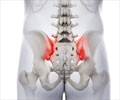
Sacroiliac Joint Dysfunction | Sacroiliac Joint Pain (SI Joint Pain) | Sacroiliitis
Sacroiliac dysfunction or sacroiliitis causes lower back pain. Inflammatory conditions like ankylosing spondylitis and psoriasis can affect the sacroiliac joint.
Sacroiliac dysfunction or sacroiliitis causes lower back pain. Inflammatory conditions like ankylosing spondylitis and psoriasis can affect the sacroiliac joint.
The researchers found that 53 percent of patients (or 53 out of 99) had neurocognitive deficits identified on at least one of the three tests: There was a significant prevalence of neurocognitive impairment in patients between the ages of 50 and 59 (20 out of 34), though the highest proportion was reported in patients 70 years of age or older (62 percent, or 13 out of 21 patients screened). Depression was linked to higher likelihood of worse neurocognitive scores, with 77 percent (13 of 17) patients with depression testing positive for neurocognitive impairment on any test, versus 48 percent (38 of 79) of non-depressed patients.
Future research will focus on developing pre- and postsurgical evaluations and interventions to improve the outcomes of these patients, and larger studies are planned.

Joint Pain Symptom Evaluation
Joint pain is a common problem that affects individuals of all ages. A diagnosis of the underlying cause of joint pain is y possible based on the symptoms of the patient, along with certain specific tests.
Joint pain is a common problem that affects individuals of all ages. A diagnosis of the underlying cause of joint pain is y possible based on the symptoms of the patient, along with certain specific tests.
The complete research is published in the Journal of Arthroplasty.
Source-Eurekalert
 Email
Email