MEDINDIA
 English
 हिन्दी
 Español
 français
 中文
中文
An FDA-approved cancer drug reactivates the immune system to remove harmful cells in idiopathic pulmonary fibrosis, potentially restoring lung function.
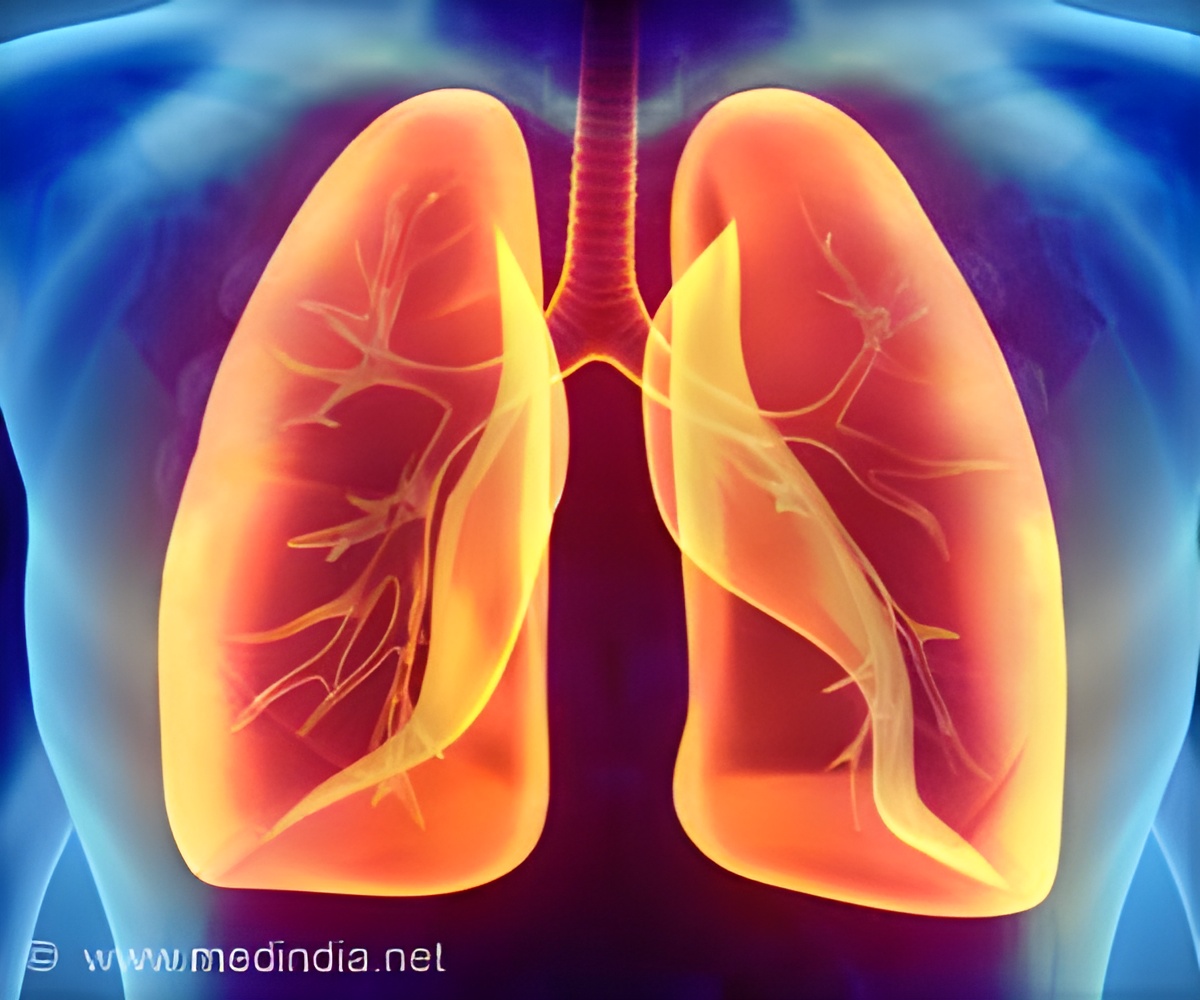
Reactivation of CTLA4-expressing T cells Accelerates Resolution of Lung Fibrosis in a Humanized Mouse Model
Go to source). IPF is rapidly progressive and causes scarring in the lungs, making it difficult to breathe. Approximately 50% of patients die within three years of diagnosis, and current treatments can only slow the disease — not stop or reverse it.
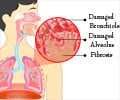
Pulmonary Fibrosis - Causes, Symptoms, Diagnosis, Treatment, Prognosis
Do you find yourself out of breath and coughing a lot lately? Do you work in dust prone places? Well, then you might have pulmonary fibrosis.
Do you find yourself out of breath and coughing a lot lately? Do you work in dust prone places? Well, then you might have pulmonary fibrosis.
TOP INSIGHT

Did You Know?
A cancer drug can help the immune system clear out damaged lung cells and regenerate tissue in idiopathic pulmonary fibrosis—a deadly disease with a 50% three-year mortality rate. #medindia #pulmonaryfibrosis #immunetherapy #lungregeneration
Repurposing Cancer Drug to Restore Lung Function
In a study published in the Journal of Clinical Investigation, Tulane scientists found that an FDA-approved cancer drug may help the immune system clear out the damaged cells that cause the lung scarring, potentially restoring lung function in patients with the disease.In healthy lungs, specialized cells called fibroblasts help repair lung tissue. But in people with IPF, some fibroblasts and nearby epithelial cells stop functioning properly. These so-called “senescent” cells no longer divide or die as they should. Instead, they build up and contribute to stiff, scarred lungs.
Tulane researchers discovered that these senescent cells appear to accumulate when the immune system’s natural ability to remove them is blocked. The culprit: a protein called CTLA4, which acts as an emergency brake on immune system activity.

Three-drug Regimen and Idiopathic Pulmonary Fibrosis
The three-drug regimen may not be a good choice in patients with idiopathic pulmonary fibrosis.
The three-drug regimen may not be a good choice in patients with idiopathic pulmonary fibrosis.
Reactivating T Cells to Clear Senescent Fibroblasts
By using ipilimumab — an immunotherapy drug currently used to treat various cancers — the researchers were able to block CTLA4 in mice. This released the “brakes” on certain immune cells called T cells, reactivating their ability to clear out the senescent fibroblasts. As a result, the mice showed significantly improved lung tissue regeneration and reduced scarring.“The CTLA4 protein normally functions to prevent excessive inflammation by blocking overactive T cells,” said senior author Dr. Victor Thannickal, professor and Harry B. Greenberg Chair of Medicine at Tulane University’s John W. Deming Department of Medicine. “Too much of this ‘blocker protein’ may result in losing the ‘good’ inflammation that is needed to remove senescent cells. What we’re doing is blocking the blocker.”
The researchers zeroed in on CTLA4 as a potential therapeutic target when they analyzed both human and mouse IPF lung tissue and found unusually high levels of CTLA4 on the T cells in the areas where scarring was most prevalent.
Mice that received ipilimumab showed significantly improved lung repair ability and recovered faster than mice that did not receive the drug.
Pirfenidone for the Treatment of Idiopathic Pulmonary Fibrosis
Pirfenidone inhibits development of inflammation and has been approved for the treatment of idiopathic pulmonary fibrosis (IPF).
Pirfenidone inhibits development of inflammation and has been approved for the treatment of idiopathic pulmonary fibrosis (IPF).
Immune Rejuvenation as a Therapeutic Strategy
“This opens up an entirely new direction for potential treatment of IPF,” said lead author Santu Yadav, Ph.D., assistant professor of medicine at the Tulane University School of Medicine. “Instead of using drugs to kill senescent cells, we are re-activating our own immune system to clear them out.”More research is needed to determine the efficacy of drugs that target CTLA4 or other so-called “checkpoint proteins” to rejuvenate the immune system. A primary concern is determining a safe dosing strategy that allows for the immune system to attack senescent cells without causing harmful levels of inflammation.
Significant Breakthrough in the Diagnosis of Pulmonary Fibrosis
CU Anschutz researchers have identified a connection between mucus in the small airways and pulmonary fibrosis.
CU Anschutz researchers have identified a connection between mucus in the small airways and pulmonary fibrosis.
Broader Implications for Aging and Chronic Diseases
IPF is a disease of aging and is rarely seen before age 50. These findings also offer hope that this approach could work for other similar aging related diseases.“If it works in IPF, this immune rejuvenating approach to treatment may be effective in other diseases such as Alzheimer’s or cardiovascular diseases in which senescent cells are known to accumulate,” Thannickal said. “Can the right drug activate T cells in a way that clears senescent cells without causing collateral damage? If so, we may be closer to combating many aging related diseases and perhaps even aging itself.”
Reference:
- Reactivation of CTLA4-expressing T cells Accelerates Resolution of Lung Fibrosis in a Humanized Mouse Model - (https://www.jci.org/articles/view/181775)
Source-Eurekalert
 Email
Email