MEDINDIA
 English
 हिन्दी
 Español
 français
 中文
中文
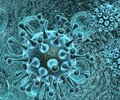
Enzyme structure found in Mycobacterium tuberculosis (Mtb), the bacterium that causes tuberculosis (TB) by scientists at the University of Warwick may help develop new therapies to eradicate tuberculosis.
Tuberculosis - Spread - Symptoms - Diagnosis - Treatment - FAQs
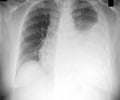
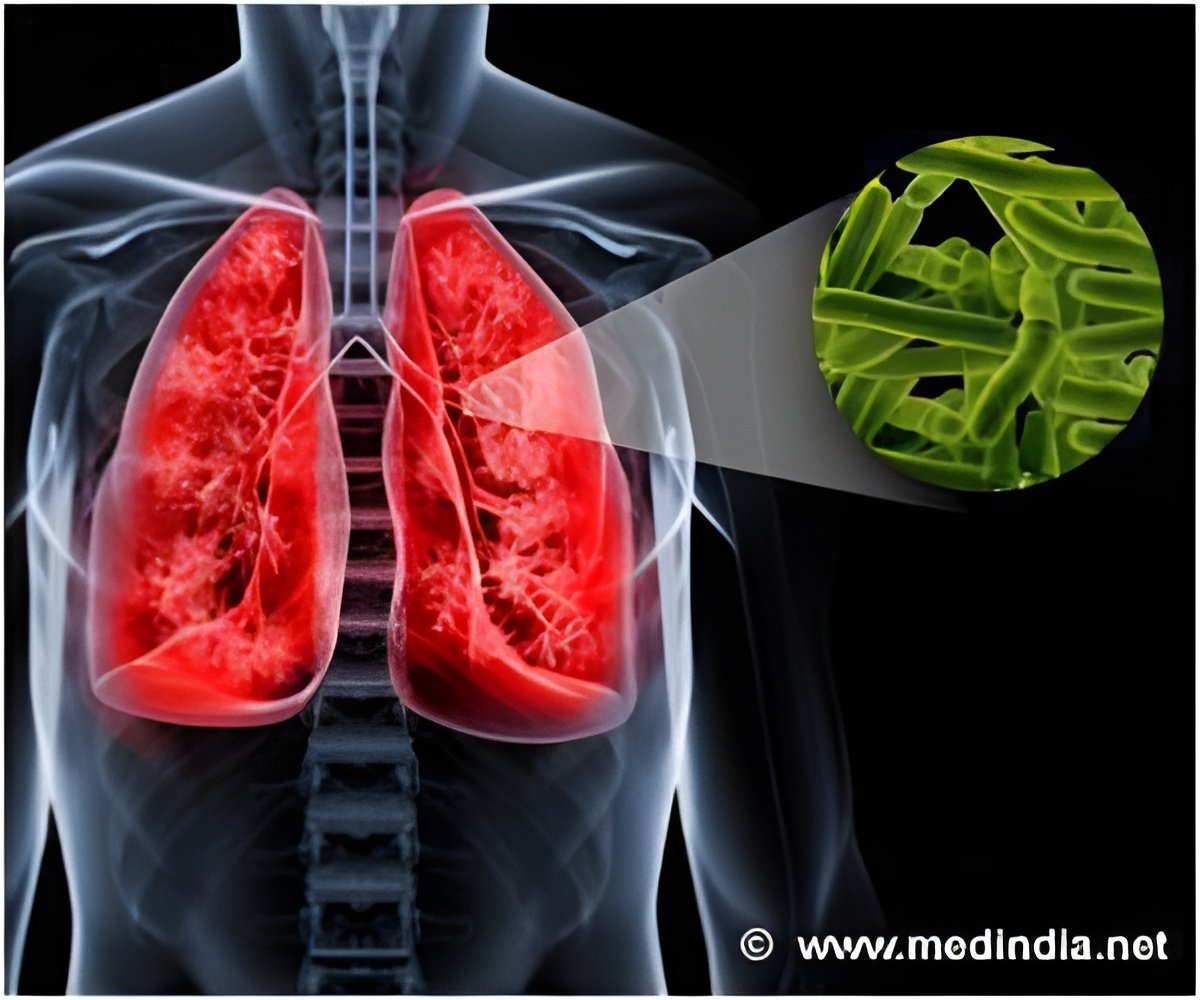
Tuberculosis, caused by Mycobacterium tuberculosis, primarily affects the lung. It may spread to other organs.
Tuberculosis, caused by Mycobacterium tuberculosis, primarily affects the lung. It may spread to other organs.
TOP INSIGHT

An enzyme found in Mycobacterium tuberculosis (Mtb), the bacterium that causes tuberculosis (TB), may be a new target for future tuberculosis therapies.
The team found a key structural motif in the tuberculosis N-acetylglucosamine-6-phosphate deacetylase (NagA) enzyme. Attacking this structural motif through the design and exploitation of new molecules will enable scientists to inhibit this critical pathway and kill TB.
Using the X-ray facilities at the Diamond Light Source, Harwell, they were provided with detailed molecular insights into how the NagA enzyme generates important precursors that are involved in Mtb cell wall biosynthesis and metabolism.
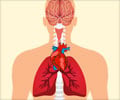
Extra Pulmonary Tuberculosis - Symptoms, Signs, Causes, Risk factors, Treatment
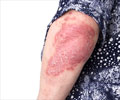
Extra pulmonary tuberculosis is infection of tissues and organs other than the lungs by mycobacterium tuberculosis and related organisms.
Extra pulmonary tuberculosis is infection of tissues and organs other than the lungs by mycobacterium tuberculosis and related organisms.
"Our group has identified a weak point within this protein that we can target and will now enable us to design specific molecules to block its function"
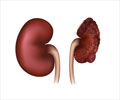
Renal Tuberculosis - Causes, Symptoms, Complications, Diagnosis & Treatment
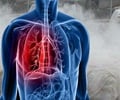
Renal tuberculosis or tuberculosis of the kidney is a type of genitourinary tuberculosis that can be treated with anti-tubercular medications.
Renal tuberculosis or tuberculosis of the kidney is a type of genitourinary tuberculosis that can be treated with anti-tubercular medications.
The research is published in the Journal of Biological Chemistry.

Screening Tests for Tuberculosis
Tuberculin skin test and Interferon – Release Assays are tests used to screen for tuberculosis.
Tuberculin skin test and Interferon – Release Assays are tests used to screen for tuberculosis.
 Email
Email