MEDINDIA
 English
 हिन्दी
 Español
 français
 中文
中文
The PDE4B-inhibited mice exhibited enhanced cognitive abilities. They tended to learn faster, remember events longer and solve complex exercises better.
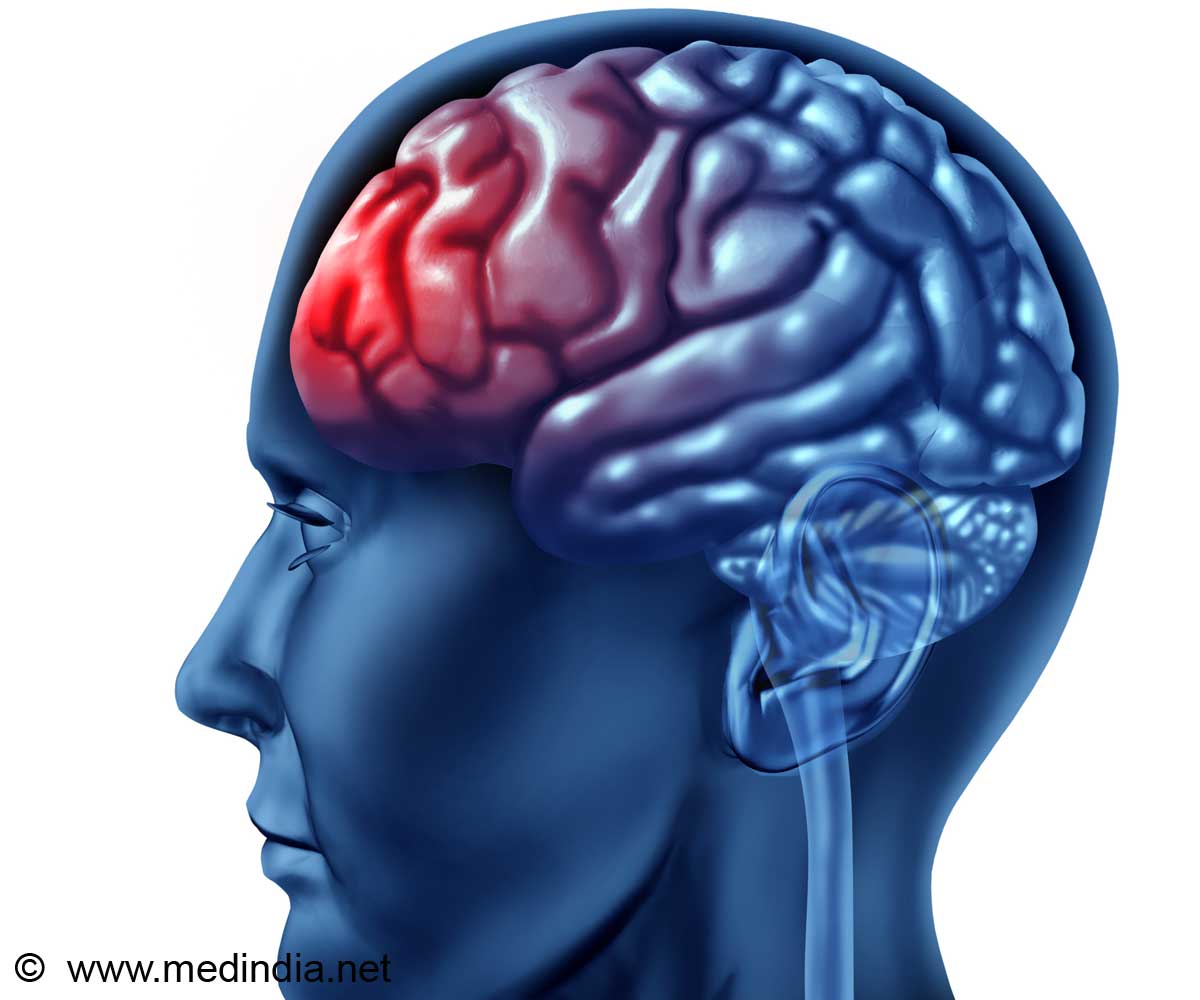
Researchers Improve Understanding of Cognitive Disorders
Our sensory experiences are being processed by various areas of the brain.
Our sensory experiences are being processed by various areas of the brain.
Lead author Steve Clapcote University of Leeds' said, "Cognitive impairments are currently poorly treated, so I am excited that our work using mice has identified phosphodiesterase-4B as a promising target for potential new treatments."
The study is published in Neuropsychopharmacology.

Prevent Diabetes-related Cognitive Disorders By Lifestyle Improvements
Glucose regulation plays a central role in cognitive function and aging and poor glucose control is likely to interact with coexisting disorders, such as dementia or cerebral infarcts,
Glucose regulation plays a central role in cognitive function and aging and poor glucose control is likely to interact with coexisting disorders, such as dementia or cerebral infarcts,

Genomic Catastrophe Responsible for Developmental Delay, Cognitive Disorders
Using a diversity of DNA sequencing and human genome analytic techniques, researchers led by Baylor College
Using a diversity of DNA sequencing and human genome analytic techniques, researchers led by Baylor College

Protein Essential for Cognition and Mental Health Identified
Important molecular actions of proteins that allow the creation of mental representations necessary for higher cognition that are genetically altered in schizophrenia have been discovered.
Important molecular actions of proteins that allow the creation of mental representations necessary for higher cognition that are genetically altered in schizophrenia have been discovered.
 Email
Email