MEDINDIA
 English
 हिन्दी
 Español
 français
 中文
中文
Social and family support are key to better mental health in children born preterm.
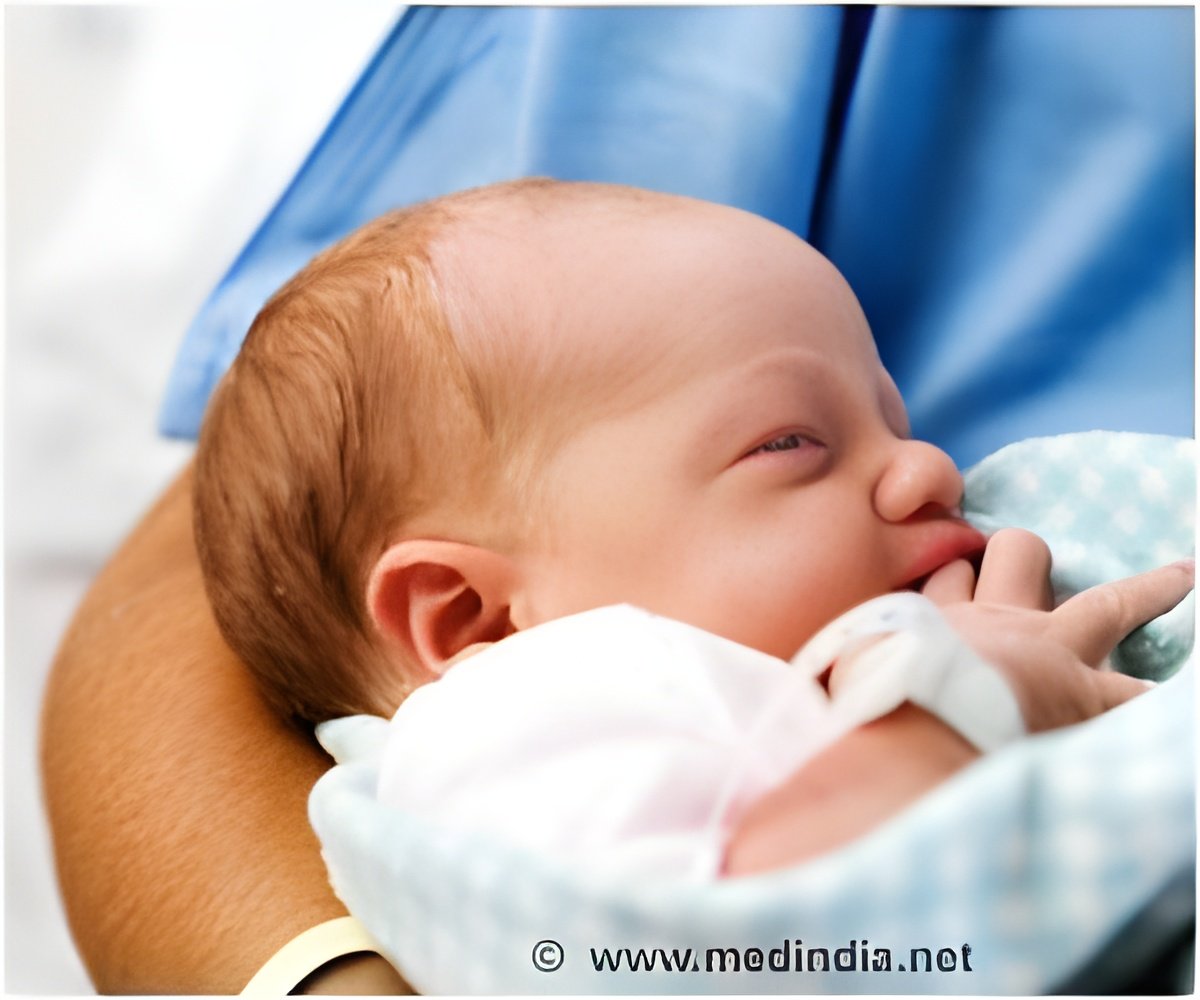
Fostering positive mental health outcomes in vulnerable children: Pathways to resilience after preterm birth
Go to source).
Preterm Babies may suffer Delays in Speech
Babies born before the 40 weeks of gestation have a delayed development of the brain region that deals with hearing, language and speech.
Babies born before the 40 weeks of gestation have a delayed development of the brain region that deals with hearing, language and speech.
TOP INSIGHT

Did You Know?
Half of preterm children develop strong mental health—but it’s not luck. It’s shaped by love, support, and safe spaces.
#medindia #mentalhealth #childhealth #prematurebirth #resilience
Born Early, Braving More
Children born before 37 weeks of pregnancy face more than just early delivery—they often carry a higher risk of mental health challenges that can linger into adolescence. Despite major strides in medicine, mental health outcomes for preterm-born kids haven't improved over the decades.
Pregnancy Weight Gain Calculator
Calculate your weight gain during pregnancy and find out the ideal weight gain limit for your month of pregnancy.
Calculate your weight gain during pregnancy and find out the ideal weight gain limit for your month of pregnancy.
What Makes a Resilient Child?
Here’s the uplifting news: about 50% of preterm children grow up with good mental health. So, what sets them apart? Researchers studied over 1,500 children from Germany and the UK and found that certain individual and social factors—like self-control and strong bonds with parents—made a big difference. These aren’t just random traits—they’re skills and supports that can be nurtured.
Preterm Delivery Risk Increases for Overweight Pregnant Women
Pregnant women who are overweight or obese have a higher risk of preterm delivery, reveals a new Swedish study that found overweight and obesity can also increase pregnancy complications.
Pregnant women who are overweight or obese have a higher risk of preterm delivery, reveals a new Swedish study that found overweight and obesity can also increase pregnancy complications.
Family Formula for Success
The home environment plays a critical role in shaping mental wellbeing. Children with supportive parents, particularly strong relationships with mothers, and those who grow up in structured, emotionally warm homes, had much better outcomes. Interparental harmony and healthy sibling ties also help build resilience in preterm kids.
Prebiotics and Probiotics in Preterm or Low Birth Weight Infants
A study conducted evaluates the efficacy of addition of prebiotic or probiotic to infant formula in low weight babies or premature infants.
A study conducted evaluates the efficacy of addition of prebiotic or probiotic to infant formula in low weight babies or premature infants.
Bullies Beware- The Schoolyard Effect
One of the most powerful findings? Protection from bullying had a strong link to better mental health in preterm children. Peer relationships matter deeply, especially when children already feel vulnerable. Anti-bullying efforts and safe school spaces to help these children feel included, supported, and emotionally secure.Building a Brighter Tomorrow
From enhancing self-regulation and strengthening parent-child bonds to reducing exposure to bullying, these are intervention-ready areas. As co-author Prof. Dieter Wolke said, “These are all things we can improve”—and doing so could change lives.Reference:
- Fostering positive mental health outcomes in vulnerable children: Pathways to resilience after preterm birth - (https://acamh.onlinelibrary.wiley.com/doi/10.1111/jcpp.70002 )
Source-University of Warwick
 Email
Email