MEDINDIA
 English
 हिन्दी
 Español
 français
 中文
中文
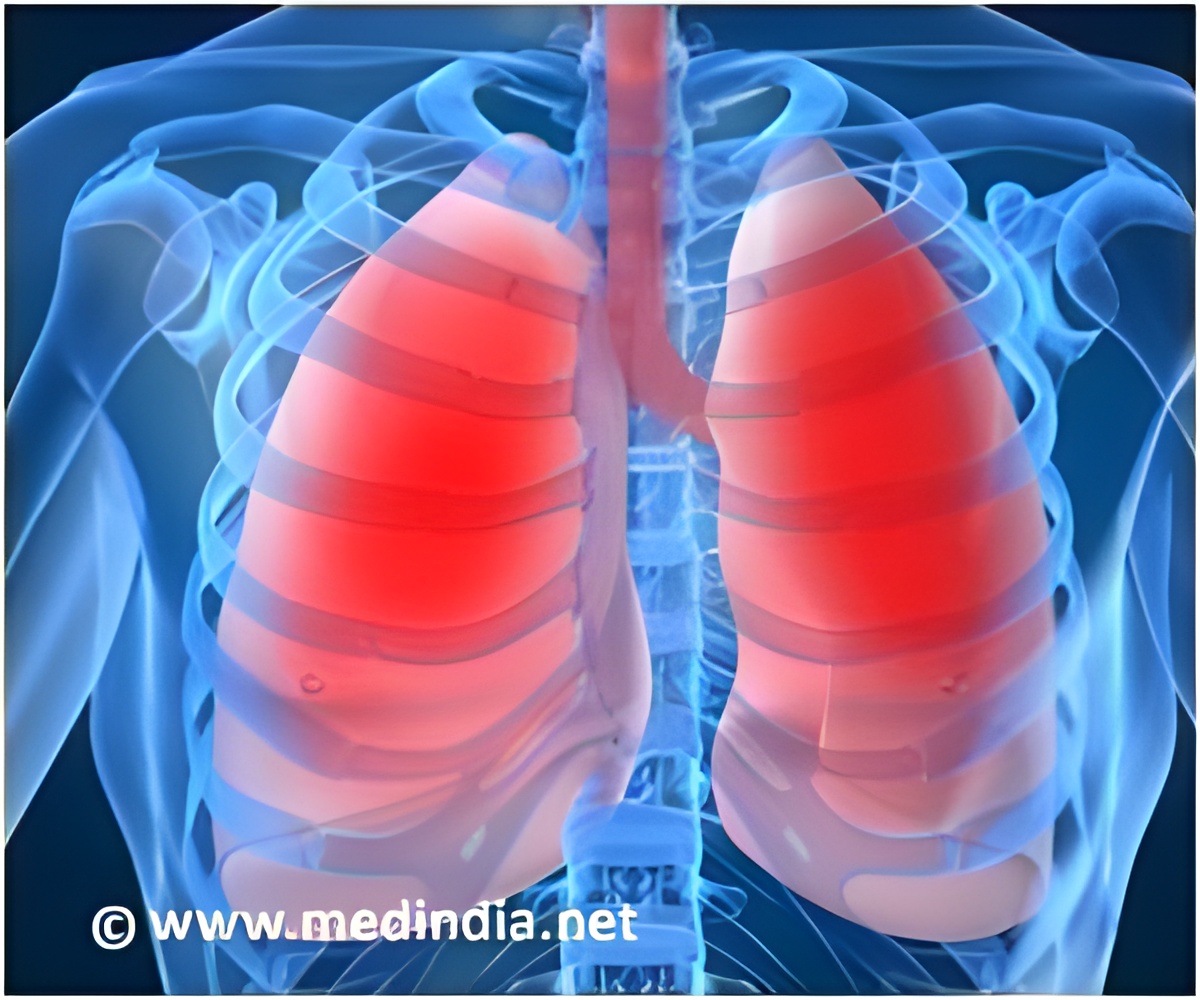
The lungs of healthy people house a number of different microbes that are vastly different from the bacteria present in the lungs of cystic fibrosis patients.
Cystic Fibrosis - Symptoms, Causes, Diagnosis, Treatment, Support Groups
Cystic fibrosis is a genetic disease involving the mucus and sweat glands and the medical world has still to find its cure
Cystic fibrosis is a genetic disease involving the mucus and sweat glands and the medical world has still to find its cure
In contrast, a large body of research had previously shown chronic microbial colonization in the lungs of people with cystic fibrosis, a genetic disease characterized by serious, progressive lung problems and death from respiratory failure. For instance, CF patients are vulnerable to chronic infection with the bacteria Pseudomonas aeruginosa, which can cause pneumonia.
The new study used sputum samples from 16 CF patients and nine healthy control patients. The scientists also analyzed lung tissue samples from seven patients' explanted lungs, the organs removed when the patients received lung transplants. (Three lung-transplant recipients had CF; four had other lung diseases.) The researchers extracted DNA from the sputum and tissue, and selectively copied genes coding for the 16S ribosomal gene sequences, which are found only in bacteria. The resulting genetic material was measured to determine which phyla, or families, of bacteria it came from and the relative contributions of each bacterial phylum to the total bacterial population in the lungs.

About DNA Fingerprinting
DNA fingerprinting is a technique which helps forensic scientists and legal experts solve crimes, identity thefts, legal suits and terrorism cases.
DNA fingerprinting is a technique which helps forensic scientists and legal experts solve crimes, identity thefts, legal suits and terrorism cases.
"I think the tendency toward decreased diversity can be metaphorically viewed as the same phenomenon that might happen in a rainforest," Cornfield said. "When the ecosystem of a rainforest is disturbed and one organism predominates, it undermines a carefully constructed balance and causes disturbances in overall ecosystem. I think it's reasonable to assume something similar could happen in the lung microbiome, where pathogenic bacteria may out-compete organisms that may play a salutary, health-affirming role."
Respiratory Diseases - Diseases of the Human Respiratory System
Respiratory diseases affect any part of the respiratory system. Some of the lung diseases like chronic obstructive pulmonary disease can lead to respiratory failure.
Respiratory diseases affect any part of the respiratory system. Some of the lung diseases like chronic obstructive pulmonary disease can lead to respiratory failure.
In addition, no one is sure how the antibiotics often given to CF patients change the microbes in their lungs.
More questions arise from the fact that bacterial profiles varied within the group of CF patients. CF patients differ widely in their disease progression, even when they have the same disease-causing gene mutations. It is possible that patients' lung function may be linked to the bacteria present in their lungs. The research team now plans to study whether individual patients' bacterial profiles can be used to predict their clinical condition.
Source-Eurekalert
 Email
Email