MEDINDIA
 English
 हिन्दी
 Español
 français
 中文
中文
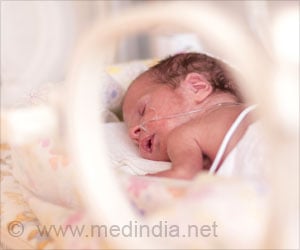
The cause of pre-term premature rupture of the fetal membrane (PPROM), which accounts for 40 per cent of pre-term births has been identified by scientists.

Reducing Preterm Birth Risk for Twin Pregnancies to Half
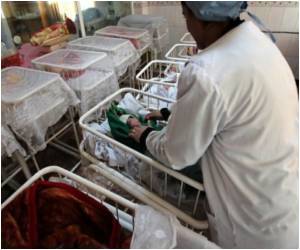
The risk of preterm birth could be reduced to half for a specific group of super high-risk twin pregnancies, found an international research involving the University of Adelaide.
The risk of preterm birth could be reduced to half for a specific group of super high-risk twin pregnancies, found an international research involving the University of Adelaide.
"Wellbeing of Women is committed to funding research which looks at the possible causes of premature birth and offers safe and effective solutions. Premature birth can be very dangerous for mother and baby; and is particularly devastating when babies die. Almost half of premature births occur as a result of waters breaking too early and up until now doctors have not been able to say why this happens.
"This study, co funded by Wellbeing of Women, helps explain why some amniotic sacs, which protect the baby as it grows inside the womb, are more prone to breaking too early - which can lead to premature birth. Going forward, we can now focus on new treatments to address this weakness in the womb tissue and help women who have had previous preterm births feel more confident about their pregnancies and their ability to carry a pregnancy to full term."
Latest Issue of 'Science' Focuses on Challenges of Preterm Birth
A major article about the most important problem in obstetrics; preterm labor, features in the latest issue of the journal Science.
A major article about the most important problem in obstetrics; preterm labor, features in the latest issue of the journal Science.
Source-Eurekalert
Nearly Half of Women at Risk of Preterm Birth Do Not Receive Cheap Drug That Could Prevent Newborn Deaths
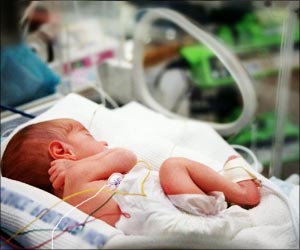
Only half (52%) of women who are eligible to receive a simple, effective, low-cost treatment to prevent death and disability in their newborn babies are getting it, finds a major international study of more than 303 000 births in 29 low-income and middle-income countries.
Only half (52%) of women who are eligible to receive a simple, effective, low-cost treatment to prevent death and disability in their newborn babies are getting it, finds a major international study of more than 303 000 births in 29 low-income and middle-income countries.

Obesity Prior to Pregnancy Linked to Preterm Births
Women who are obese before they become pregnant may have an increased risk of delivering a premature baby, researchers have found
Women who are obese before they become pregnant may have an increased risk of delivering a premature baby, researchers have found
 Email
Email