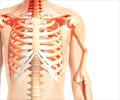
The risk of hip fractures among postmenopausal women who followed the Mediterranean diet was 0.29% lower compared with women who did not adhere to this diet.
Mediterranean Diet - Benefits - Components - Olive Oil - FAQs
Mediterranean diet has long been considered one of the healthiest diets on the planet. This diet plan discourages the use of saturated fats and hydrogenated oils while cooking meals.
Mediterranean diet has long been considered one of the healthiest diets on the planet. This diet plan discourages the use of saturated fats and hydrogenated oils while cooking meals.
‘Postmenopausal women who had closely followed a Mediterranean diet were less likely to suffer a hip fracture compared to other women who followed other diets.
’





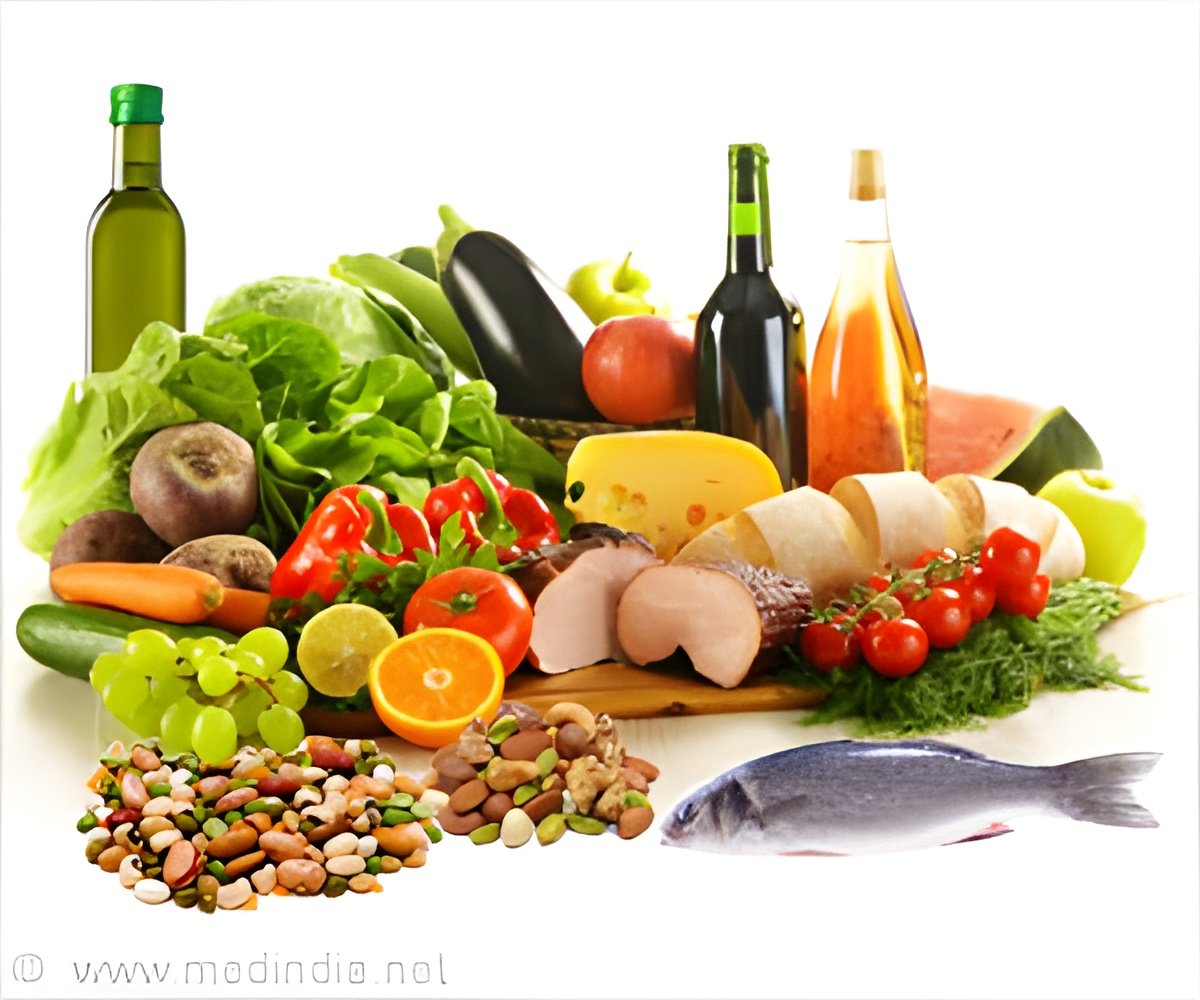
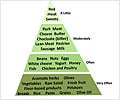
The researchers examined whether diet affected bone health in postmenopausal women. They found that women who followed a Mediterranean diet were slightly less likely to suffer from hip fractures. The Mediterranean diet has been linked to improving heart health and weight loss. The diet involves eating vegetables, fruits, nuts, beans and peas, unrefined grains, olive oil and fish. The amount of meat, dairy and saturated fat intake are limited. But the diet also allows a glass of red wine at dinner.
The study involved 90,014 women with an average age of 64. The participants described their diet in a WHI food frequency questionnaire at the beginning of the study. The dietary patterns were compared to four common healthy diets such as the Mediterranean diet, the Dietary Approaches to Stop Hypertension (DASH) and two others.

Mediterranean Diet Reverses Symptoms of Metabolic Syndrome: Study
A Mediterranean diet supplemented with extra-virgin olive oil or nuts to people with metabolic syndrome may help reverse the condition, shows a scientific study.
A Mediterranean diet supplemented with extra-virgin olive oil or nuts to people with metabolic syndrome may help reverse the condition, shows a scientific study.
"Our results provide assurance that widely recommended eating patterns do not increase the risk of fractures," said lead study author Dr. Bernhard Haring of the University of Wurzburg in Germany.
Advertisement

NICE Guidelines Recommend Mediterranean Diet to Heart Attack Survivors
Heart attack survivors should eat a Mediterranean style diet and should exercise regularly in order to avoid the risk of premature death.
Heart attack survivors should eat a Mediterranean style diet and should exercise regularly in order to avoid the risk of premature death.
Osteoporosis-related fractures are a major burden on health care systems in aging societies, with women particularly affected, said Dr. Haring.
Advertisement
The Mediterranean diet has been linked to benefit brain health, increase life expectancy, aids in weight loss and lower the risk of cancer and cardiovascular diseases.
"At the present time, the U.S. health system almost entirely ignores nutrition in favor of pharmacology and is hugely expensive and ineffective compared to the systems in other countries," wrote Dr. Walter Willett of Harvard School of Public Health, in a related commentary. "Integration of the Mediterranean diet and related dietary patterns into medical practice, hospitals, schools and other institutions has the potential to improve well-being."
The study is published online in JAMA Internal Medicine.
Source-Medindia