MEDINDIA
 English
 हिन्दी
 Español
 français
 中文
中文
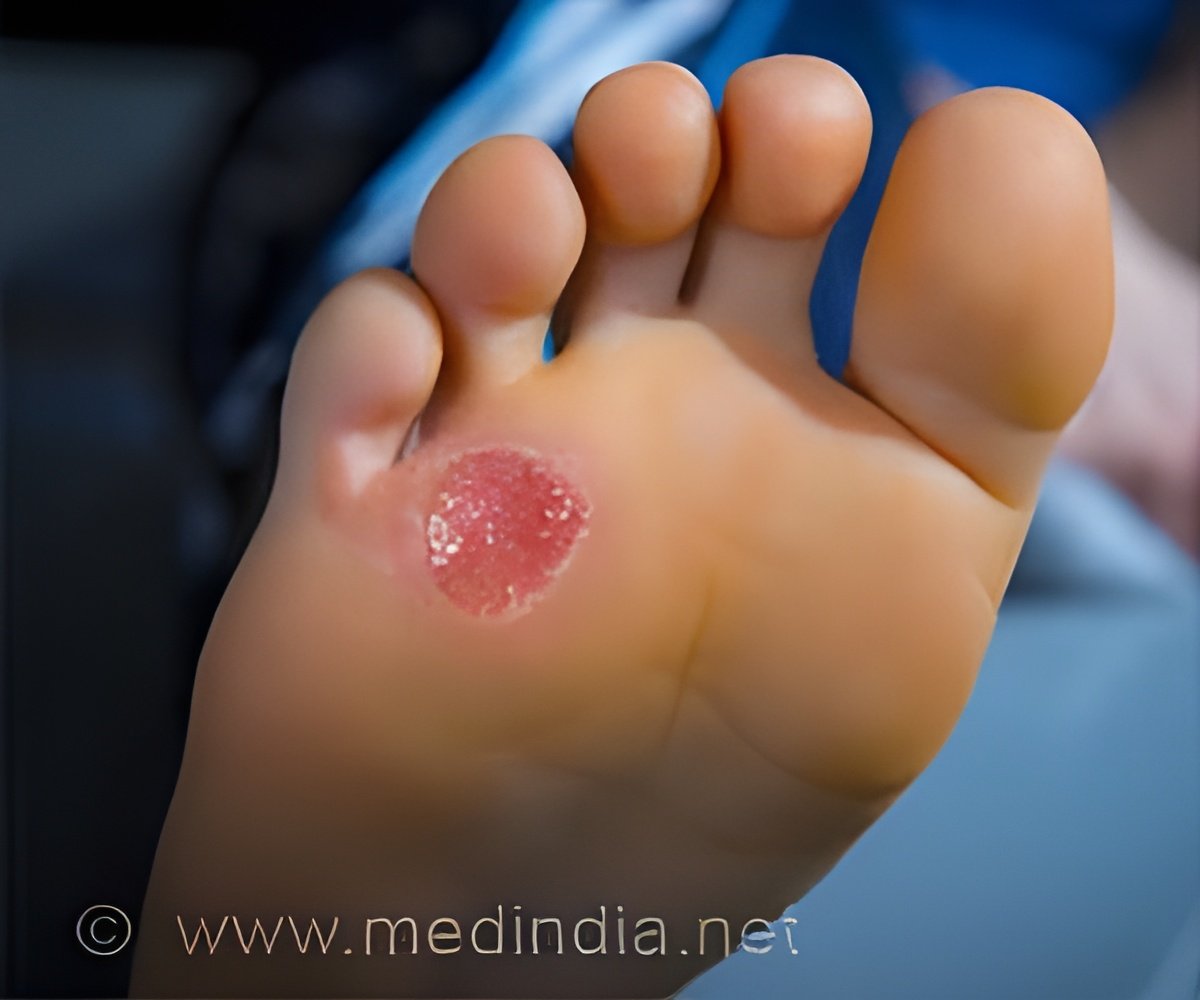
Type 2 diabetics who don't get enough sleep require more time for wound healing.

About Sleep Disorder
Sleep disorders can either be having difficulty in getting sleep or dozing off at inappropriate time.
Sleep disorders can either be having difficulty in getting sleep or dozing off at inappropriate time.
TOP INSIGHT

Type 2 diabetics who don't sleep well require more time to heal their wounds.
The result: the diabetic mice with fragmented sleep needed about 13 days for their wounds to achieve 50 percent healing. By contrast, even with sleep interruptions, the wounds of normal-weight healthy mice reached the same milestone in about five days.
Ralph Lydic, Robert H. Cole Endowed Professor of Neuroscience, co-authored the paper with a multidisciplinary team of researchers at UT Knoxville and the UT Graduate School of Medicine. UT Medical Center surgery resident John Mark McLain was the lead author of the study. He bridged the UT Graduate School of Medicine's Department of Surgery laboratory of Michael D. Karlstad and the UT Graduate School of Medicine's anesthesiology laboratories of Lydic and Helen A. Baghdoyan, another UT psychology professor. Both Baghdoyan and Lydic hold joint appointments in UT's Department of Psychology and UT Graduate School of Medicine's Department of Anesthesiology, as well as at Oak Ridge National Laboratory. UT alumni Wateen Alami and Chris Cooley and graduate student Zachary Glovak also participated in this research.

About Sleep Disturbances
The physical, emotional and hormonal changes that occur in women during puberty, menstrual cycle, pregnancy, and menopause can cause Sleep Disturbances
The physical, emotional and hormonal changes that occur in women during puberty, menstrual cycle, pregnancy, and menopause can cause Sleep Disturbances
In people with Type 2 diabetes, high glucose levels lead to poor blood circulation and nerve damage, making the body more vulnerable to infections, especially after surgery. Sleep disorders can also weaken the immune system and slow healing.
Diabetes Type 1, Type 2 - Causes Symptoms Diagnosis and Treatment FAQs
A comprehensive article on diabetes - both Type 1 and Type 2 diabetes, including : causes, signs, symptoms, diagnosis, treatment, facts and a glossary on diabetes.
A comprehensive article on diabetes - both Type 1 and Type 2 diabetes, including : causes, signs, symptoms, diagnosis, treatment, facts and a glossary on diabetes.
"This is a public health issue, and we want to contribute to a solution," Lydic said.
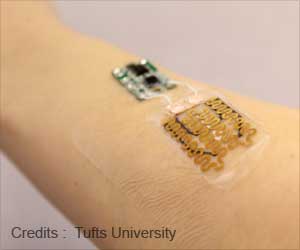
Smart Bandages Improve Healing of Chronic Wounds
Smart bandages that are designed to check how well a wound is healing and to deliver drugs appropriately could change the approach to treatment of chronic wounds
Smart bandages that are designed to check how well a wound is healing and to deliver drugs appropriately could change the approach to treatment of chronic wounds
Lydic plans to continue research on this topic.
"Next we want to explore the effect that specific drugs have on wound healing in these same groups of mice with disrupted sleep."
Source-Eurekalert
 Email
Email