MEDINDIA
 English
 हिन्दी
 Español
 français
 中文
中文
Physical signals exhibited by mental health disorders, like anorexia and panic disorders are interpreted differently but by a common brain region.
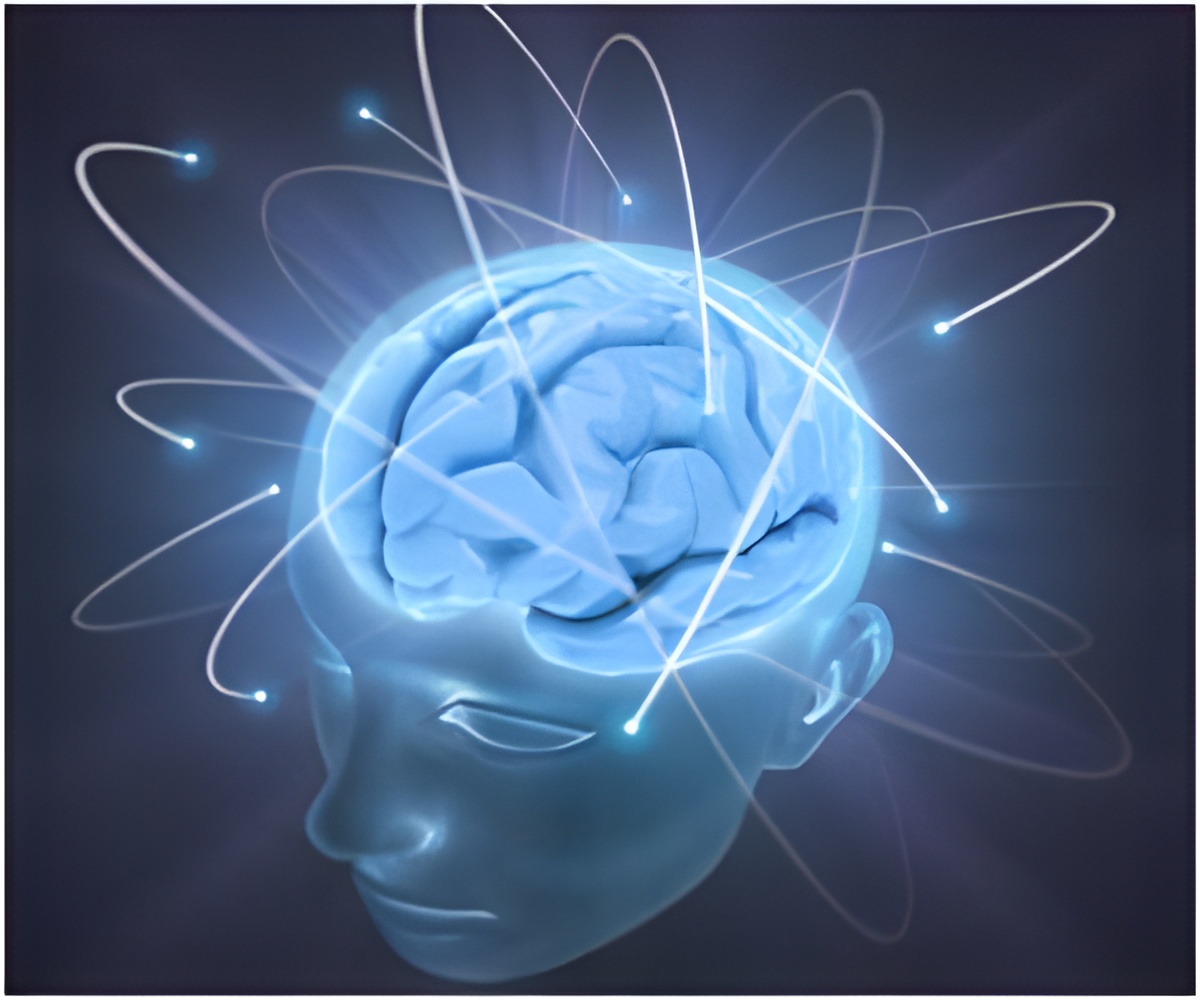

Mental Health - Neurosis vs Psychosis
Mental well-being is a concern and abnormal coping of emotions can lead to neurosis or psychosis. Mental illnesses can range from depression, anxiety, phobias to schizophrenia and affective disorders.
Mental well-being is a concern and abnormal coping of emotions can lead to neurosis or psychosis. Mental illnesses can range from depression, anxiety, phobias to schizophrenia and affective disorders.
TOP INSIGHT

Physical signals exhibited by mental health disorders, like anorexia and panic disorders are interpreted differently. However, a similar region of the brain called the dorsal mid-insula was found to be driving these signals across a range of disorders, including bipolar, depression, schizophrenia, eating disorders, and anxiety disorders, thereby suggesting a new target for treatment.
Interoception and Mental Health
Different activity was found during interoception in a region of the brain called the dorsal mid-insula across a range of disorders, including bipolar, depression, schizophrenia, eating disorders, and anxiety disorders. This suggests that activity in the dorsal mid-insula might be responsible for driving the different interpretations of bodily sensations in mental health.

Psychotherapy | Talk Therapy - Benefits, Individual Therapy, Group Therapy, Techniques
Psychotherapy helps in treating mentally-ill individuals by making them talk with a psychiatrist, psychologist or other mental health provider.
Psychotherapy helps in treating mentally-ill individuals by making them talk with a psychiatrist, psychologist or other mental health provider.
The follow-up analysis found that the dorsal mid-insula does not overlap with regions of the brain altered by antidepressant drugs or regions altered by psychological therapy. This suggests that increased awareness of the differences in how people experience physical symptoms could also be useful for treating mental health disorders with a new target for future therapeutics, such as brain stimulation.
Depression - Symptom Evaluation
Depression occurs due to alterations in the levels of neurotransmitters in the brain.
Depression occurs due to alterations in the levels of neurotransmitters in the brain.
Source-Medindia
Anorexia Nervosa - Types Complications Causes Treatment FAQs
Anorexia nervosa is an eating disorder most commonly found among teenage girls. Anorexia nervosa is characterized by a very low body weight, generally defined as 15% below the Body Mass Index.
Anorexia nervosa is an eating disorder most commonly found among teenage girls. Anorexia nervosa is characterized by a very low body weight, generally defined as 15% below the Body Mass Index.
 Email
Email