MEDINDIA
 English
 हिन्दी
 Español
 français
 中文
中文
The mystery of how the cell's powerhouse, and its energy currency of calcium ion flow, is maintained under different conditions has been solved by researchers.
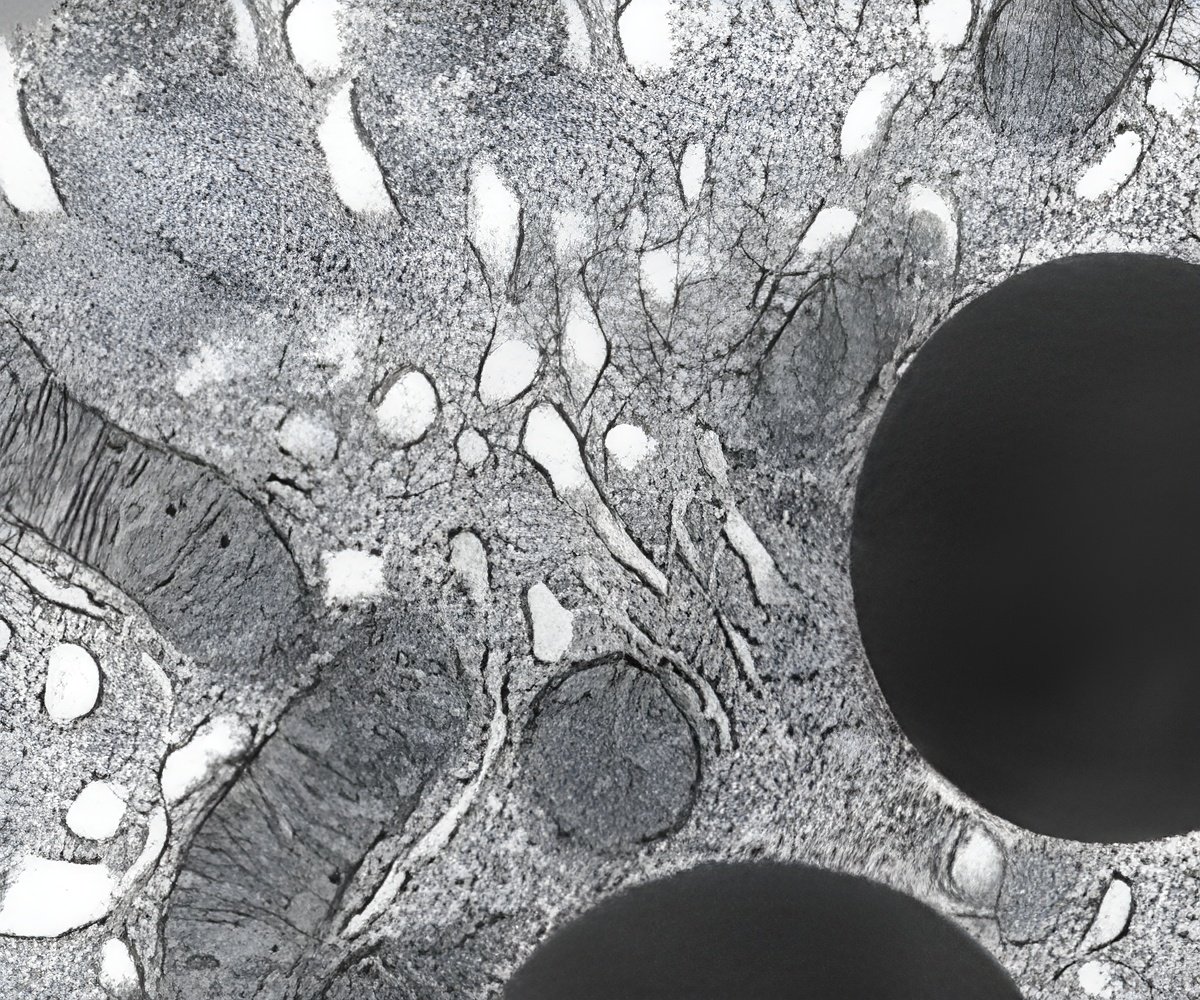

Dynamics of the Mitochondria Explains Why Some People Remain Lean and Others Obese
Becoming obese or remaining lean can depend on the dynamics of the mitochondria, the body's energy-producing 'battery', say researchers.
Becoming obese or remaining lean can depend on the dynamics of the mitochondria, the body's energy-producing 'battery', say researchers.
TOP INSIGHT

A decades-long mystery of how the mitochondria, and its energy currency of calcium ion flow, is maintained under different physiological conditions has been solved by researchers from the Perelman School of Medicine at the University of Pennsylvania.
The findings, reported online in Cell Reports, add important new insights into the gatekeeping mechanism of calcium entry into the cell power unit, called the mitochondria, and may help scientists better understand and target newly identified molecular components that regulate calcium flux.
"Understanding the molecular mechanisms by which mitochondrial calcium levels are regulated may have important implications for designing therapeutic targets for a variety of diseases, including diabetes, stroke, cancer, and age-related neurological diseases that have been related to mitochondrial dysfunction," Foskett said.

Getting Rid of Old Mitochondria- The Tiny Power Plants
It's broadly assumed that cells degrade and recycle their own old or damaged organelles.
It's broadly assumed that cells degrade and recycle their own old or damaged organelles.
Horia Vais, a senior research investigator in the Foskett lab measured calcium ion currents flowing through the MCU. He discovered that the concentration of calcium inside the mitochondria matrix strongly regulates the activity of MCU. The matrix contains enzymes, strands of DNA, protein crystals, glycogen, and lipid and occupies the inner space inside the mitochondria.

Study Sheds Light on Incidence of Rare Mitochondrial Mutations
Supposedly rare mutations in the mitochondria account for more than 7% of patients with a mitochondrial disease manifesting itself as a respiratory deficiency, French scientists have found.
Supposedly rare mutations in the mitochondria account for more than 7% of patients with a mitochondrial disease manifesting itself as a respiratory deficiency, French scientists have found.
The authors established that one end of an MCU-associated membrane, called EMRE, resided in the mitochondrial matrix and contained acidic amino acids resembling calcium-sensing regions of other ion channels. Neutralizing these regions completely abolished calcium regulation, and the mitochondria became overloaded with calcium.

Scientists Unmask Mitochondrial Troublemakers in Lupus
Researchers are discovering more about how these chemicals and other mitochondrial materials provoke the body's self-attack in systemic lupus erythematosus.
Researchers are discovering more about how these chemicals and other mitochondrial materials provoke the body's self-attack in systemic lupus erythematosus.
Co-first author Karthik Mallilankaraman, a postdoctoral fellow in the Foskett lab who is now an assistant professor of Physiology at the National University of Singapore, said, "Our study unravels the mystery of the mitochondrial gatekeeping mechanism. We have shown that mitochondria are protected from calcium overload by components on either side of the mitochondrial inner membrane - MICU proteins on one side and matrix calcium on the other - coupled by EMRE."
Source-Eurekalert
 Email
Email