MEDINDIA
 English
 हिन्दी
 Español
 français
 中文
中文
A new study has revealed that children exposed to second-hand smoke are more prone to invasive meningococcal disease than children who are not exposed.

Meningitis - Causes - Symptoms - Diagnosis - Treatment - FAQs
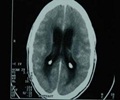
Meninges are the three layers of membrane that cover the brain and infection of the cerebrospinal fluid between them causes meningitis the disease of the meninges.
Meninges are the three layers of membrane that cover the brain and infection of the cerebrospinal fluid between them causes meningitis the disease of the meninges.
They found that exposure to second-hand smoke doubled the likelihood of invasive meningococcal disease (with a total odds ratio for second hand smoke exposure of 2.02).
Although there was an increase in the risk of developing invasive pneumococcal disease and Haemophilus influenzae type b, this increase could not be distinguished from chance finding, because a relatively small number of studies were available.

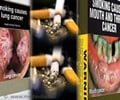
Why smoking can kill you
Every cigarette you smoke is causing irreversible damage to your body; slowly killing you from the inside. It also endangers those around you, your family and children.
Every cigarette you smoke is causing irreversible damage to your body; slowly killing you from the inside. It also endangers those around you, your family and children.
The effects were generally stronger in the youngest children, those below 6 years of age, who are more vulnerable.

Smoking Risk Calculator
Do you smoke cigarettes daily? Use medindia smoking risk calculator and calculate your reduced Life Span due to Smoking.
Do you smoke cigarettes daily? Use medindia smoking risk calculator and calculate your reduced Life Span due to Smoking.
Such a reduction would be particularly beneficial in poor countries, where vaccination against invasive bacterial diseases is low.

Second Hand Smoke Has Serious Consequence on a Child's Heart
Finnish Research study has found that exposure even a small amount of smoke found in the environment can have a serious and harmful impact on the cardiovascular system of a healthy school child.
Finnish Research study has found that exposure even a small amount of smoke found in the environment can have a serious and harmful impact on the cardiovascular system of a healthy school child.
The study is published in the current issue of PLoS Medicine.
Source-ANI
 Email
Email