MEDINDIA
 English
 हिन्दी
 Español
 français
 中文
中文
The cash register receipts has led to the contamination of paper money with bisphenol A (BPA).

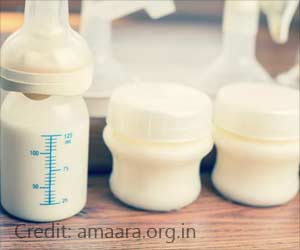
China Bans Use of Bisphenol A in Babies' Bottles
China has banned the use of Bisphenol A (BPA), an endocrine disruptor, in the production of babies' bottles in order to protect the health of infants.
China has banned the use of Bisphenol A (BPA), an endocrine disruptor, in the production of babies' bottles in order to protect the health of infants.
Kannan and Liao also found that the most likely source of the BPA in the currency is the thermal paper used in cash register receipts. They showed that receipts can transfer BPA onto cash when placed next to it or when a receipt is touched before handling currency. "Although high levels of BPA were measured in paper currencies, human exposure through dermal [skin] absorption appears to be minor," the article notes.
Source-Eurekalert

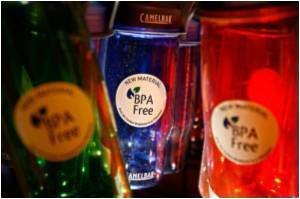
Europe may Soon Enforce a Ban on Baby Bottles With Bisphenol-A
Europe is likely to enforce a ban on baby bottles which contain the chemical Bisphenol-A,owing to its adverse effects on child health, the European Commission said.
Europe is likely to enforce a ban on baby bottles which contain the chemical Bisphenol-A,owing to its adverse effects on child health, the European Commission said.
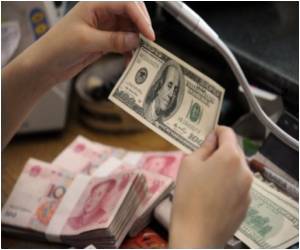
Cancer Chemical in Receipts, Paper Money
Till receipts and paper money indicate the presence of high levels of bisphenol A (BPA), a chemical that is associated with cancer and early puberty.
Till receipts and paper money indicate the presence of high levels of bisphenol A (BPA), a chemical that is associated with cancer and early puberty.

Flu Virus can Survive on Currencies for More Than Two Weeks: Study
Forget retail therapy for some relief from that winter cold -- a study by Swiss scientists revealed on Wednesday that the flu virus can nestle and survive on banknotes for more than two weeks.
Forget retail therapy for some relief from that winter cold -- a study by Swiss scientists revealed on Wednesday that the flu virus can nestle and survive on banknotes for more than two weeks.
 Email
Email