MEDINDIA
 English
 हिन्दी
 Español
 français
 中文
中文
Patients who survived the fatal lung disease find their subsequent quality of life has more to do with lifestyle factors than how sick they were in the hospital.
Acute Respiratory Distress Syndrome - Causes Diagnosis Treatment Complications FAQ
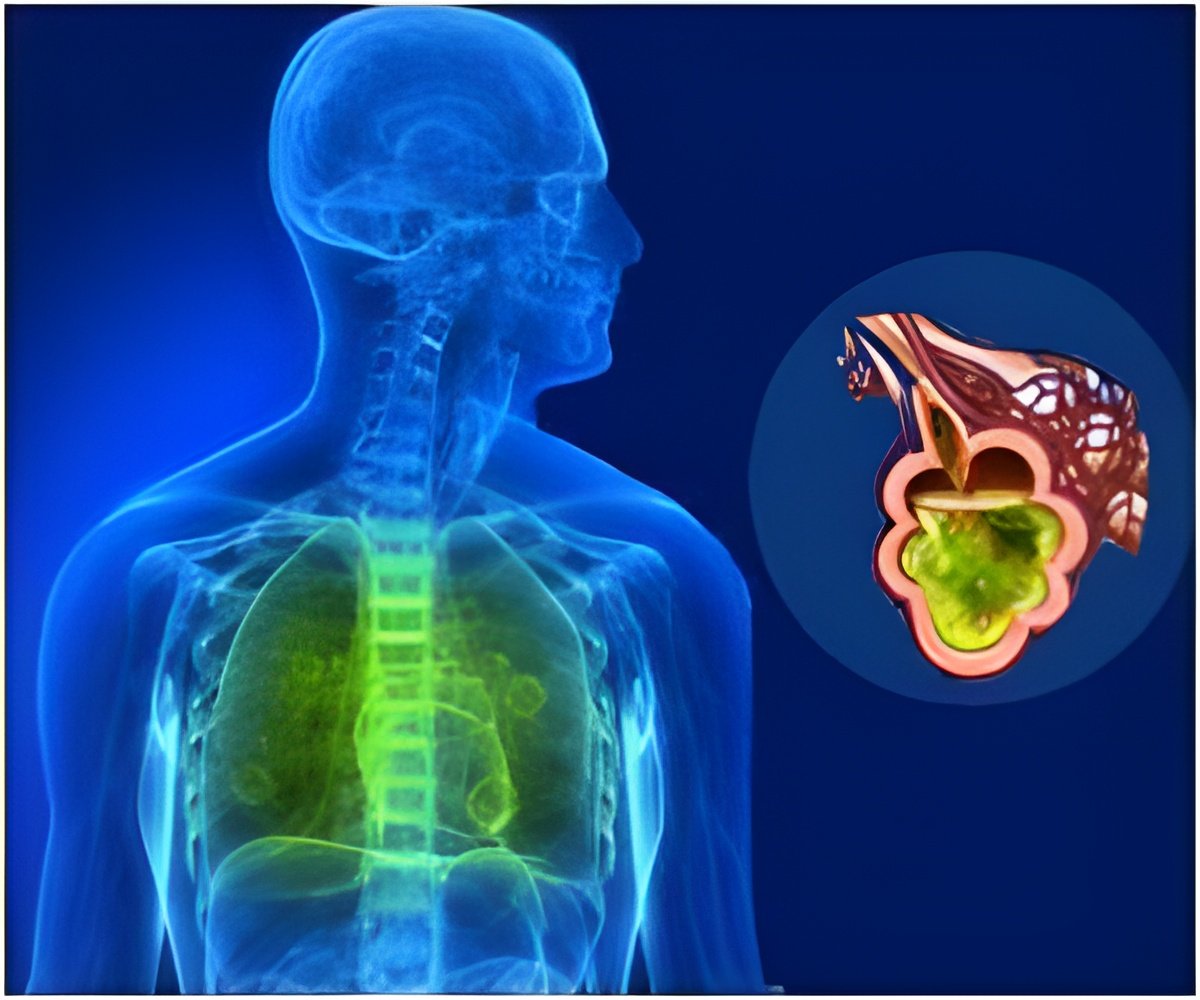
ARDS is a lung condition where the patient suffers from sudden breathlessness, low blood oxygen levels and lung inflammation that could progress to respiratory failure.
ARDS is a lung condition where the patient suffers from sudden breathlessness, low blood oxygen levels and lung inflammation that could progress to respiratory failure.
TOP INSIGHT

Patients who survived the fatal lung disease find their subsequent quality of life has more to do with lifestyle factors than how sick they were in the hospital.
The findings showed that patient's acuity or level of illness was not a significant marker in their subsequent quality of life but lifestyle factors, specifically obesity and smoking, were associated with a worse quality of life rating.
The main complication in ARDS is that fluid leaks into the lungs making breathing difficult or impossible - and making it difficult to get oxygen into the blood. Most people who get ARDS are already in the hospital for trauma or illness and are unable to breathe on their own without support from a ventilator.
Surgical Patients of Acute Respiratory Distress Syndrome at Risk of Death
A leading cause of respiratory failure after surgery is acute respiratory distress syndrome.
A leading cause of respiratory failure after surgery is acute respiratory distress syndrome.
"The ICU and the critical care environment are so focused on life-and-death issues, and we're so busy as clinicians, that we often don't have time to think about lifestyle factors, such as obesity and smoking and the role they play in our patient's long-term quality of life. Our study emphasizes the need for us to do more of that," Brown added in the study published in the journal Thorax.
Exercise Improves Patients Suffering From Acute Respiratory Distress Syndrome
Doctors at Wake Forest Baptist Medical Center have now found a different treatment for Acute respiratory distress syndrome (ARDS).
Doctors at Wake Forest Baptist Medical Center have now found a different treatment for Acute respiratory distress syndrome (ARDS).
Source-IANS
Definition of Acute Respiratory Distress Syndrome, Revised by International Panel
Team develops latest definition of ARDS (the Berlin Definition), which focuses on feasibility, reliability, validity and objective evaluation of its performance.
Team develops latest definition of ARDS (the Berlin Definition), which focuses on feasibility, reliability, validity and objective evaluation of its performance.
 Email
Email