MEDINDIA
 English
 हिन्दी
 Español
 français
 中文
中文
A new developed flexible, mechanically stable, disposable sensor can monitor proteins circulating in the blood indicating the onset of a heart attack.
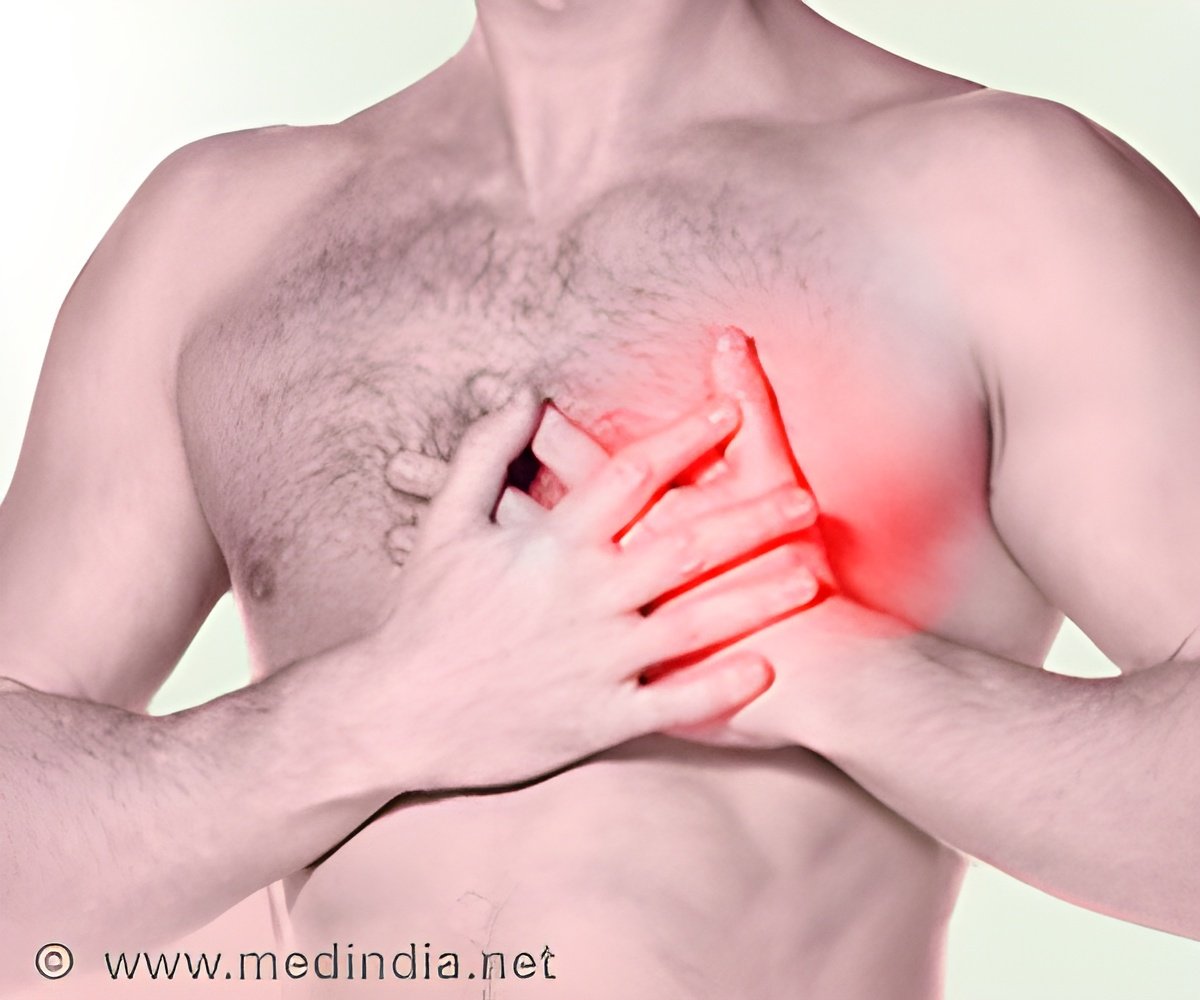

Heart Attack - Overview
Heart attack is the death of the heart muscle due to loss of blood supply. Heart disease is the leading cause of death in the United States. Other names for heart attack include acute myocardial infarction, coronary thrombosis, and coronary occlusion.
Heart attack is the death of the heart muscle due to loss of blood supply. Heart disease is the leading cause of death in the United States. Other names for heart attack include acute myocardial infarction, coronary thrombosis, and coronary occlusion.
TOP INSIGHT

A newly developed flexible, mechanically stable, disposable sensor can monitor proteins circulating in the blood that are released from damaged heart muscle cells at the onset of a heart attack.
Prasad and biomedical engineering doctoral student Nandhinee Radha Shanmugam have developed a flexible, mechanically stable, disposable sensor for monitoring proteins circulating in the blood that are released from damaged heart muscle cells at the onset of a heart attack.
Troponins can be found in the blood within about four hours after a heart attack, and for up to several days.

Tips to Prevent Heart Attacks
Heart Attack occurs when the flow of oxygenated blood to heart muscles is hindered or stopped due to built-up of plaques in coronary arteries. Heart Attack is the No.1 killer among Indians.
Heart Attack occurs when the flow of oxygenated blood to heart muscles is hindered or stopped due to built-up of plaques in coronary arteries. Heart Attack is the No.1 killer among Indians.
The key to the sensor's performance is the way Prasad's group incorporated nanostructures into the device's zinc oxide electrodes. The nanostructures enhance the binding of the troponins to the electrode's surface, making the device ultrasensitive.

What is a Heart Attack | How to Prevent Heart Attacks - Myocardial Infraction Smoking
Heart attack is the death of the heart muscle due to loss of blood supply. Simple guidelines to avoid heart attack are listed.
Heart attack is the death of the heart muscle due to loss of blood supply. Simple guidelines to avoid heart attack are listed.
The researchers recently described the technology in the online open-access journal Scientific Reports, part of Nature Publishing Group.

Treatment for Sleep Apnea May Not Reduce Heart Attack Risk
Sleep Apnea treatment made no difference to patients with regard to heart attack but they experienced reduced snoring, daytime sleepiness and better mood.
Sleep Apnea treatment made no difference to patients with regard to heart attack but they experienced reduced snoring, daytime sleepiness and better mood.
 Email
Email