MEDINDIA
 English
 हिन्दी
 Español
 français
 中文
中文
A device that can rapidly identify harmful bacteria and can determine whether it is resistant to antibiotics has been invented by researchers.
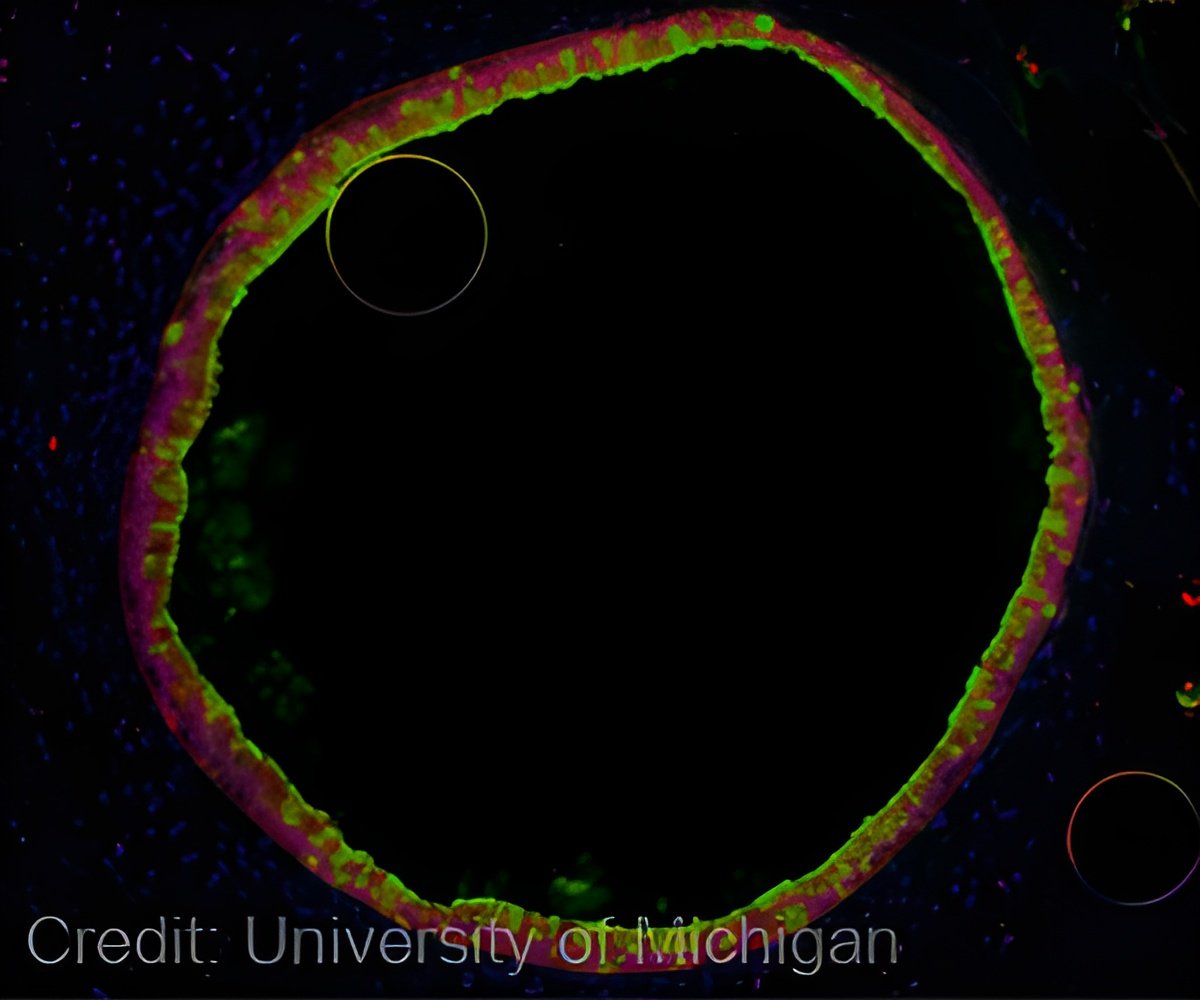

Secrets of Bacterial Immune System are Being Probed by Researchers
The secrets of a surprisingly flexible bacterial immune system, called CRISPR-Cas, are being unlocked by researchers.
The secrets of a surprisingly flexible bacterial immune system, called CRISPR-Cas, are being unlocked by researchers.
TOP INSIGHT

A device that can rapidly identify harmful bacteria and can determine whether it is resistant to antibiotics has been invented by researchers.
The main feature of the device is a cantilever, a plank that resembles a diving board that has a microfluidic channel 25 times smaller than the width of a hair etched on its surface. The channel is coated with biomaterials, like antibodies, that harmful bacteria like E. coli or Listeria in fluid samples stick to. When bacteria are caught, the device sends out three different signals to the researchers. When bacteria is detected the cantilever's mass changes, and it bends, explained researcher Thomas Thundat.
"So, this gives us two signals: the mass change and the bending action by shining infrared light on the bacteria, a third signal is sent, he added. If the bacterial absorbs the light it begins to vibrate, generating a minute amount of heat that sends a confirmation signal. Having three detection methods means there is no ambiguity, he said.
How an Intestinal Microbe Protects Against Other, More Dangerous Bacteria
An enzyme produced by a common intestinal microbe can protect the guts of worms and mammals alike from attack by harmful bacteria, suggested a new study.
An enzyme produced by a common intestinal microbe can protect the guts of worms and mammals alike from attack by harmful bacteria, suggested a new study.
"We're trying to find a way to fight bacterial resistance to drugs and prevent or at least decrease the spread of drug-resistant strains," said Hashem Etayash, a researcher. Adding, "We're able to do several tests in a very short period of time and we can quickly identify bugs that can resist antibiotics."

Role of Gut Bacteria in Disease Processes in Age-Related Brain Degenerations
Exposure to bacterial proteins called amyloid leads to an increase in clumping of the protein alpha-synuclein in the brain, causing neurodegenerative diseases.
Exposure to bacterial proteins called amyloid leads to an increase in clumping of the protein alpha-synuclein in the brain, causing neurodegenerative diseases.
The research was published in Nature Communications journal.

Global Warming Collapses Symbiotic Gut Bacteria
Heat-susceptible bacteria living symbiotically in the guts of insects when exposed to higher temperatures, both the bacteria and the insect are negatively impacted and can die, finds new study.
Heat-susceptible bacteria living symbiotically in the guts of insects when exposed to higher temperatures, both the bacteria and the insect are negatively impacted and can die, finds new study.
 Email
Email