MEDINDIA
 English
 हिन्दी
 Español
 français
 中文
中文
A new antibiotic- epifadin, which is produced in the human nose's inner mucous membrane, is efficient against harmful germs.
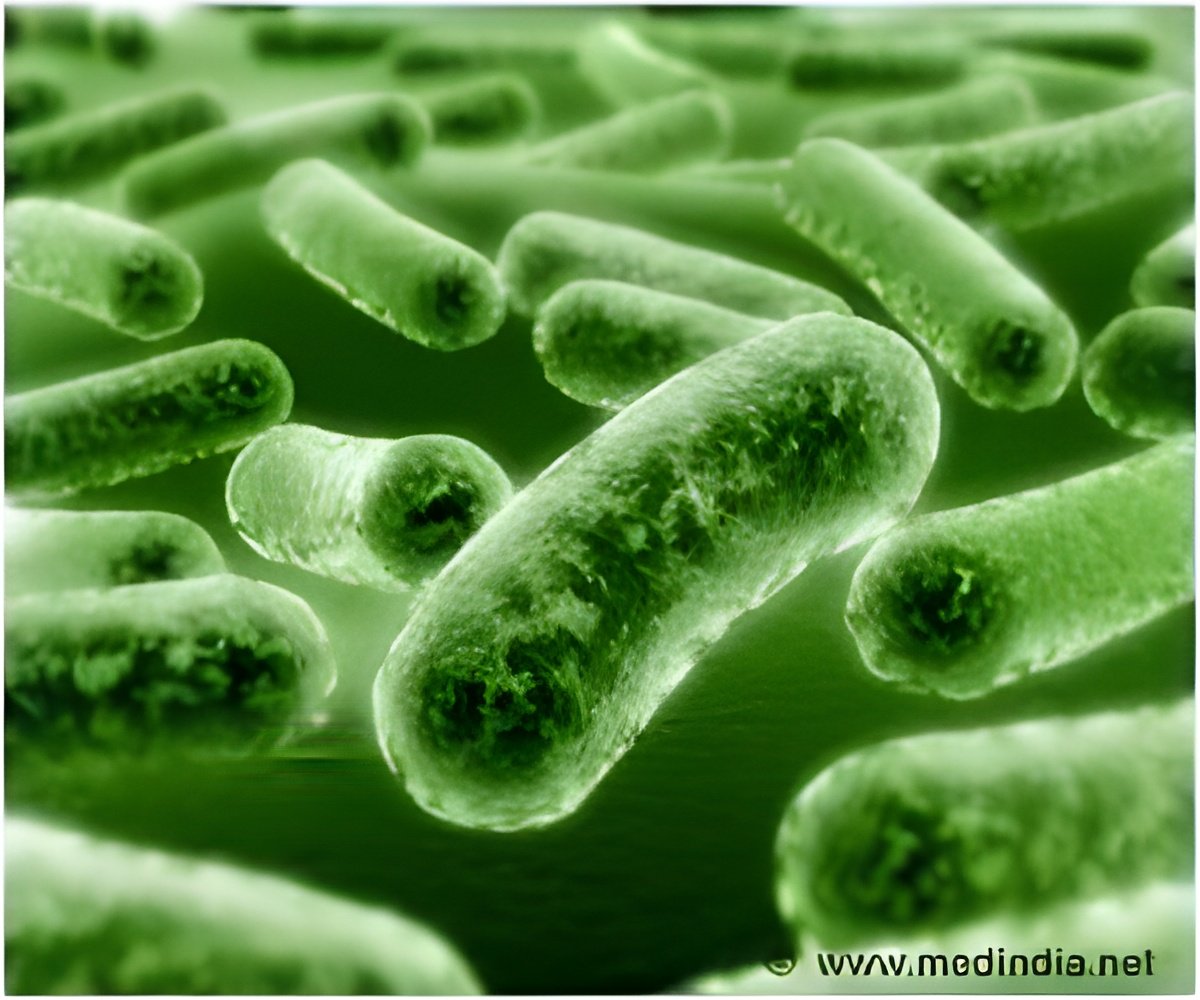
Antibiotics right under our nose
Go to source).
Epifadin- The New Antibiotic To Combat Multi-Drug Resistant Bacteria
Strains that produce epifadin can also be isolated on the surface of the skin. Epifadin constitutes a new, previously unknown class of antimicrobial compounds that kills microorganisms. The team in 2016, had, discovered an unknown antibiotic substance with a unique structure – Lugdunin. Epifadin is now the second discovery of this kind that this working group has made in the human microbiome.
Antibiotics - Use and Abuse
Antibiotics are among the most used and abused medications. This article explains some general features about antibiotics.
Antibiotics are among the most used and abused medications. This article explains some general features about antibiotics.
TOP INSIGHT

Epifadin mostly acts locally because of its highly unstable chemical composition and short half-life. #epifadin #anitbiotic #multiresistantbugs #infection
The human nose, skin, and intestine are colonized by both benign and pathogenic bacteria. These microorganisms live together in what are called microbiomes. If the microbiome becomes unbalanced, pathogens can increase and we become ill.
The bacterium Staphylococcus epidermidis occurs naturally in the dermal and nasal microbiomes of almost all humans. The newly-identified strain is believed to produce the active substance epifadin to survive against competing microorganisms. Epifadin not only works against the bacteria that are locally in competition with Staphylococcus epidermidis, but it is also effective against bacteria from other habitats such as the intestine and certain fungi.
Test your Knowledge on Antibiotic Resistance
Antibiotic resistance is a growing public health concern that has reached gigantic proportions. Antibiotic resistance is a change that occurs in bacteria when they are exposed to antibiotics used to treat infections caused by them. This change makes ...
Antibiotic resistance is a growing public health concern that has reached gigantic proportions. Antibiotic resistance is a change that occurs in bacteria when they are exposed to antibiotics used to treat infections caused by them. This change makes ...
In experiments, the active substance epifadin reliably killed the pathogen Staphylococcus aureus, destroying hostile bacterial cells by damaging their cell membrane. The chemical structure of epifadin is extremely unstable and the substance is only active for a very few hours, so epifadin has a mainly local effect. This reduces the likelihood of collateral damage to the microbiome which is common with current treatments with broad-spectrum antibiotics.

Quiz on Bacterial Infections
Bacteria the tiny single-celled organisms are responsible for a range of infections. Bacteria can be beneficial as in the case of gut bacteria that help digest food. Bacteria that cause infection are known as pathogenic bacteria and can be treated ...
Bacteria the tiny single-celled organisms are responsible for a range of infections. Bacteria can be beneficial as in the case of gut bacteria that help digest food. Bacteria that cause infection are known as pathogenic bacteria and can be treated ...
Reference:
- Antibiotics right under our nose - (https://www.nature.com/articles/535501a)

New Anti-microbials to Tackle Multidrug-resistant Bacteria
New antimicrobials, which could be used to treat infections caused by multidrug-resistant bacteria have been developed.
New antimicrobials, which could be used to treat infections caused by multidrug-resistant bacteria have been developed.
 Email
Email