MEDINDIA
 English
 हिन्दी
 Español
 français
 中文
中文
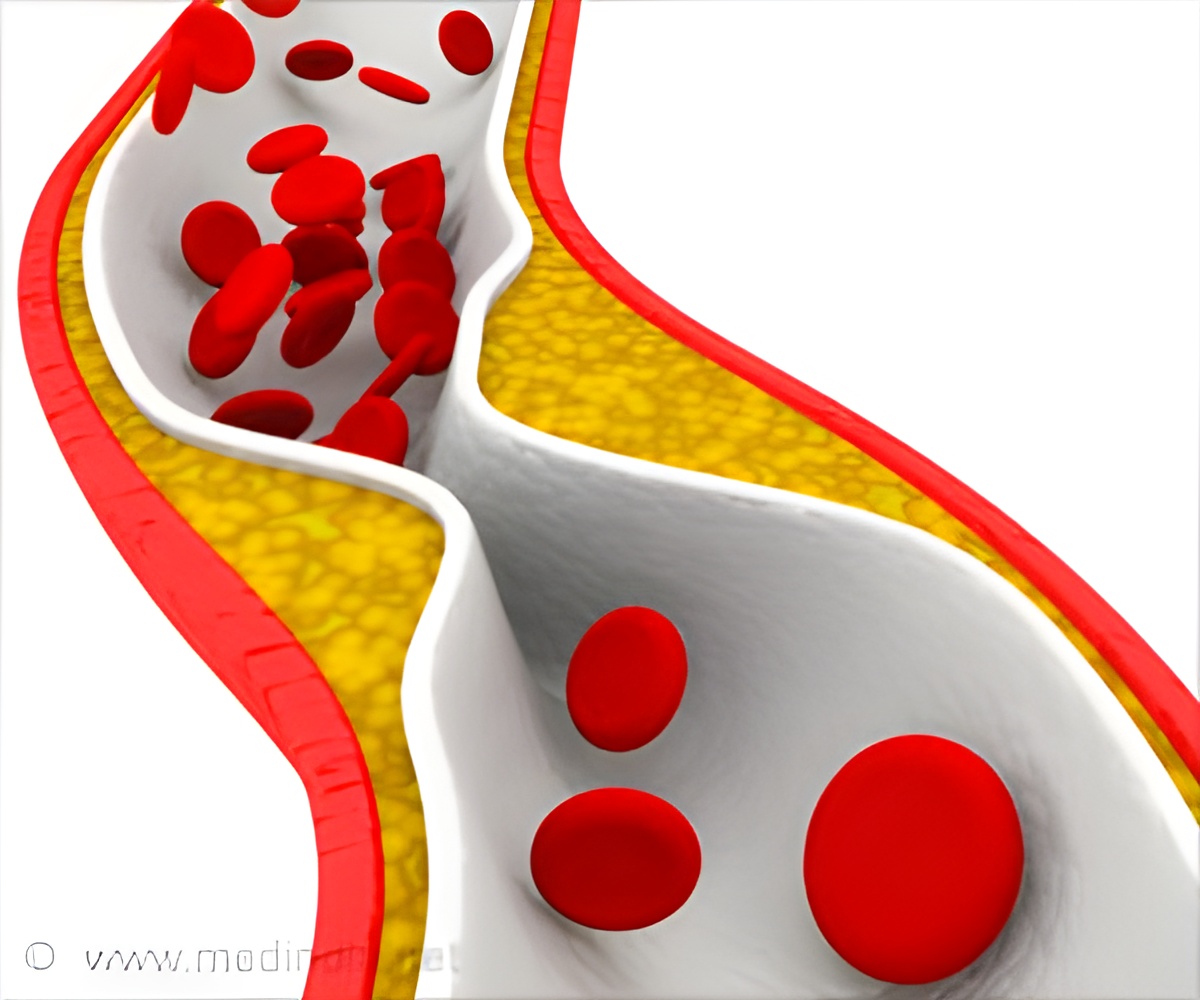
To treat atherosclerosis (heart disease) and other inflammatory diseases, synthetic peptides have been developed. These peptides specifically inhibit chemokine mechanisms that promote atherosclerosis.

Biomarker For Atherosclerosis Identified
Mitochondrial protein ALDH4A1 is identified as a new biomarker along with a specific antibody A12 as a target for atherosclerosis.
Mitochondrial protein ALDH4A1 is identified as a new biomarker along with a specific antibody A12 as a target for atherosclerosis.
TOP INSIGHT

To treat atherosclerosis and other inflammatory diseases, synthetic peptides have been developed. These peptides are able to specifically inhibit chemokine mechanisms that promote atherosclerosis. Chemokine mechanisms that control important physiological processes in the body are not affected.
Read More..
New Class Of Peptides Against Atherosclerosis
Chemokines can lead to the migration of immune cells in our bodies and they are the key players in inflammatory diseases like atherosclerosis. Hence, they are of great interest to biomedical researchers.
Atherosclerosis - Causes, Symptoms, Prevention & Treatment
Atherosclerosis is a condition in which the arteries become hard and narrow, leading to restricted blood flow.
Atherosclerosis is a condition in which the arteries become hard and narrow, leading to restricted blood flow.
Earlier studies have shown the effectiveness of therapeutics related to cytokines and chemokines but these drugs interfered with the effect of these mediators on atherosclerosis and also suppressed their beneficial effects like those related to the host defense against infections.
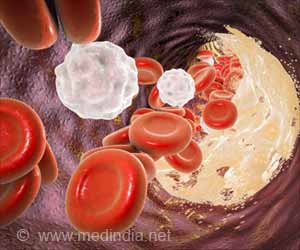
T Cells' Role in Atherosclerosis Explored
Certain T lymphocytes that help fight atherosclerosis, can end up increasing inflammation and making atherosclerosis cases even worse.
Certain T lymphocytes that help fight atherosclerosis, can end up increasing inflammation and making atherosclerosis cases even worse.
Prof Jürgen Bernhagen from the Institute for Stroke and Dementia Research (ISD) at the LMU University Hospital said that the approach was validated only in an animal model of atherosclerosis but future clinical applications are possible particularly due to the fact that peptide-based therapeutics are substantially less expensive than antibodies.
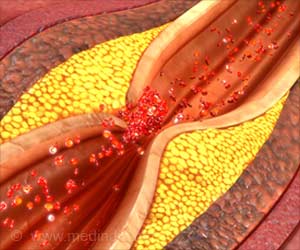
Nanoparticle Drug Combination Could Treat Atherosclerosis
Physicochemical cargo-switching nanoparticles (CSNP) designed by KAIST can help significantly reduce cholesterol and macrophage foam cells in arteries.
Physicochemical cargo-switching nanoparticles (CSNP) designed by KAIST can help significantly reduce cholesterol and macrophage foam cells in arteries.
The researchers said that the results give a proof-of-principle of their approach and these findings show that the concepts based on mini-chemokine-receptor mimics are feasible and suggest that this kind of concept could potentially be applied to other chemokines as well.
This new molecular concept bears therapeutic potential for atherosclerosis and other inflammatory diseases.
Source-Medindia
 Email
Email