MEDINDIA
 English
 हिन्दी
 Español
 français
 中文
中文
A new study showed key differences in the ways individuals with autism spectrum disorder (ASD) processed or reacted to stimuli compared to those who were more neurotypical.

Autism Causes, Symptoms, Diagnosis, Treatment, Prognosis
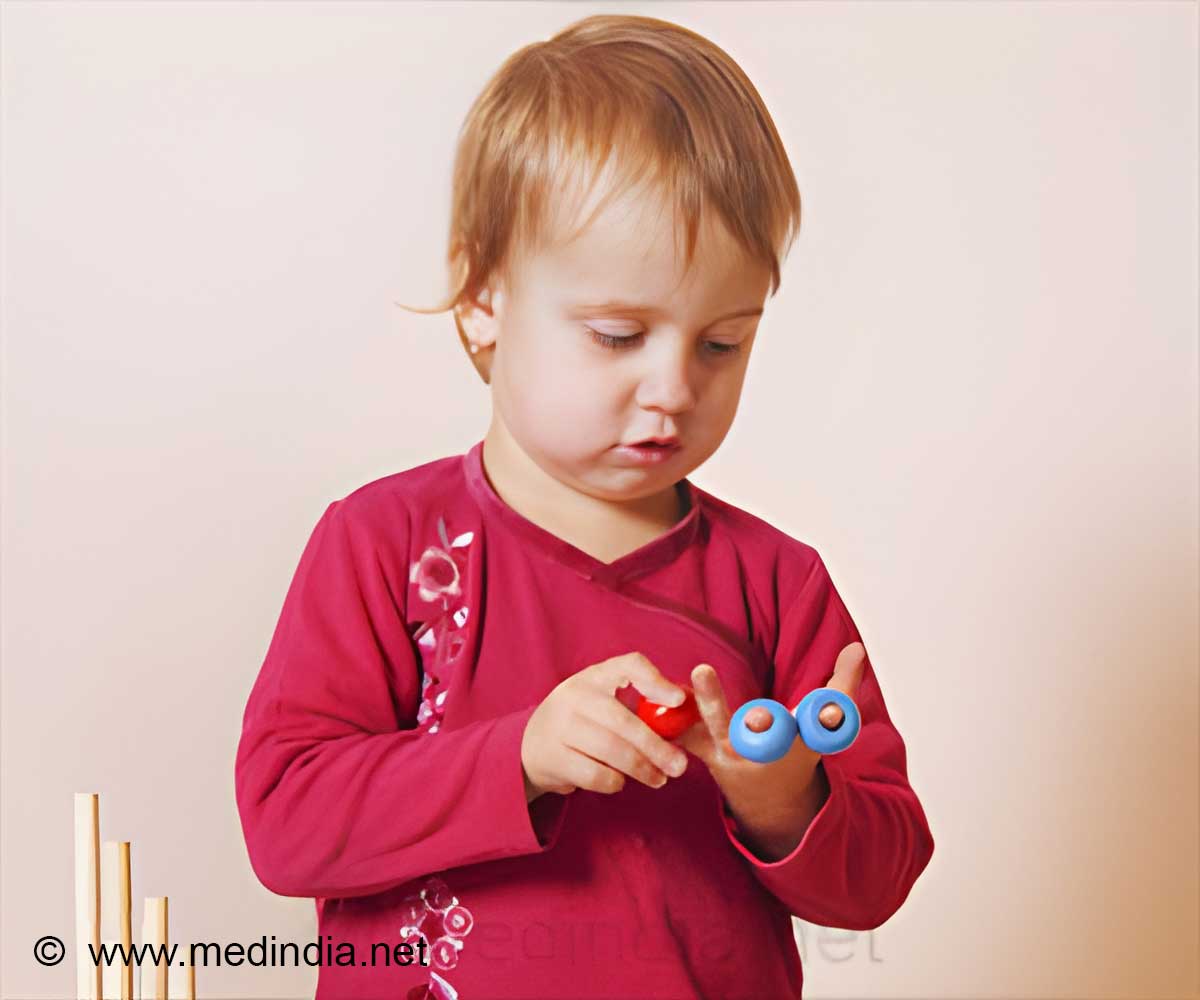
Autism is a neurodevelopmental disorder typically characterized by impaired social and communication skills combined with repetitive movements.
Autism is a neurodevelopmental disorder typically characterized by impaired social and communication skills combined with repetitive movements.
TOP INSIGHT

Variation among sensorimotor behaviors of autism spectrum disorder (ASD) individuals are discovered.
Using motor behavior features of precision grip and eye movement, we will be able to develop a more complete picture of what sensorimotor deficits look like in ASD and how those may vary across individuals.
Previous study findings show that ASD can affect the ability to rapidly process sensory feedback and translate changes in information into a precise motor movement using feedback and feed-forward systems.

Autism Risk Can Now be Predicted by Sperm Analysis
Autism risk can be accurately predicted before birth by detecting any de novo mutations in the father’s sperms. The presence of these mutations significantly increases the risk of autism in future children.
Autism risk can be accurately predicted before birth by detecting any de novo mutations in the father’s sperms. The presence of these mutations significantly increases the risk of autism in future children.
Feed-forward systems are responsible for carrying out actions that are very rapid and happen too quickly for sensory feedback to be processed in the brain.
Rare Genetic Mutations Predict Intellectual Disability in Autism Spectrum Disorder (ASD)
Novel computational model identifies the genes linked to autism that helps in predicting the level of intellectual disability in people with autism spectrum disorders (ASD).
Novel computational model identifies the genes linked to autism that helps in predicting the level of intellectual disability in people with autism spectrum disorders (ASD).
The results also suggest that measuring precision grip variability at a low force level can help to differentiate children with ASD from typically developing children, with potential for early intervention.

Top 15 Toxic Chemicals Affecting Brain Development In Children
Toxic chemicals found in the environment in the air, water, soil and even in day to day stuff we use can cause irreversible brain damage in infants and children. Learn more about toxic exposures and how to protect your child.
Toxic chemicals found in the environment in the air, water, soil and even in day to day stuff we use can cause irreversible brain damage in infants and children. Learn more about toxic exposures and how to protect your child.
Reduced hemispheric specialization can impact development of other key cognitive and behavioral abilities associated with ASD, such as language.
The research also reflects that scientists need to look across multiple systems to understand sensorimotor issues in people with ASD.
Source-Medindia
 Email
Email