MEDINDIA
 English
 हिन्दी
 Español
 français
 中文
中文
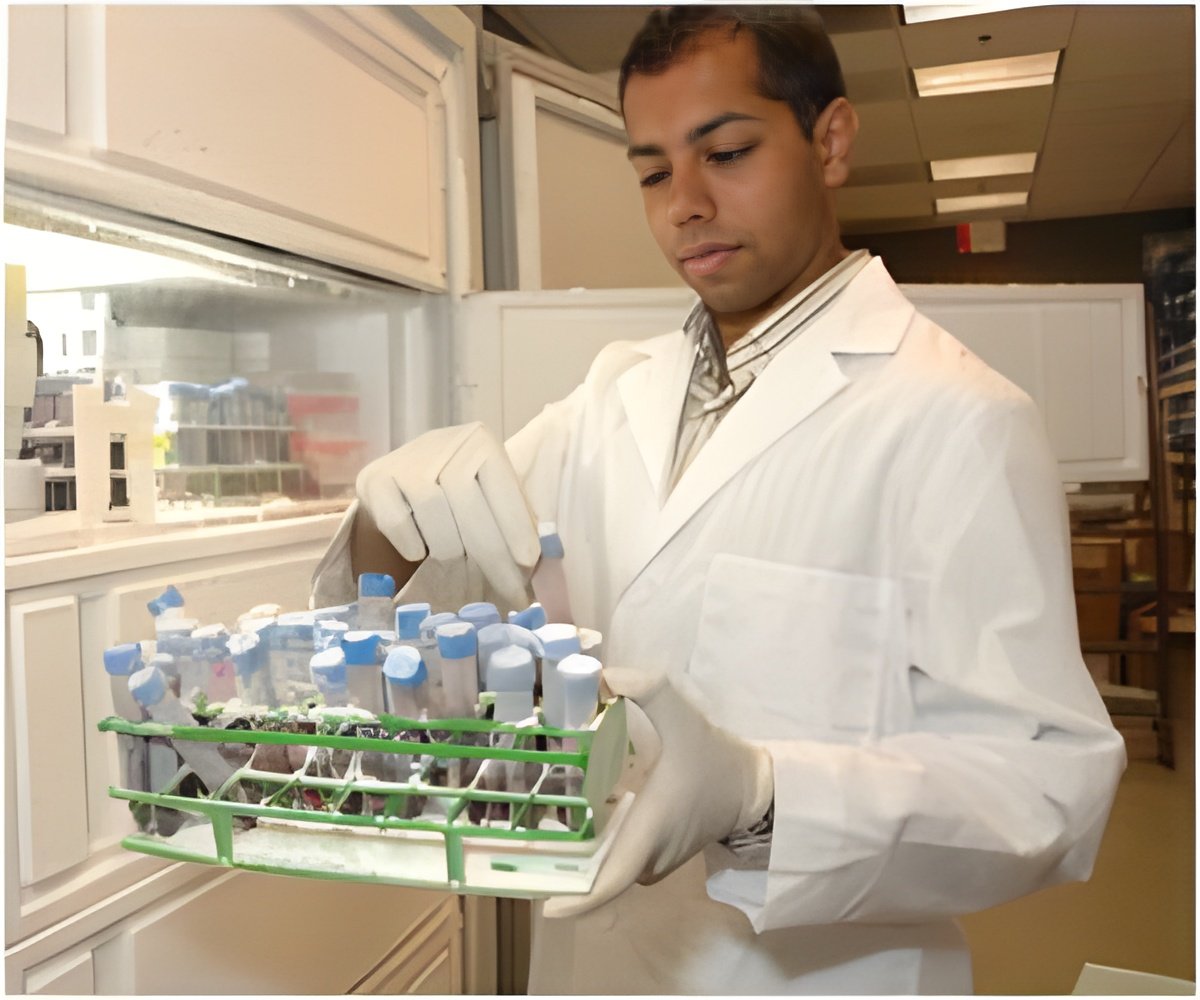
The sVNT COVID-19 kit developed by researchers helps detect neutralizing antibodies with high specificity and sensitivity.
Coronavirus
Coronaviruses infect animals, humans, and birds. Human coronaviruses, such as SARS, MERS, and 2019-nCoV cause respiratory distress and even death. The S protein is the infectious agent of the virus.
Coronaviruses infect animals, humans, and birds. Human coronaviruses, such as SARS, MERS, and 2019-nCoV cause respiratory distress and even death. The S protein is the infectious agent of the virus.
TOP INSIGHT

The sVNT COVID-19 kit helps detect functional NAbs in an hour and differentiate them with binding antibodies (BAbs), without the need for live virus or a biocontainment facility.
Infection or immunity to the virus is diagnosed by the presence of NAbs in a patient's blood sample, which would block the RBD-ACE2 interaction. At this critical moment of the international response to the COVID-19 outbreak, there is an urgent need for a robust serological test that detects NAbs, for accurate assessment of infection prevalence and protective immunity at the individual and population level. Antibody tests, such as the conventional virus neutralization test (cVNT) and the pseudovirus-based virus neutralization test (pVNT), remain the only platforms for detecting NAbs. However, both require live viruses and cells, highly skilled operators, and days to obtain results. Other assays, such as the enzyme-linked immunosorbent assay (ELISA) detect Babs but are unable to differentiate between BAbs and NAbs.
The sVNT can also measure NAbs from different animals in a species-independent manner. It can therefore be a powerful tool to investigate the role of animals in the transmission of COVID-19 from natural reservoirs to intermediate hosts.
Requirements Of An Effective Covid-19 Vaccine
With Covid-19 in too hard, scientists around the world are working to develop an effective vaccine for Covid-19 virus.
With Covid-19 in too hard, scientists around the world are working to develop an effective vaccine for Covid-19 virus.
Dr Sidney Yee, CEO of A*STAR's Diagnostics Development Hub, said, "Due to the SARS outbreak in 2003, researchers in Singapore have gained important insights into that virus, which shares some similarities with SARS-Cov-2. A*STAR supported the clinical tests in this collaboration with Duke-NUS by sharing data drawn from our research experience in SARS. We are happy to have contributed to the validation of this innovative test, which will be instrumental in our fight against the global pandemic."
Maximum Covid-19 War Gear from Centre Goes To Maharashtra
The most affected state by the Corona pandemic, is the biggest beneficiary of the Centre by way of N95 masks, PPE kits, tablets and ventilators.
The most affected state by the Corona pandemic, is the biggest beneficiary of the Centre by way of N95 masks, PPE kits, tablets and ventilators.
The sVNT kit is commercialised by GenScript and offered worldwide under the brand cPass™ for research use only. GenScript has also filed for Emergency Use Authorisation with the US Food and Drug Administration and this filing is currently under review.

Health, Well-being and Food Security of Families Declining Under COVID-19 Stress
Worsening mental and physical health are reported among families across the country due to abrupt, systemic changes to employment, and strain from having access to a limited social network because of the COVID-19 pandemic.
Worsening mental and physical health are reported among families across the country due to abrupt, systemic changes to employment, and strain from having access to a limited social network because of the COVID-19 pandemic.
 Email
Email