MEDINDIA
 English
 हिन्दी
 Español
 français
 中文
中文
New study uncovers how viscerofugal neurons provide a pathway so our gut can “sense” what is going on inside the gut wall, then relay this sensory information.

Nutritional Management of Parkinson's Disease
Parkinson's disease is a brain disorder which leads to many other related effects. Nutrition plays an important role in management of the disease.
Parkinson's disease is a brain disorder which leads to many other related effects. Nutrition plays an important role in management of the disease.
TOP INSIGHT

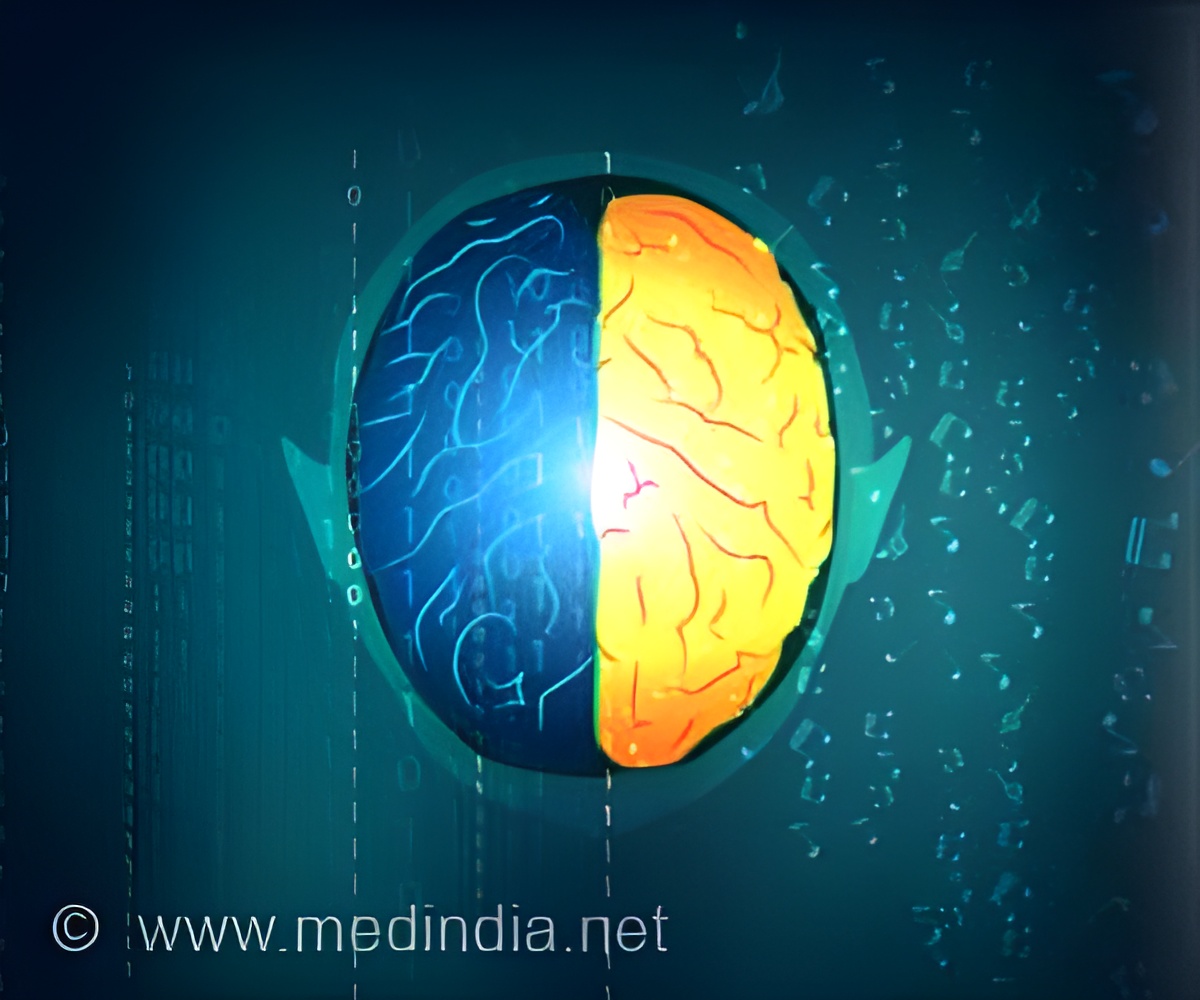
Enteric Nervous System (ENS) might play an increasingly important part on human health, and could shed light on potential new treatments for conditions like Parkinson’s disease, representing a big step towards understanding ENS functions and the complexity of the gut and brain connection through the neurons that allow communication in the body.
“There is significant interest in how the gut communicates with the brain as a major unresolved issue because of growing evidence that many diseases may first start in the gut and then travel to the brain, an example of which is Parkinson’s Disease,” says Professor Spencer.
“The new study has uncovered how viscerofugal neurons provide a pathway so our gut can “sense” what is going on inside the gut wall, then relay this sensory information more dynamically than was previously assumed to other organs, like the spinal cord and brain which influence our decisions, mood and general wellbeing.”

Quiz on Parkinson’s Disease
Parkinson's disease (PD) is a chronic and progressive nervous system disorder that results in a gradual loss of muscle control. It has an impact on the body's ability to control movement.
Parkinson's disease (PD) is a chronic and progressive nervous system disorder that results in a gradual loss of muscle control. It has an impact on the body's ability to control movement.
“What is particularly exciting about the gut, is that it is unlike all other internal organs (e.g. heart, liver, bladder) because the gut has its own nervous system, which can function independently of the brain or spinal cord. Understanding how the gut communicates and controls other organs in the body can lead to important breakthroughs for disease treatment and this is an important step in the right direction.”
Second Brain Death Exam Traumatic
A second exam on a person who is considered brain dead could prove to be financially and emotionally traumatic.
A second exam on a person who is considered brain dead could prove to be financially and emotionally traumatic.
Quiz on Brain
The human brain is exquisitely intrinsic and is the seat of all emotions. If you are curious about what makes you bad, sad, silly or glad this quiz on the brain will satiate you.
The human brain is exquisitely intrinsic and is the seat of all emotions. If you are curious about what makes you bad, sad, silly or glad this quiz on the brain will satiate you.
 Email
Email