MEDINDIA
 English
 हिन्दी
 Español
 français
 中文
中文
The Arthritis Foundation and Takeda Pharmaceuticals U.S.A., Inc. (Takeda) launched a program based on new joint research, to make gout management a priority.
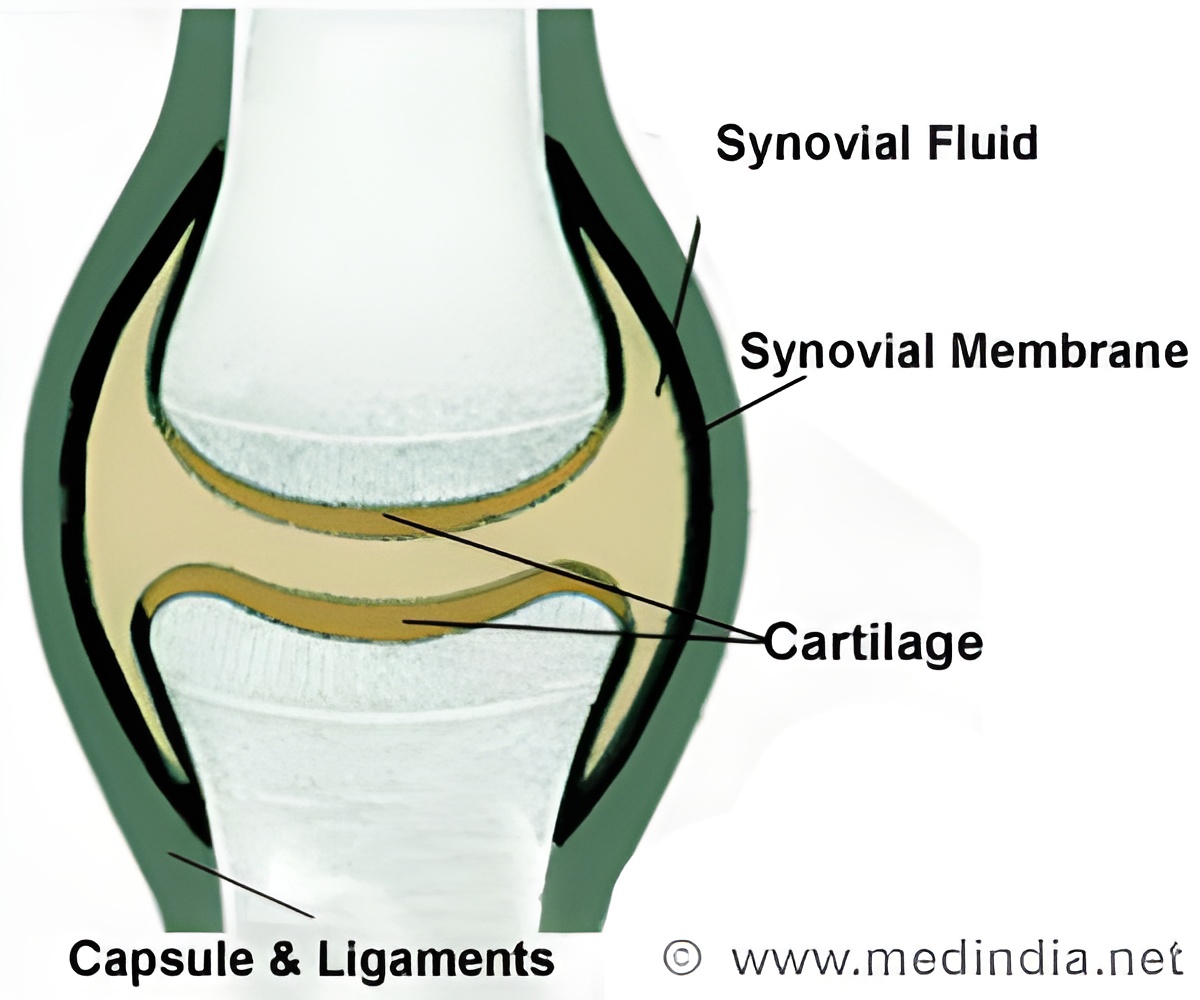

Lyme Disease and Septic Arthritis Have Similar Symptoms
Lyme disease, an infection common in the northwest and northeast parts of the U.S. and caused by bacteria normally found in deer is treated with antibiotics.
Lyme disease, an infection common in the northwest and northeast parts of the U.S. and caused by bacteria normally found in deer is treated with antibiotics.
TOP INSIGHT

The Arthritis Foundation is strengthening its commitment to the estimated 8.3 million Americans with gout, which may be increasing. Half of gout patients have three or more attacks per year; a typical gout attack can last at least 4 days.
"Gout can be managed effectively, reducing or eliminating attacks. But, too often, patients are accepting painful gout attacks as a way of life instead of working to better manage the disease with their health care professional," shares Ann M. Palmer, president and CEO of the Arthritis Foundation. "We chart the course for the arthritis community, helping people develop personalized plans for saying Yes - day after day. The tools developed for Let's Speak Gout are part of a support system for people with gouty arthritis to navigate conversations with doctors, manage the disease and advocate for themselves."
Let's Speak Gout resources for HCPs and patients in the United States are available on the Arthritis Foundation website, www.arthritis.org/lets-speak-gout; the site includes downloadable discussion tools for HCPs and for gout patients, details on the research findings and research methodology. Let's Speak Gout tool content includes highlights of research findings and a guide to having more effective interactions between HCPs and patients living with gout.

Fever Drug 'Paracetamol' Ineffective Against Osteoarthritis
Osteoarthritis is the most common form of joint disease and the leading cause of pain among tens of millions of older people.
Osteoarthritis is the most common form of joint disease and the leading cause of pain among tens of millions of older people.
Core Let's Speak Gout findings to create more effective HCP/patient discussions about gout include:
- HCPs and patients do not currently share the same definitions for effective gout treatment. They need to establish common goals for number of flares and for uric acid level, then regularly screen and track progress towards those goals
- Both patients and HCPs overemphasize the dietary component of gout and often overlook the larger genetic component, leaving patients feeling guilty and potentially less honest in discussions with their doctors
- Both patients and HCPs focus on treating the short-term pain of gout attacks, and do not always address the long-term consequences and potential damage of untreated gout.
- There are specific ways to shift the tone and content of HCP/patient discussions about gout that may yield more effective interactions and better patient outcomes.
"Takeda is committed to providing patient-focused education and support to improve the treatment and management of gout which is why we are excited to partner with the Arthritis Foundation on Let's Speak Gout," said Thomas Gibbs, Senior Vice President, General Medicine Business Unit, Takeda. "Recognizing how health care professionals and patients think and talk about gout is important to disease management. We believe the tools developed in partnership with the Arthritis Foundation will help support health care professionals and provide gout patients valuable education to help them better manage their disease."

Arthritis Drug Along With an Agent Can Shut Down Gene-Mediated Lung Cancer
People with the second most common type of lung cancer, lung adenocarcinoma that is caused by gene mutations may benefit from targeted therapies.
People with the second most common type of lung cancer, lung adenocarcinoma that is caused by gene mutations may benefit from targeted therapies.
To develop the Let's Speak Gout program, the Arthritis Foundation and Takeda began by analyzing existing research conducted separately by the companies, as well as other published studies on HCP and patient perceptions of gout and on doctor-patient communications over the last few years. Then the Arthritis Foundation and Takeda sponsored new research to better identify effective language and approaches for doctor-patient gout communications. This research used an innovative bridge group approach. Patients with gout participated in facilitated focus groups about their condition, while physicians observed behind one-way mirrors. Both the patients and the observing physicians were separately asked by researchers for their perceptions and reactions to different language used. Different physician and gout patient groups also were conducted in the reverse: Physicians participated in facilitated focus groups about gout and its management, while gout patient groups observed behind one-way mirrors. These physician and gout patient cohorts were then also separately asked by researchers for their perceptions and reactions to different language used. Insights gained from all this new research were synthesized with the prior research; all was used to develop the Let's Speak Gout tools. These resources aim to support and motivate HCPs and gout patients to more effectively communicate and better manage the disease.
Source-Newswise
Serotonin Levels in Body Implicate Rheumatoid Arthritis
Some effects of rheumatoid arthritis can be reduced by serotonin or its compounds that activate serotonin receptors as it is a regulator in arthritis.
Some effects of rheumatoid arthritis can be reduced by serotonin or its compounds that activate serotonin receptors as it is a regulator in arthritis.
 Email
Email