MEDINDIA
 English
 हिन्दी
 Español
 français
 中文
中文
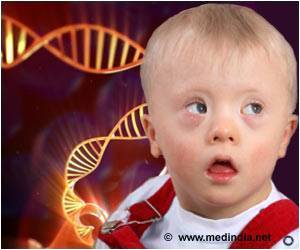
Mutations in a gene called CNOT1 that affect brain development and impair memory and learning have been discovered by scientists.

Autism Causes, Symptoms, Diagnosis, Treatment, Prognosis
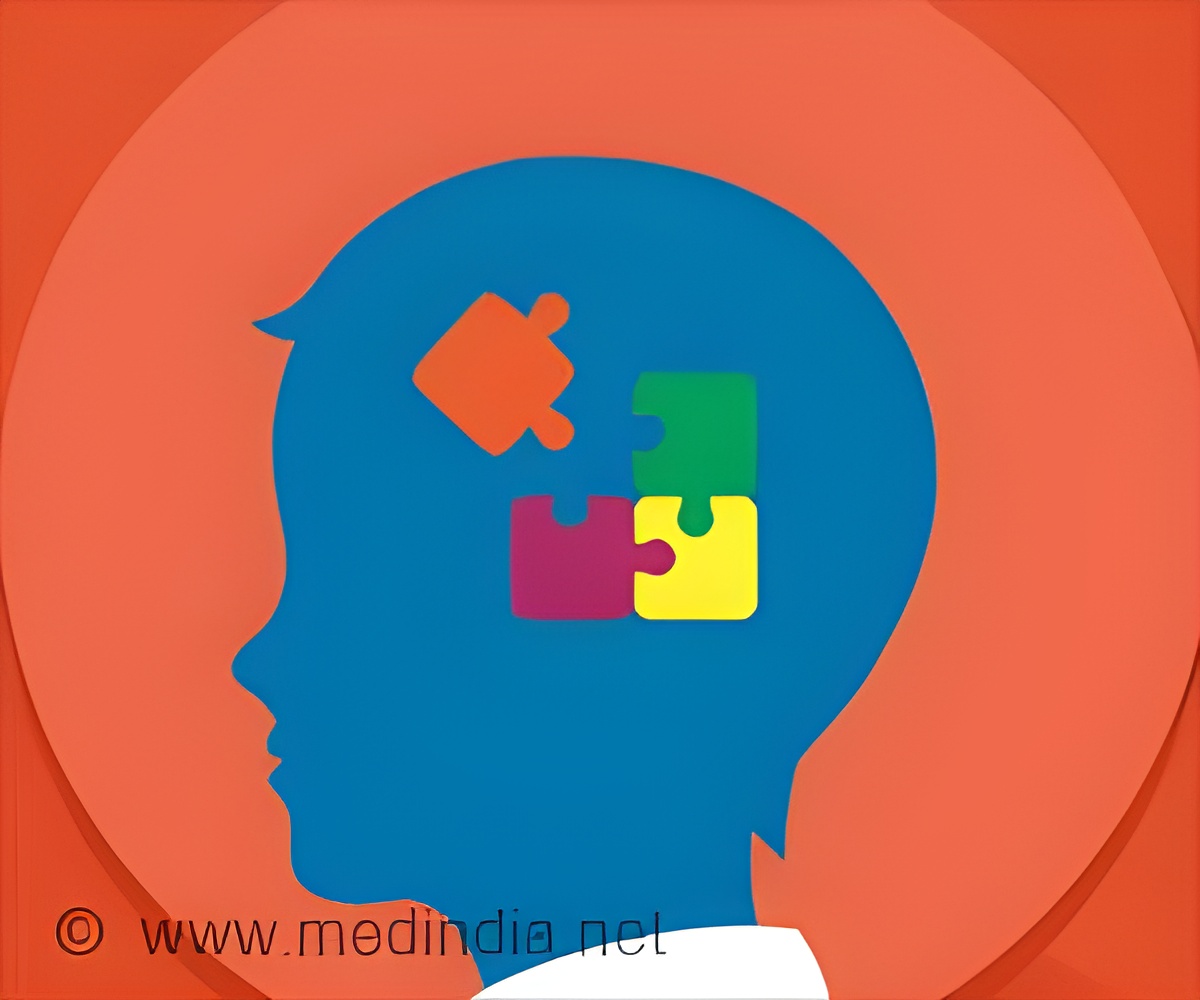
Autism is a neurodevelopmental disorder typically characterized by impaired social and communication skills combined with repetitive movements.
Autism is a neurodevelopmental disorder typically characterized by impaired social and communication skills combined with repetitive movements.
TOP INSIGHT

CNOT1 gene interacts with several known autism spectrum disorder (ASD) genes, opening new research avenues for the condition.
A common genetic thread
In the current study, scientists at Radboud University Medical Center identified a commonality between 39 people with a neurological disorder: variations in the CNOT1 gene. These individuals, whose ages ranged from newborn to 22 years old, had symptoms that spanned from severe intellectual disability to nearly normal IQ and everyday functioning. The researchers hoped to determine if the variations in the CNOT1 gene were benign or the cause of the neurological symptoms--the first step to finding potential treatments.

Quiz on Autism
Autism spectrum disorder is a complex genetic disorder that impairs social, behavioral, and communication functions in humans. Autistic people may act, communicate, interact, and learn differently than most other people. ASD usually begins in childhood and can last for the rest of a person's life, though symptoms may improve over time
Autism spectrum disorder is a complex genetic disorder that impairs social, behavioral, and communication functions in humans. Autistic people may act, communicate, interact, and learn differently than most other people. ASD usually begins in childhood and can last for the rest of a person's life, though symptoms may improve over time
This work identified nine CNOT1 variants that impaired learning and memory, which was measured by several independent approaches--including a courtship assay that tested the ability of male fruit flies to remember if their female partners had paired with other males. All of these variants appeared spontaneously (de novo) in the patients, meaning they were not inherited. The scientists also discovered that these CNOT1 mutations interact with known ASD genes--revealing a genetic link to ASD that can be further explored.
Unique Metabolic Markers Detect Over 50% of Kids Affected by Autism
Unique metabolic signatures called metabotypes are identified in more than 50 percent of the kids with an autism spectrum disorder, finds a new study.
Unique metabolic signatures called metabotypes are identified in more than 50 percent of the kids with an autism spectrum disorder, finds a new study.
Next, the scientists plan to identify which molecular components interact with CNOT1, which functions as a scaffold that builds up a larger protein complex. This work might uncover additional potential drug targets for intellectual, learning or memory disorders, including ASD.

Autism Severity can Vary Substantially During Early Childhood
Autism symptom severity change was evaluated during early childhood in kids diagnosed with autism spectrum disorder (ASD) by a new study and found that girls tend to show greater reduction and less rise in their autism symptom severity compared to boys with autism.
Autism symptom severity change was evaluated during early childhood in kids diagnosed with autism spectrum disorder (ASD) by a new study and found that girls tend to show greater reduction and less rise in their autism symptom severity compared to boys with autism.
Surprisingly, the findings also have implications for heart disease, the primary focus of Bodmer's lab.
"A significant fraction of these patients also have cardiac defects," says Bodmer. "Conversely, children who are born with heart defects are at a higher risk of developing ASD, too. This study on CNOT1 also provides a previously unknown genetic link between heart function and ASD."
Developmental disabilities are a group of conditions characterized by impairments in physical, learning, language or behavioral areas. About one in six children in the U.S. have one or more developmental disabilities or other developmental delays, according to the Centers for Disease Control and Prevention.
Source-Eurekalert
 Email
Email