MEDINDIA
 English
 हिन्दी
 Español
 français
 中文
中文
Learning about genetic changes that occur in multiple sclerosis could open for new therapeutical approaches.

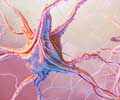
Symptoms & Signs For Nerve Damage
Our nervous system is involved in numerous functions such as sensing touch and pain, breathing, digestion, limb movement, passing urine, and emptying bowels. Imagine what would happen if nerves get damaged due to disease.
Our nervous system is involved in numerous functions such as sensing touch and pain, breathing, digestion, limb movement, passing urine, and emptying bowels. Imagine what would happen if nerves get damaged due to disease.
TOP INSIGHT

Genetic mutations may have a greater role in the development of multiple sclerosis than thought.
Previous genetic studies have found regions in the human genome that contain mutations (single nucleotide polymorphisms) associated with an increased risk of MS. Many of these regions are localized near genes that are active in immune cells.
In this study, the researchers show in mice and human brain samples that oligodendrocytes and their progenitors have an open configuration of the genome near immune genes and at MS-risk associated regions.
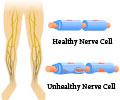
Peripheral Neuropathy - Types, Causes, Symptoms, Diagnosis, Treatment & Prevention
Peripheral neuropathy is a condition that causes weakness, numbness and pain, especially in the limbs as a result of damage to the peripheral nerves.
Peripheral neuropathy is a condition that causes weakness, numbness and pain, especially in the limbs as a result of damage to the peripheral nerves.
These findings indicate that these cells can also be targeted for therapeutical approaches for MS, to prevent misfunction that might be caused by these mutations.

Diabetes Induced Nerve Damage can be Detected Early in the Eye
Checking corneal nerve damage in type 2 diabetes patients can detect progressive nerve damage in the whole body early, finds a new study. Progressively Type 2 diabetes can impair nerve function in the body.
Checking corneal nerve damage in type 2 diabetes patients can detect progressive nerve damage in the whole body early, finds a new study. Progressively Type 2 diabetes can impair nerve function in the body.
Nerve Cell Damage Caused by Ischemia may be Treated With Thalidomide
The neuroprotective effect of thalidomide against ischemia through the cereblon-mediated repression of AMPK activity has been proved by recent research. Thalidomide may suppress nerve cell death
The neuroprotective effect of thalidomide against ischemia through the cereblon-mediated repression of AMPK activity has been proved by recent research. Thalidomide may suppress nerve cell death
 Email
Email