MEDINDIA
 English
 हिन्दी
 Español
 français
 中文
中文
Scientists have developed a new COVID-19 testing technique that avoids RNA degradation and time-consuming extraction by directly detecting the RNA in samples.
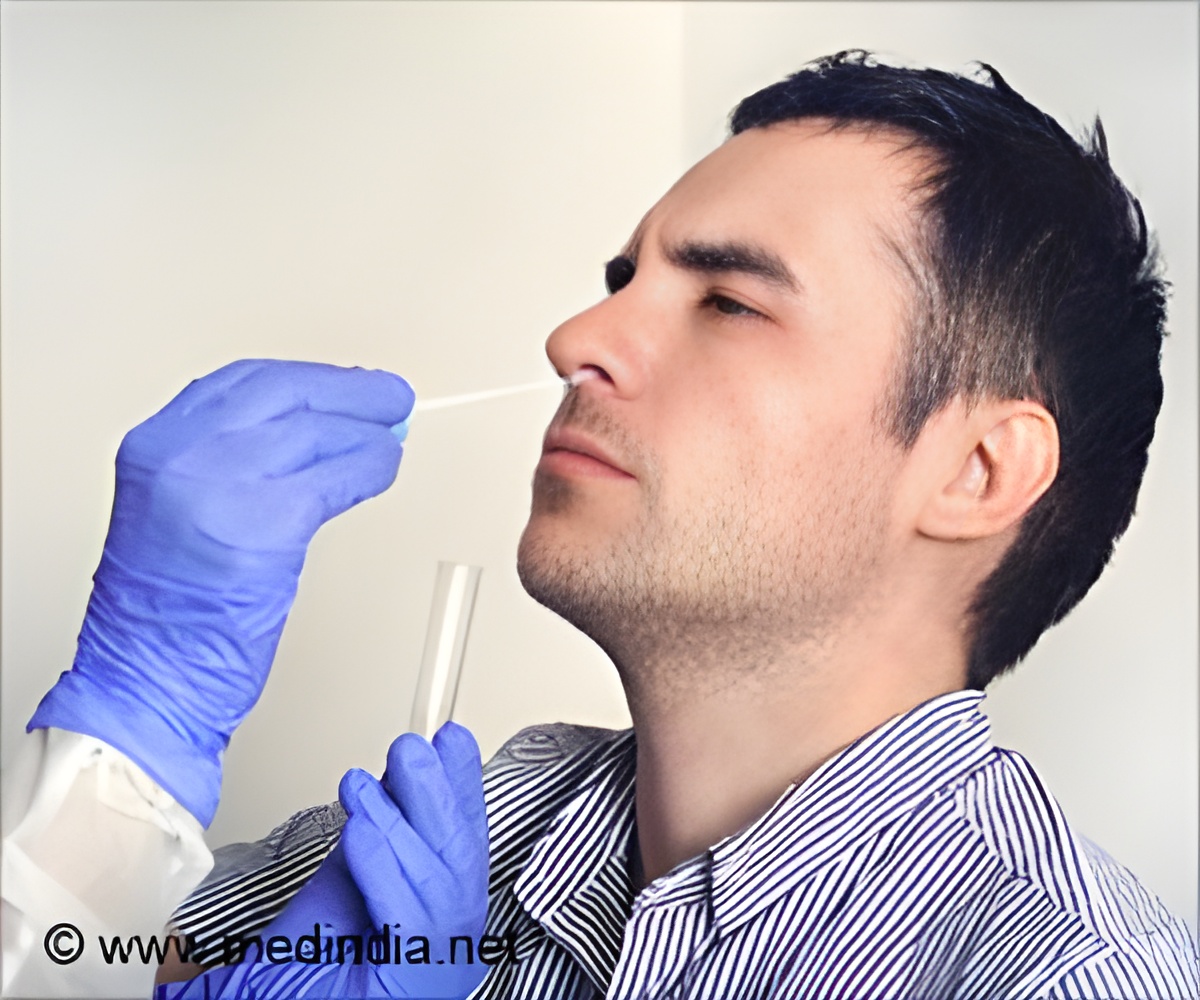

COVID-19 Variants Can Now Be Diagnosed From Saliva At Home
With the growing burden of the COVID-19 pandemic, scientists have developed a new economically cheaper test that helps in detecting variants of COVID-19 at home from your saliva sample.
With the growing burden of the COVID-19 pandemic, scientists have developed a new economically cheaper test that helps in detecting variants of COVID-19 at home from your saliva sample.
TOP INSIGHT

A new COVID-19 testing method directly detects coronavirus RNA in less time.
To overcome this, A team of researchers using a chelating agent made by the lab supply company Bio-Rad called Chelex 100 resin to preserve coronavirus RNA in samples for detection by RT-qPCR. This finding is reported in the journal iScience.
“We used nasopharyngeal and saliva samples with various virion concentrations to evaluate whether they could be used for direct RNA detection,” said Guan, the lead author.

New COVID-19 Clinical Risk Management Tools
The development of novel COVID-19 clinical risk stratification tools that incorporate multi-ethnic age structures, multimorbidity and other deprivation metrics to eradicate inequality based on ethinicity.
The development of novel COVID-19 clinical risk stratification tools that incorporate multi-ethnic age structures, multimorbidity and other deprivation metrics to eradicate inequality based on ethinicity.
To validate the test, they collected patient samples (on Research Protocol NIH IRB 20-D-0094) and stored them in either viral transport media, or the newly developed chelating-resin-buffer at the NIH Symptomatic Testing Facility.
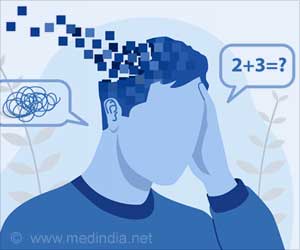
COVID-19 Associated With Problems in Thinking, Attention
Link between deficits in overall cognitive performance and severity of respiratory symptoms experienced during COVID-19 infection identified. These are ‘long COVID’ effects that are to be followed up over time.
Link between deficits in overall cognitive performance and severity of respiratory symptoms experienced during COVID-19 infection identified. These are ‘long COVID’ effects that are to be followed up over time.
The samples in the chelating-resin-buffer were heated and the viral RNA was, then, tested by RT-qPCR. The new preparation significantly increased the RNA yield available for testing, compared to the standard method.

COVID-19: Diet Plan and Lifestyle Modifications for the Unlock Phase
Healthy eating habits and adherence to physical activity are required during COVID-19 lockdown. WHO has prepared a set of general tips that you could follow during the lockdown to stay fit and healthy.
Healthy eating habits and adherence to physical activity are required during COVID-19 lockdown. WHO has prepared a set of general tips that you could follow during the lockdown to stay fit and healthy.
Source-Medindia
 Email
Email