MEDINDIA
 English
 हिन्दी
 Español
 français
 中文
中文
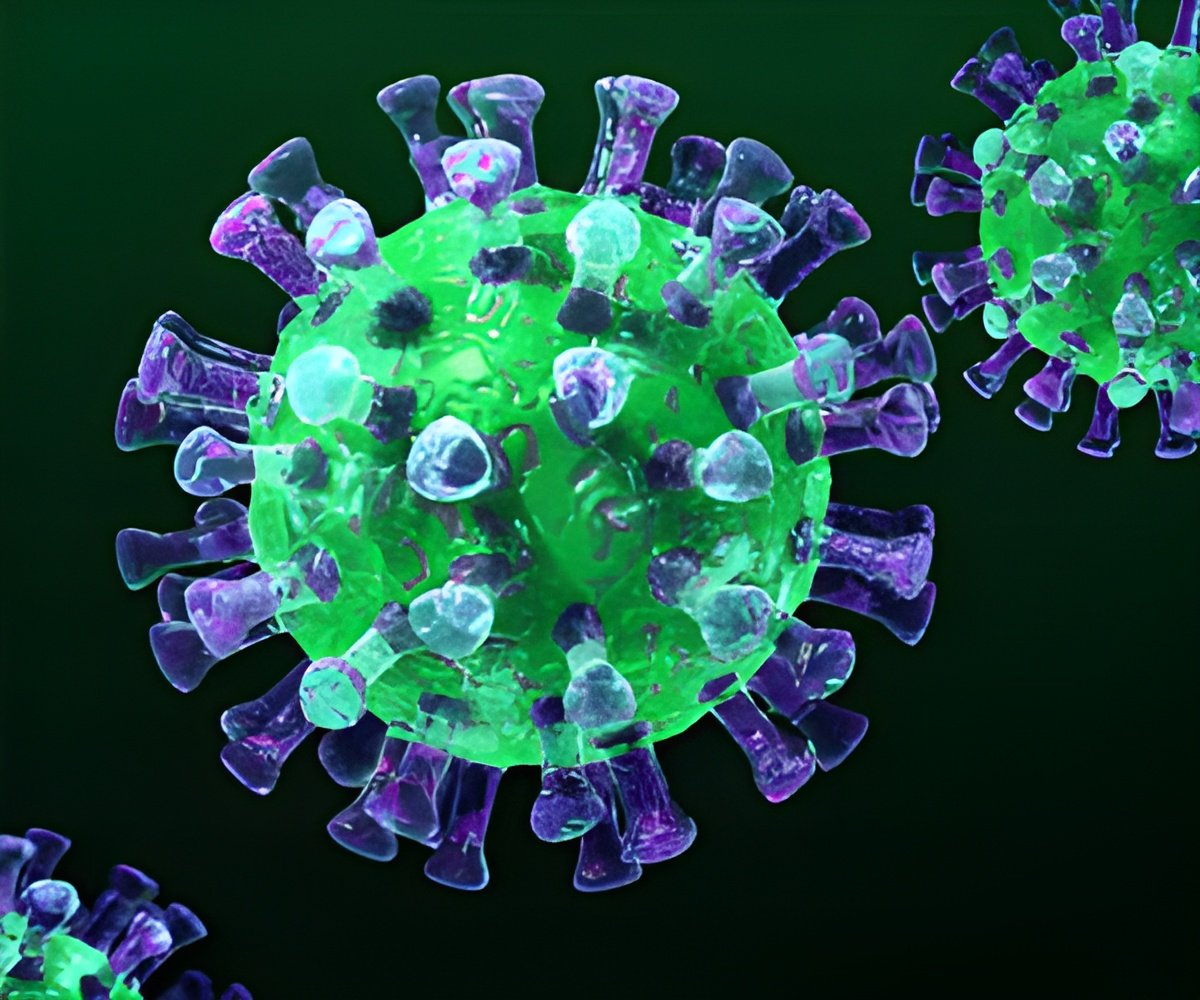
NIH study develops a new animal model to study Crimean-Congo hemorrhagic fever.

Ugandan Farmer Hospitalized With Crimean-Congo Fever
Uganda’s health ministry has confirmed at least one case of Crimean-Congo haemorrhagic fever in the country.
Uganda’s health ministry has confirmed at least one case of Crimean-Congo haemorrhagic fever in the country.
TOP INSIGHT

Study uses macaque model to examine how the CCHF virus infection progresses and interacts with the immune system.
The first two monkey species showed no signs of disease using various inoculation methods. Two of three cynomolgus macaques, however, developed disease. That led to a larger study of 12 cynomolgus macaques, four each inoculated under the skin, intravenously, or a combination of both. Within three days, all eight animals in the combination and intravenous groups showed signs of infection that led to severe disease. Two of the four animals inoculated under the skin developed mild signs of disease while the other two remained symptom-free.
Disease progression in the cynomolgus macaques followed the four phases that most infected people experience: 1) A 3- to 4-day incubation period; 2) a 3- to 5-day pre-hemorrhagic period; 3) a 2-to 3-day hemorrhagic period; and 4) recovery or death. Because their study included cynomolgus macaques that experienced a range of conditions, from no CCHF symptoms to severe disease, the scientists believe this animal model will be useful for examining how the infection progresses and interacts with the immune system. Ultimately, they plan to use the model to develop treatments and vaccines for CCHF.

In Rajkot Congo Fever Claims Seven Lives
Crimean-Congo Hemorrhagic fever (CCHF) commonly known as Congo fever has taken the lived of at least seven persons while four others have been affected in Rajkot, Gujarat.
Crimean-Congo Hemorrhagic fever (CCHF) commonly known as Congo fever has taken the lived of at least seven persons while four others have been affected in Rajkot, Gujarat.
Source-Eurekalert
Britain Records First Congo Fever Death
A man who was admitted in a London hospital for Crimean-Congo haemorrhagic fever has died .
A man who was admitted in a London hospital for Crimean-Congo haemorrhagic fever has died .

New Treatments Possible With a Research Milestone in CCHF Virus
New cellular factors essential for Crimean-Congo hemorrhagic fever virus (CCHFV) infection has been identified in a new research.
New cellular factors essential for Crimean-Congo hemorrhagic fever virus (CCHFV) infection has been identified in a new research.
 Email
Email