MEDINDIA
 English
 हिन्दी
 Español
 français
 中文
中文
The nanotechnology-inspired material has the potential to regenerate damaged nerves for patients with spinal cord injuries.
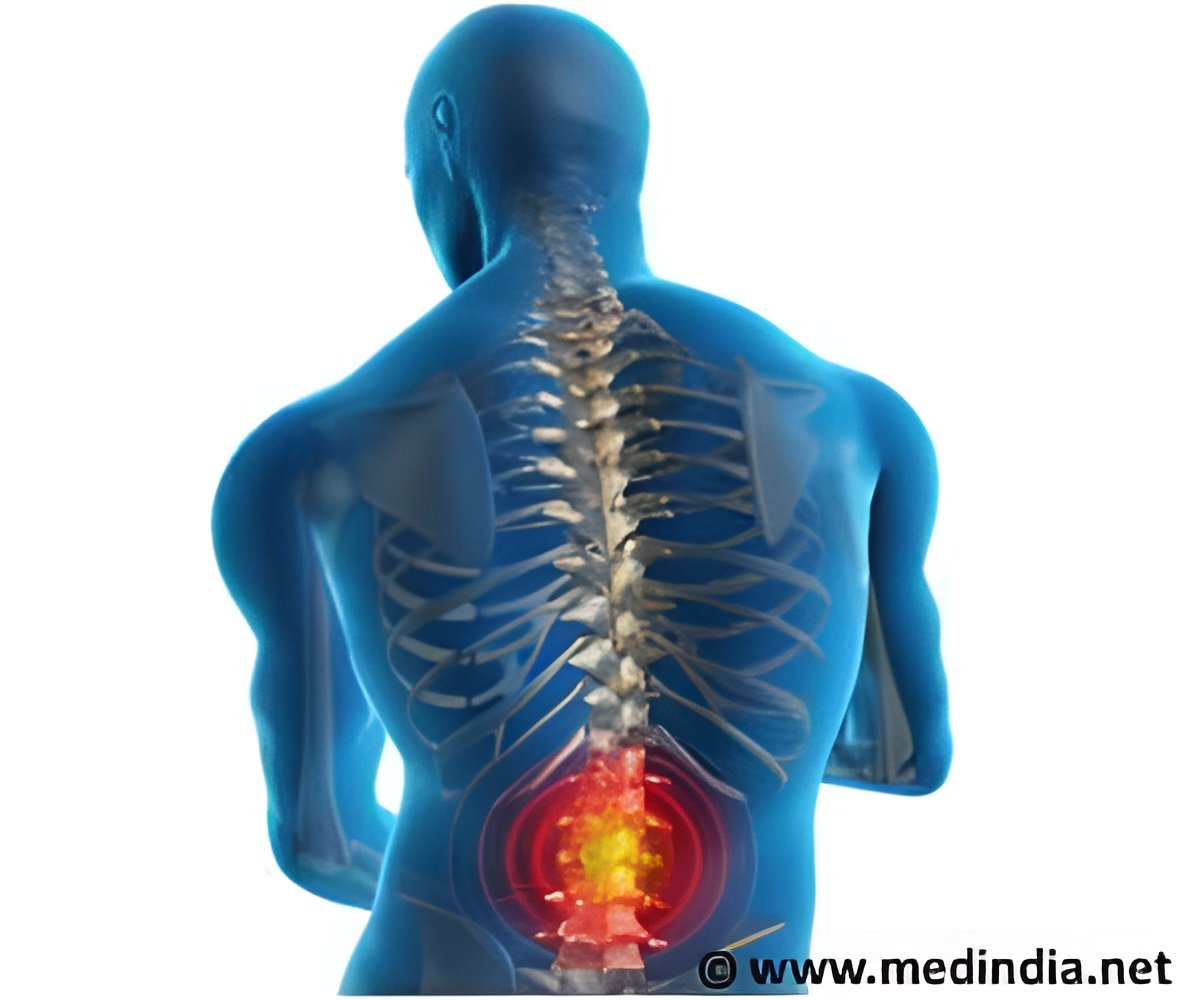
Spinal Injury - Symptom Evaluation
Spinal Injury refers to damage to spinal cord that runs below the brain through the back. Injury to spinal cord is a severe injury as the damage is irreversible and it can be life-threatening.
Spinal Injury refers to damage to spinal cord that runs below the brain through the back. Injury to spinal cord is a severe injury as the damage is irreversible and it can be life-threatening.
Shokuhfar says that nerve regeneration is a particularly difficult biomedical engineering conundrum. "We are born with all the nerve cells we’ll ever have, and damaged nerves don’t heal very well."
Other facilities, who are also trying to address this issue, feature large, room-sized machines that have built-in cell culture hoods, incubators and refrigeration. The precision of this equipment allows them to print full organs, but innovation is more nimble at smaller scales.
Syringomyelia | Hydromyelia | Syrinx: Causes Symptoms Diagnosis Treatment
Syringomyelia or hydromyelia is a rare neurological disorder where the person develops a fluid-filled cavity called syrinx in the spinal cord. Symptoms, diagnosis, treatment of syringomyelia are explained in detail.
Syringomyelia or hydromyelia is a rare neurological disorder where the person develops a fluid-filled cavity called syrinx in the spinal cord. Symptoms, diagnosis, treatment of syringomyelia are explained in detail.
Source-Medindia

FDA Approves World�s Smallest MR-Conditional Spinal Cord Stimulation System
Protege MRI spinal cord stimulator is also an upgradeable MR-conditional device that can be safely used while the patient receives extremity MRI scans.
Protege MRI spinal cord stimulator is also an upgradeable MR-conditional device that can be safely used while the patient receives extremity MRI scans.

Protein Concentrate can Reduce Spinal Cord Damage: University of Vienna
The protein concentrate extracted from white blood cells can reduce damage due to spinal cord injuries; it can also boost regeneration through vascularization.
The protein concentrate extracted from white blood cells can reduce damage due to spinal cord injuries; it can also boost regeneration through vascularization.
 Email
Email