MEDINDIA
 English
 हिन्दी
 Español
 français
 中文
中文
It was previously believed that single neurons independently encode information in our working memories.

Short-term Memory can be Improved by Laughter
Laughter may improve short-term memory and may make the brain work better in older adults.
Laughter may improve short-term memory and may make the brain work better in older adults.
TOP INSIGHT

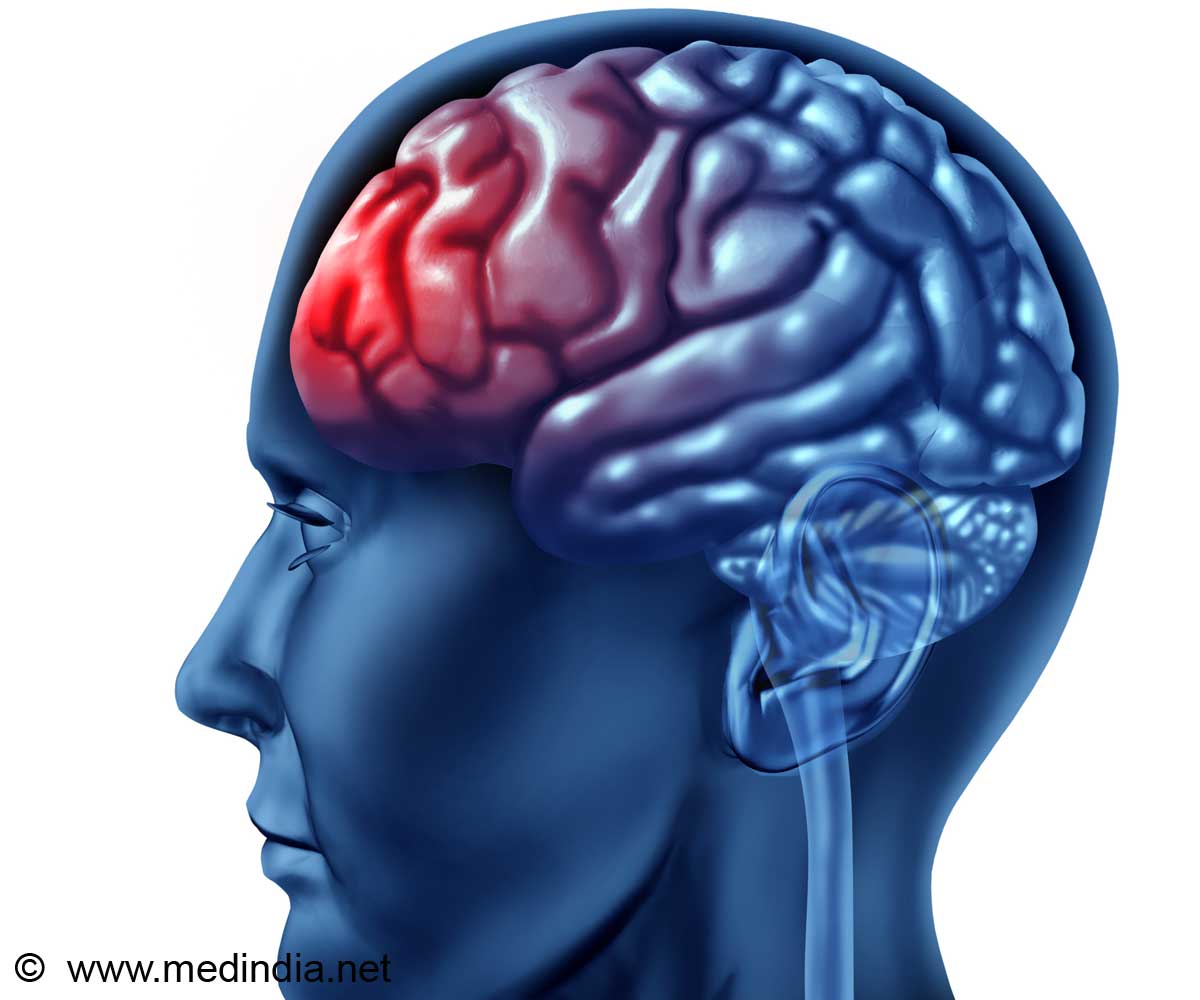
Nerve cells in our brain work together in harmony to store and retrieve short-term memory, and are not solo artists as previously thought.
Nerve cells in our brains work together in harmony to store and retrieve short-term memory, and are not solo artists as previously thought, determined a Western-led brain research.
The research turns on its head decades of studies assuming that single neurons independently encode information in our working memories.

Stress Hormone Linked to Short-Term Memory Loss in Older Adults: Study
At the University of Iowa, a new study reports a potential link between stress hormones and short-term memory loss in older adults.
At the University of Iowa, a new study reports a potential link between stress hormones and short-term memory loss in older adults.
"Knowing they work together helps us better understand the circuits in the brain that can either improve or hamper executive function. And that in turn may have implications for how we work though brain-health issues where short-term memory is a problem, including Alzheimer disease, schizophrenia, autism, depression and attention deficit disorder."

Short-term Memory Enabled by Complex Interplay of Different Brain Regions: Study
A new study has revealed synchronized oscillations between different brain regions are important in visually remembering things over a short period of time.
A new study has revealed synchronized oscillations between different brain regions are important in visually remembering things over a short period of time.
And while the ramifications of this discovery are still being explored, "this gives us good material to work with as we move forward in brain research. It provides us with the necessary knowledge to find ways to manipulate brain circuits and improve short term memory in affected individuals," Martinez-Trujillo said.

Cholesterol Lowering Statins Do Not Pose Any Risk of Short-Term Memory Loss
More patients in the study taking statins reported memory loss in the 30-day period after first taking the drugs, compared to non-users.
More patients in the study taking statins reported memory loss in the 30-day period after first taking the drugs, compared to non-users.
Source-Eurekalert
 Email
Email