MEDINDIA
 English
 हिन्दी
 Español
 français
 中文
中文
Radishes in polystyrene solution retained 5% plastics in the roots, making millions of nanoplastics enter crops.
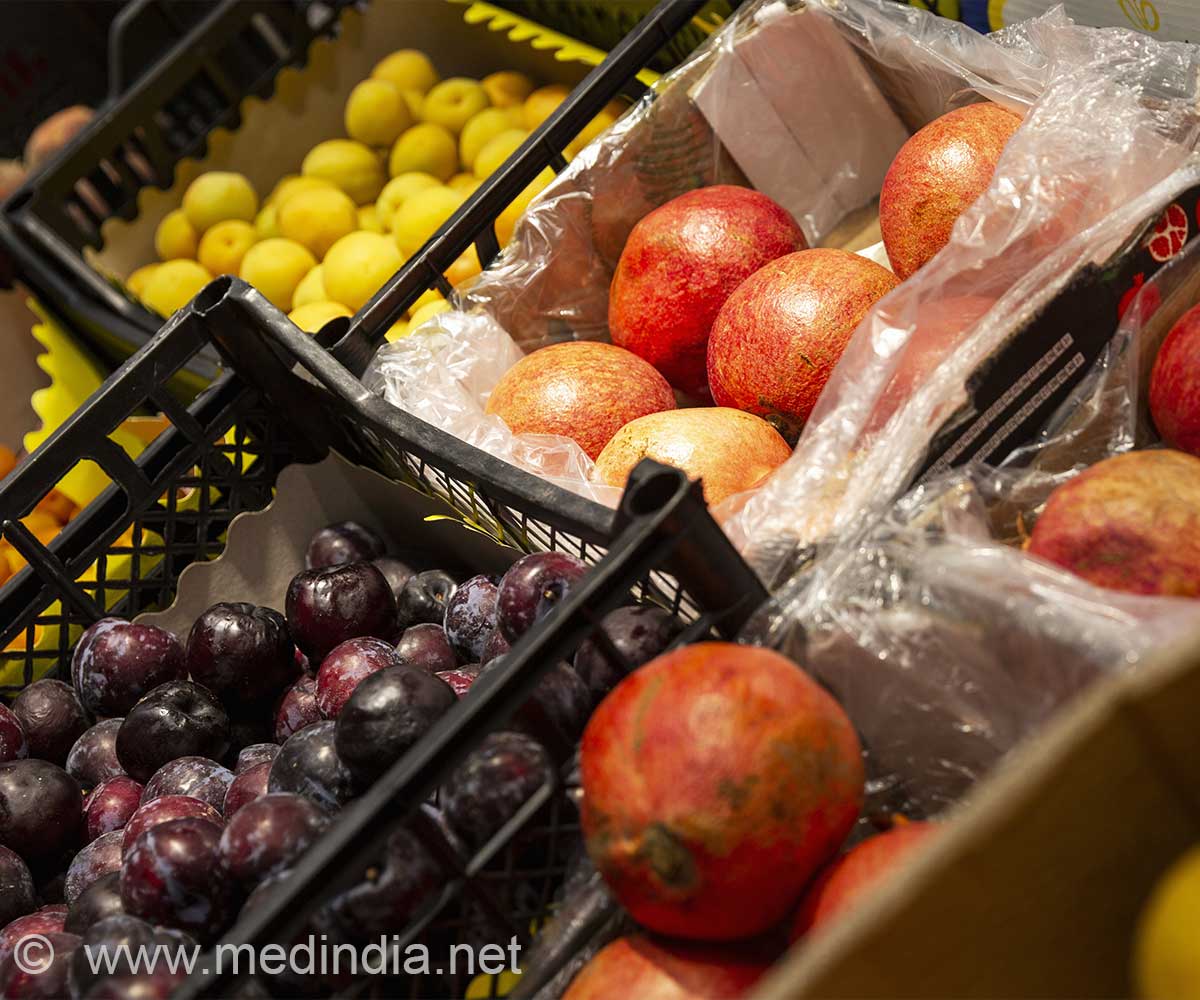
Determining the accumulation potential of nanoplastics in crops: An investigation of 14C-labelled polystyrene nanoplastic into radishes
Go to source).
Need for more investigation to fully understand the impact of plastic particles on human, animals, and environmental health.

Microplastics in Your Food? Top Foods and Ways to Cut Your Risk
Are microplastics in your food? Learn the top risky foods, health concerns, and simple expert tips to cut your daily plastic intake.
Are microplastics in your food? Learn the top risky foods, health concerns, and simple expert tips to cut your daily plastic intake.
TOP INSIGHT

Did You Know?
Scientists caution that vegetables may be an undetected route for humans and animals to ingest #plastics, highlighting the urgent need for #foodsafety research. #nanoplastics #foodsafety #foodcontaminants #environmentalhealth #medindia
Evidence of Nanoplastic Translocation into Edible Parts of the Crops
It applied similar techniques to those previously used by the team to demonstrate the rapid uptake of plastic nanoparticles by commercially important species of molluscs and fish, adding evidence that these particles can move and build up throughout the food chain.For the new research, scientists placed radishes in a hydroponic growing system, with the plant’s non-fleshy roots in contact with a solution of polystyrene nanoparticles that contained radiolabeled carbon.
After five days, they examined how far into the plant the particles had penetrated, finding that nearly 5% of those originally in the solution had been retained by the root system – amounting to millions of nanoplastics entering the crop.
Of those particles, around a quarter had made their way into the edible fleshy roots, while 10% had accumulated in the leaves.
World Environment Day: Let's Beat Plastic Pollution
World Environment Day is a global platform for environmental action and awareness.
World Environment Day is a global platform for environmental action and awareness.
Implications of the Study Findings for the Global Food Supply
Dr. Nathaniel Clark, Lecturer in Physiology at the University and the study’s lead author, said: “Plants have a layer within their roots called the Casparian strip, which should act as a form of filter against particles, many of which can be harmful.”“This is the first time a study has demonstrated nanoplastic particles could get beyond that barrier, with the potential for them to accumulate within plants and be passed on to anything that consumes them.”
“There is no reason to believe this is unique to this vegetable, with the clear possibility that nanoplastics are being absorbed into various types of produce being grown all over the world.”

Quiz on Food Safety for Health
Food safety is the science of handling, preparing, storing and processing food so as to prevent food borne illness, disability and death. Find out through this quiz how you can keep yourself safe from food borne ...
Food safety is the science of handling, preparing, storing and processing food so as to prevent food borne illness, disability and death. Find out through this quiz how you can keep yourself safe from food borne ...
Revolutionary Microplastic Research
The University of Plymouth has pioneered research on microplastics for over 20 years, showing the presence of plastic particles from the deepest parts of the global ocean to the slopes of Mount Everest.It has also identified some of the main sources of microplastic pollution – from tyre wear to the laundry cycle and flaking paint, and the degradation of larger items in the environment - with this research having directly informed international legislation.

Test Your Knowledge on Public Health
Public health is a health care discipline that deals with preventing, protecting and promoting health among all the individuals of the community or the population. It aims at: Promoting a healthier lifestyle and ...
Public health is a health care discipline that deals with preventing, protecting and promoting health among all the individuals of the community or the population. It aims at: Promoting a healthier lifestyle and ...
The Food Chain's New Threat from Ocean to Our Plate
Professor Richard Thompson OBE FRS, Head of the University’s International Marine Litter Research Unit and a senior author on the current study, said: “To some extent, these findings shouldn’t be a surprise – after all, in all our previous work we have found microplastic pollution everywhere we have looked for it.”“However, this study provides clear evidence that particles in the environment can accumulate not only in seafood but also in vegetables.”
“This work forms part of our growing understanding on accumulation, and the potentially harmful effects of micro- and nanoparticles on human health.”
Reference:
- Determining the accumulation potential of nanoplastics in crops: An investigation of 14C-labelled polystyrene nanoplastic into radishes - (https://www.sciencedirect.com/science/article/pii/S0013935125019395?via%3Dihub)
Source-Eurekalert
 Email
Email