MEDINDIA
 English
 हिन्दी
 Español
 français
 中文
中文
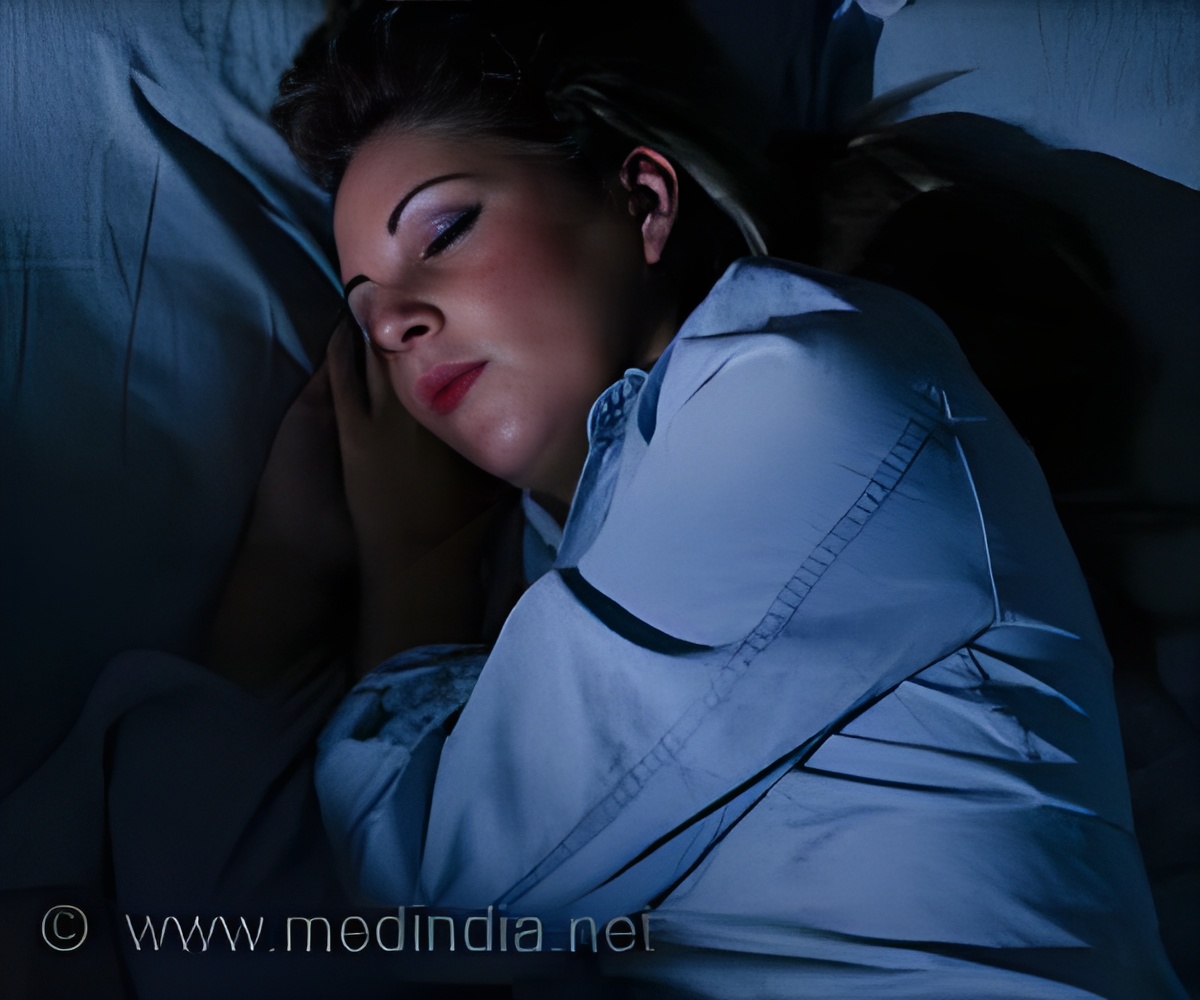
Rapid eye movement sleep disorder, narcolepsy, and cataplexy can be treated by suppressing glycinergic neurons in the ventral medial medulla.
TOP INSIGHT

Rapid eye movement sleep disorder, narcolepsy, and cataplexy can be treated by suppressing glycinergic neurons in the ventral medial medulla thereby blocking the SLD-to-ventral medial medulla and reducing cataplexy episodes.
Read More..
The team identified a specific group of neurons as likely candidates in mice. The cells located in the ventral medial medulla receive input from an area called the sublaterodorsal tegmental nucleus, or SLD.
Sakurai said, “The anatomy of the neurons we found matched what we know. They were connected to neurons that control voluntary movements, but not those that control muscles in the eyes or internal organs. Importantly, they were inhibitory, meaning that they can prevent muscle movement when active.”
Quiz on Sleep Disorder
The comfort of modern life comes at the cost of restful sleep! "Laugh and the world laughs with you, snore and you sleep alone-Anthony Burgess" Scientifically it is proven that a good night's sleep is imperative for maintaining a balance between the physical, emotional and behavioral well-being of a person.
The comfort of modern life comes at the cost of restful sleep! "Laugh and the world laughs with you, snore and you sleep alone-Anthony Burgess" Scientifically it is proven that a good night's sleep is imperative for maintaining a balance between the physical, emotional and behavioral well-being of a person.
Narcolepsy is characterized by suddenly falling asleep at any time during the day, even in mid-sentence. Cataplexy is characterized by sudden loss of muscle tone and collapse; even if they are awake their muscles act as if they are in REM sleep. It was found that the special neurons were related to these two disorders.
Narcolepsy - Overview Incidence Causes Symptoms Diagnosis Treatment Prognosis Prevention FAQs
Sleep is the blissful state that rejuvenates our mind and body everyday and any deprivation often leads to a disorder that can affect our health
Sleep is the blissful state that rejuvenates our mind and body everyday and any deprivation often leads to a disorder that can affect our health
Sakurai said, “We found that silencing the SLD-to-ventral medial medulla reduced the number of cataplexic bouts. The glycinergic neurons we have identified in the ventral medial medulla could be a good target for drug therapies for people with narcolepsy, cataplexy, or REM sleep behavior disorder. Future studies will have to examine how emotions, which are known to trigger cataplexy, can affect these neurons.”

Sleeping Disorders
How many times have you stayed awake in the dead of the night counting sheep? If it is fairly often then you could be suffering from a sleep disorder!
How many times have you stayed awake in the dead of the night counting sheep? If it is fairly often then you could be suffering from a sleep disorder!
Source-Medindia
 Email
Email