MEDINDIA
 English
 हिन्दी
 Español
 français
 中文
中文
Motor neurons innervating muscle fibres are essential for motor activity and their degeneration through disease causes paralysis and often death among patients.
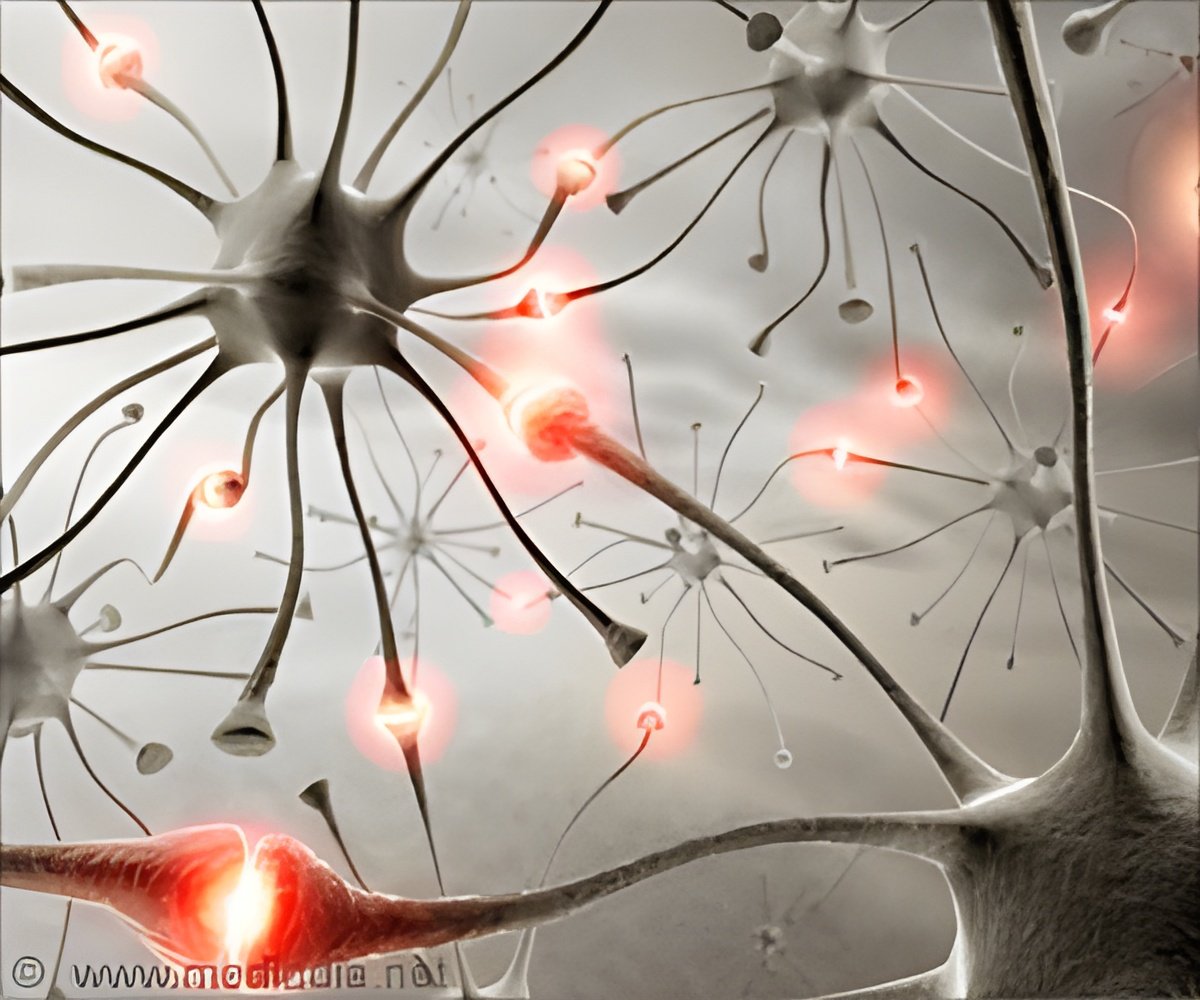

Amyotrophic Lateral Sclerosis (ALS)-Lou Gehrig's disease: Symptoms, Diagnosis, Treatment
Find out more about the degenerative disease- Amyotrophic lateral sclerosis.
Find out more about the degenerative disease- Amyotrophic lateral sclerosis.
"The targeted differentiation of human pluripotent stem cells is often a long and rather inefficient process. This is the case when obtaining motor neurons, although these are affected in many diseases. Today, we obtain these neurons with our approach in only 14 days, nearly twice as fast as before, and with a homogeneity rarely achieved," explains Cécile Martinat, an Inserm Research Fellow at I-Stem.
To achieve this result, the researchers studied the interactions between some molecules that control embryonic development. These studies have made it possible to both better understand the mechanisms governing the generation of these neurons during development, and develop an optimal "recipe" for producing them efficiently and rapidly.
Genetics of Sporadic Amyotrophic Lateral Sclerosis in the Chinese Han Population
An earlier study of European Caucasian patients with sporadic amyotrophic lateral sclerosis demonstrated that a polymorphism in the microtubule-associated protein Tau (MAPT) gene was associated with sporadic amyotrophic lateral sclerosis pathogenesis.
An earlier study of European Caucasian patients with sporadic amyotrophic lateral sclerosis demonstrated that a polymorphism in the microtubule-associated protein Tau (MAPT) gene was associated with sporadic amyotrophic lateral sclerosis pathogenesis.
In the medium term, the approach should contribute to the development of treatments for paralytic diseases such as infantile spinal muscular amyotrophy or amyotrophic lateral sclerosis. "Rapid access to large quantities of neurons will be useful for testing a significant number of pharmacological drugs in order to identify those capable of preventing the death of motor neurons," concludes Cécile Martinat.

Dementia and Motor Neuron Disease Associated With RNA Build-up: Scientists
Scientists at the UCL Institute of Neurology identified a new toxic entity associated with genetically inherited forms of dementia and motor neuron disease.
Scientists at the UCL Institute of Neurology identified a new toxic entity associated with genetically inherited forms of dementia and motor neuron disease.

Ice Bucket Challenge - A Global Awareness Initiative for Amyotrophic
Lateral Sclerosis (ALS)
Ice Bucket Challenge, aimed at creating awareness about Amyotrophic Lateral Sclerosis, has collected $88.5 million till August 26.
Ice Bucket Challenge, aimed at creating awareness about Amyotrophic Lateral Sclerosis, has collected $88.5 million till August 26.
 Email
Email