MEDINDIA
 English
 हिन्दी
 Español
 français
 中文
中文
Epigenetic testing tool is a new genetic test being developed to find the lesions and treat the patient who are at a high risk of anal cancer.
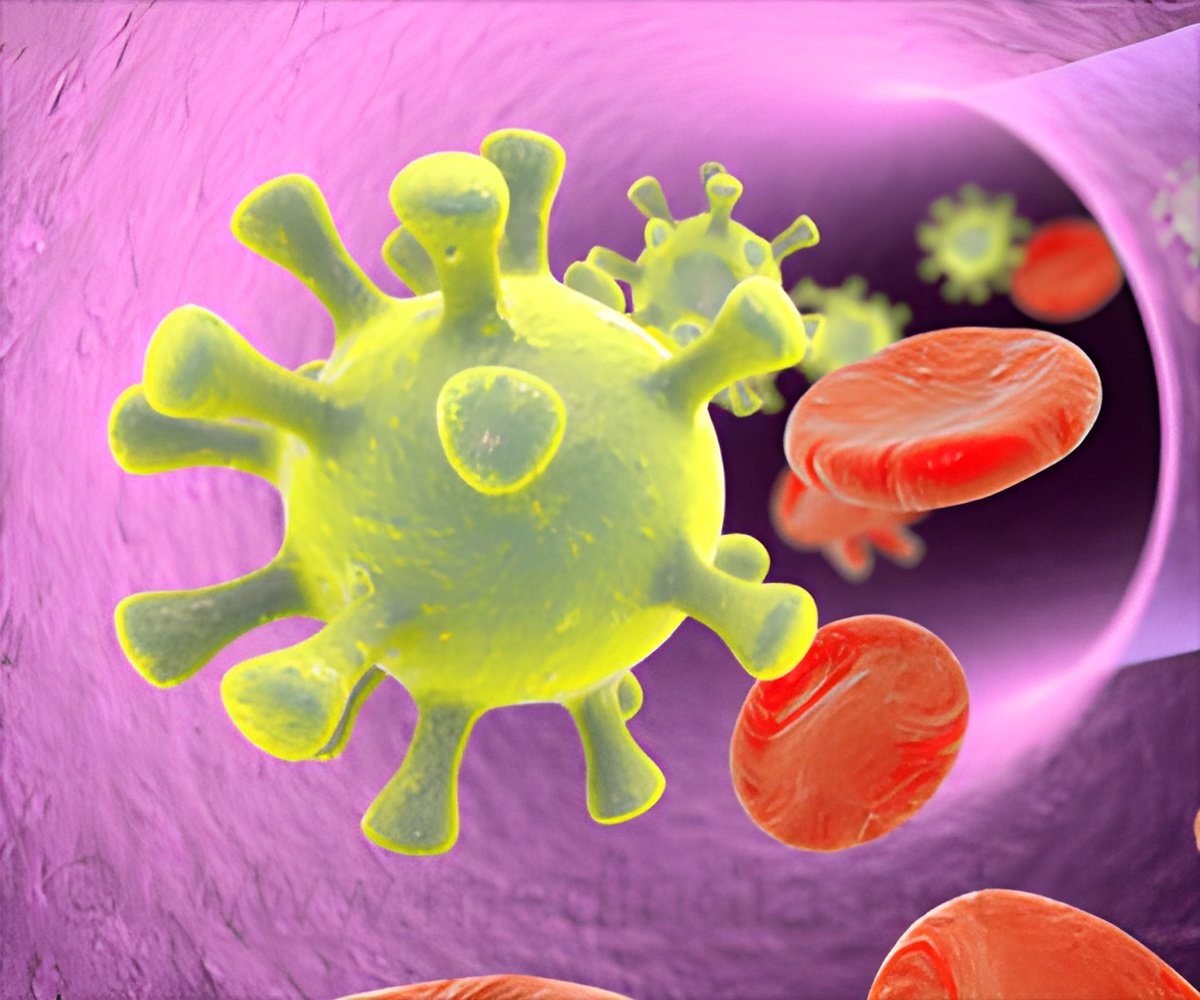

New Study on Connection Between Anal Cancer and Human Papillomavirus
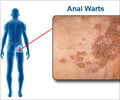
A study demonstrating a connection between anal cancer and HPV infection has been published by researchers at Women & Infants Hospital, a Care New England hospital.
A study demonstrating a connection between anal cancer and HPV infection has been published by researchers at Women & Infants Hospital, a Care New England hospital.
TOP INSIGHT

Epigenetic testing helps to identify the lesions, and treats them immediately, thereby, lowering the risk of cancer.
High-resolution anoscopy, where the anal canal is examined with a high resolution magnifying instrument, is often used as the primary screening tool for high-risk populations but is uncomfortable for the patient, expensive, complex and generates subjective results.
Lead researcher Attila Lorincz said that the widespread over-treatment of anal precancerous lesions is necessary today because we don't know which ones will progress to cancer. "But this creates a large burden on anoscopy clinics in the UK and the procedures can be detrimental to people's quality of life. Many people are undergoing these procedures unnecessarily, so what we really need is precision medicine to identify those who do need treatment."

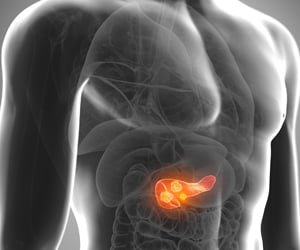
Advaxis Announces Phase 2 Clinical Trial for Anal Cancer Treatment
Advaxis announces the first stage of phase 2 clinical trial (dosing requirement) in fawcett study for axalimogene filolisbac (AXAL) used in anal cancer treatment
Advaxis announces the first stage of phase 2 clinical trial (dosing requirement) in fawcett study for axalimogene filolisbac (AXAL) used in anal cancer treatment
The results suggest that epigenetic testing may be an accurate and thorough method to indicate whether a patient's lesions are destined to progress to anal cancer. This could reduce the costs, pain and anxiety from other methods of diagnosis, and minimise over-treatment of low risk people.

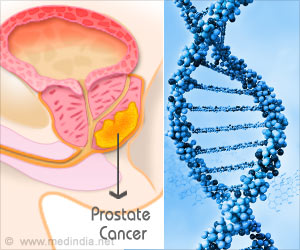
GSK�s Cervarix may Reduce Risk of Anal Cancer in Women
A new study suggests that the GlaxoSmithKline’s vaccine for cervical cancer is also effective in reducing the risk of anal cancer among women.
A new study suggests that the GlaxoSmithKline’s vaccine for cervical cancer is also effective in reducing the risk of anal cancer among women.

HIV Tied To Rise in Anal Cancer in US Males
HIV has been blamed for the surge in anal cancer incidence in US males between 1980 and 2005, but not in females, according to a study.
HIV has been blamed for the surge in anal cancer incidence in US males between 1980 and 2005, but not in females, according to a study.
 Email
Email